
A little preparation, a better first session
What to check before joining an activity
A few questions can help you choose an activity that suits you or your family.

Last reviewed
Start here
Checks for everyone
- Who runs it?Confirm the organiser’s name, who will lead your session and how to contact them. Ask for references if useful. Check their relevant experience and safety practices whether they are an individual, club or registered business.
- Is it suitable?Check the age range, experience and fitness expectations, group size, equipment and any accessibility needs. Ask whether you can observe or try a session.
- What happens in an emergency?Ask about first aid, emergency procedures, weather cancellations and the supervision provided.
- What insurance applies?Ask about public liability insurance and, where relevant, professional indemnity or participant injury cover. Check what is included and excluded, including whether your own injuries would be covered.
- What are you agreeing to?Confirm the venue, timetable, total price, ongoing commitments, refund terms and cancellation policy before paying.
Meeting someone new
Personal safety at your first session
Women may have particular concerns about meeting an unfamiliar organiser or attending alone. These precautions can help anyone plan a first session:
- Choose a public meeting place: meet where other people are around, such as a staffed sports centre or a busy public space, preferably in daylight. For a first meeting, avoid isolated locations or private homes. Ask about a group session or bringing a friend if you prefer.
- Share your plans: tell someone you trust who you are meeting, where you will be and when you expect to finish. Agree on a check-in afterwards and let them know if plans change.
- Plan your way home: arrange transport you can use independently, keep your phone charged and know how to leave. For walks, runs or rides, confirm the route, finish point and whether you can leave early.
- Set your boundaries: ask how hands-on coaching, changing facilities and photography are handled. You can decline touch, photos or sharing personal information that is not needed for the activity.
- Pause if plans change: you can decline an unexpected move to a secluded location, unwanted attention or pressure to stay. Leave or seek help if you feel uncomfortable; you do not need to justify ending a session.
Ask how the organiser handles harassment and who you can contact with a concern. You can also ask about women-only sessions or a woman instructor if that would help you feel comfortable.
These steps cannot guarantee safety. Harassment and abuse are never the fault of the person affected.
More guidance: South Australia Police: staying safe when out and about and Victoria Police: staying safe in public.
Know who is leading
Qualifications and certifications
The relevant credentials depend on the role and activity. A casual social group may have different arrangements from paid coaching or a clinical exercise service. Ask what qualifications the leader holds, who issued them and whether they are current and relevant to your needs.
- Sports coaches: ask about accreditation through the sport’s governing body and confirm claimed accreditation with that body.
- Fitness professionals: ask about relevant training and current first aid and CPR. If they claim AUSactive registration, check through AUSactive.
- Exercise physiologists: check claimed accreditation with Exercise & Sports Science Australia (ESSA).
- Registered health practitioners: for professions such as physiotherapy, check current registration and any conditions through Ahpra’s practitioner register. Not every fitness or exercise profession is regulated by Ahpra.
Ask the issuing organisation how to confirm a credential, and consider it alongside the leader’s experience, the session’s suitability and everyday safety practices.

For parents and carers
Activities for children
- Verify required screening: ask which adults will work with your child and request the details needed to verify their current Working with Children Check or equivalent through the relevant government screening service. Follow its verification process rather than relying only on a card, screenshot or the organiser’s assurance.
- Check local requirements: names, eligibility, exemptions and verification processes vary by state or territory. Queensland uses Blue Cards; other jurisdictions may use Working with Vulnerable People registration. If an exemption is claimed, check it with the relevant authority.
- Ask about everyday safeguards: supervision, one-to-one coaching, toilets and changing rooms, authorised collection, transport and whether parents can watch.
- Check communication and consent: ask how parents are included in messages, how photos are handled and how you or your child can report a concern.
A police check does not replace a required Working with Children Check. Screening is only one safeguard; it does not guarantee a child-safe environment.
Start with the Australian Institute of Family Studies guide to screening checks and state/territory services. For questions to ask an organiser, use Sport Integrity Australia’s guidance for parents and carers or the Victorian Government’s guidance, including self-employed providers.
Find your fit
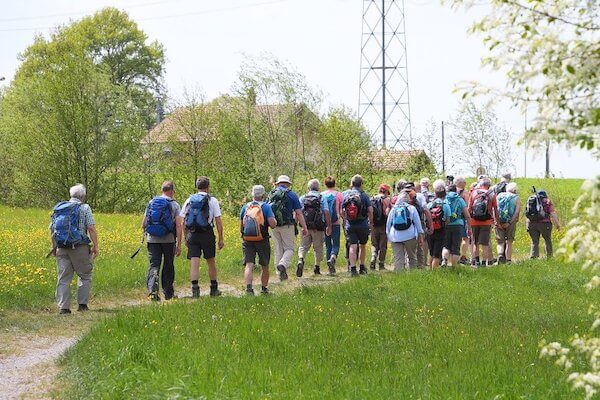
Older adults and extra support
Choose around your interests, abilities and support needs. Ask about:
- Session pace, rest breaks and options to adapt movements or exercises.
- The leader’s experience supporting people with similar mobility, balance or health needs.
- Step-free access, accessible toilets, seating, transport and whether a support person can attend.
- How assistance and emergencies are handled, and whether the activity includes the support you need.
Start gradually. If you are unsure how an injury, health condition or recent treatment affects your choice, ask your health professional about suitable activities. See Healthdirect’s guidance on getting active as you get older.
If something concerns you
Ask for clarification and take time to decide. If answers are unclear, credentials cannot be confirmed or you feel pressured, pause the booking and consider another activity.
Report an inaccurate or concerning listing to KeepActive, including the listing link and what concerned you. Do not send identity documents, children’s personal details or screening numbers to KeepActive; verify credentials through the appropriate authority. For conduct concerns, contact the organiser’s safeguarding contact, relevant sporting body or appropriate authority. If anyone is in immediate danger, call 000.
This guide provides general information. Requirements vary by location, role and activity; check current guidance with the relevant regulator or professional body.