10 Ways to Find Your Motivation

Sherol S - profile photo
By - Published
10 Ways to Find Your Motivation

Motivation seems like a fleeting phenomenon. You have it one moment and the next, it’s gone. Perhaps you’ve experienced this before: You get up ready to tackle your day and complete your work with ease; then five minutes later you find yourself unable to start on anything. Motivation is a curious beast that comes in waves. But where does it go when you need it most? When we experience these ups and downs, finding our motivation again becomes an important task. Because without it, we’ll just keep spinning our wheels until we figure out a way to get going again. Fortunately, there are ways to refocus your efforts when you feel stuck in place. Here are ten tips for finding your motivation again so that you can successfully achieve your goals once more:

Be realistic about your current situation

You may feel that no matter how hard you try, you just can’t find the motivation to get moving on your goals. You may even feel like you’ve tried everything possible and nothing has worked, leaving you feeling hopeless. We sometimes get stuck in the “what if” scenarios and lose sight of the present scenario. Before you can find your motivation again, you need to be realistic about your current situation. What has changed since you last felt motivated? Are there new obstacles in your way? Have your goals changed since then? If you can identify any underlying issues, you have a better chance of finding a solution. Sometimes, there are no easy answers to our problems. In those instances, it’s important to remind yourself that you’re doing the best you can with what you have. Being realistic is the first step to finding your motivation again.

Determine why you’re unmotivated

One of the best ways to find your motivation again is to examine why you’re unmotivated in the first place. You may be feeling unmotivated because you don’t see the point in what you’re doing. Maybe you’re unsure how your goals fit into your overall plans for the future. Or it could be that you’re stressed or overwhelmed about your work and responsibilities. Figuring out why you’re unmotivated can help you determine the best way to proceed. If you find that you’re unmotivated because you don’t see the point in what you’re doing, you may need to change your approach. If you’re unsure how your goals fit into your overall plans for the future, you may need to spend time reflecting on that. If you’re stressed or overwhelmed about your work and responsibilities, you may need help finding ways to manage your time better so you can find time for your goals.

Find what makes you feel good

We all have things we enjoy doing. Finding hobbies, engaging in activities, and spending time with people we love can help us find our motivation again in a very real way. The act of engaging in a pleasurable activity can help distract you from the stressors of your daily life and put you back in the present moment. Engaging in hobbies and spending time with people you love can also help you find your motivation again by making you feel good about yourself. You may also want to consider connecting with others as a means of finding your motivation again. Joining a community of like-minded individuals may help you find the inspiration you need to proceed with your goals. One rule of thumb is to choose a group that has the potential to become something more than just a social circle. You want to look for connections that can help you achieve your goals.

For physical activity groups (like walking, hiking or sports), try our website - KeepActive.

Set short-term achievable goals

You may have lofty goals that you’re trying to achieve right now. But if you’re unmotivated, you may need to scale back your efforts to find success. Set short-term achievable goals you can complete while you’re still feeling unmotivated. This can help you get back on track before you know it. Short-term goals can be anything from checking off an item on your to-do list to reaching out to a friend during a difficult time. It’s important to remember that the goal here isn’t necessarily to complete a task but rather to find some motivation within the process. Short-term goals can help you find your motivation again and refocus your efforts. They can give you the momentum you need to reach your long-term goals.

Talk to friends and family who support you

Sometimes, we need a new perspective on our current situation. You may find that you’re overwhelmed or stressed about a particular detail of your goals and feel like you’re unable to move past it. Talking to friends and family who support you can help you gain a new perspective on the situation. They may offer insight that you may have been missing or suggest strategies that you hadn’t considered before. You may even find that friends and family have faced similar issues and overcome them, providing you with an example of how to proceed. Talking to those who care about you can help you find your motivation again. They can provide encouragement and support when you need it most. And sometimes, all it takes is a new perspective on the problem to find your motivation again.

Don’t be afraid to change up your routine

Sometimes, we find ourselves unmotivated because of a routine that doesn’t work for us anymore. Perhaps you have a hectic schedule that leaves you stressed out and unable to focus on your goals. Maybe you have a daily routine that doesn’t leave you with enough time to accomplish what you need to complete. In these instances, you may need to make some adjustments to your routine to find your motivation again. It may be as simple as rearranging your schedule or perhaps taking a break from a task that’s too overwhelming. Changing up your routine can help you find your motivation again by giving you the space you need to refocus your efforts. It may also help you recognize the areas where you need to make adjustments so that you can proceed again with ease.

Try exercise as a means of motivation

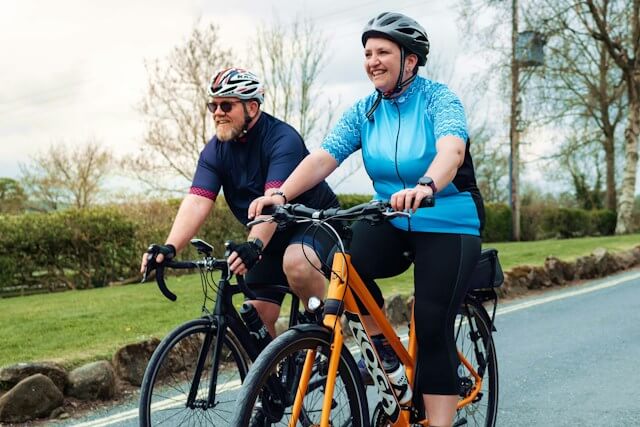
In some cases, getting your blood pumping may be just what you need to find your motivation again. Studies have shown that exercise can reduce stress, increase your focus, and improve your mood. It can help you find your motivation again by helping you get unstuck and refocus your efforts on your goals. Exercise can be as simple as taking a walk outside or doing some yoga poses. You can even try dancing as a way to find your motivation again. It can be helpful to choose an activity that incorporates rhythm and movement, as these activities can help you get into a flow state where you feel like time has passed without you even noticing.

Conclusion

Finding your motivation again isn’t always easy. But it’s always worth it to keep pursuing your goals. The key is to be patient and flexible when you’re feeling unmotivated and know that it’s normal to feel this way sometimes. Stay positive, take care of yourself, and know that you’re capable of achieving anything you set your mind to.

Suggested articles

The Resolution Trap: Why ‘All-or-Nothing’ is the Enemy of Consistency

The Resolution Trap: Why ‘All-or-Nothing’ is the Enemy of Consistency

1 day ago

The "New Year, New Me" energy is a powerful motivator, but it often comes with a hidden trap: the all-or-nothing mindset. Many of us start January with rigid fitness resolutions, believing that if we can't commit to a full hour at the gym or a high-intensity session, it’s not worth doing at all. However, groundbreaking research reveals that this psychological rigidity is exactly why most resolutions fail by February. To make 2026 the year your fitness goals actually stick, you need to swap "perfection" for "flexibility." From embracing micro-workouts to finding accountability in local community sports groups, learn how to reframe your thinking and stay active for the long haul—even when life gets in the way.

More Than Just a Walk: How Outdoor Groups Build Community for CALD Women

More Than Just a Walk: How Outdoor Groups Build Community for CALD Women

6 days ago

Beyond the physical benefits of exercise, getting outdoors provides a vital pathway for social connection and cultural exchange. Drawing on the 2025 SAFE research by RMIT University, we explore how community-led outdoor groups are helping women from culturally and linguistically diverse (CALD) backgrounds overcome barriers to participation. From reducing isolation to building leadership skills, discover how inclusive sports and nature-based activities are redefining what it means to belong in the Australian outdoors and how local clubs can create more welcoming spaces for everyone.

Keeping Teen Girls in the Game: Is Australia Facing a ‘Grand Décrochage’?

Keeping Teen Girls in the Game: Is Australia Facing a ‘Grand Décrochage’?

1 week ago

A major study from France has highlighted a concerning phenomenon known as the "grand décrochage"—the great drop-out of teenage girls from organised sport. As the pressure of exams, social media, and body image mounts, many girls are hanging up their boots before they even reach adulthood. But is this just a European trend, or is the same thing happening in our local communities?

Dive into Summer: Score Free Pool Entry with the Banana Swim Pass

Dive into Summer: Score Free Pool Entry with the Banana Swim Pass

2 weeks ago

Looking for a way to beat the summer heat without spending a cent? This Wednesday, 21 January, your morning snack becomes your ticket to the pool. Australian Bananas has teamed up with Olympic champion Ariarne Titmus for the "Banana Swim Pass"—a nationwide event where a single banana gets you free entry to over 70 aquatic centres across Australia. Whether you’re planning a fun family day out during the school holidays or looking to squeeze in some laps for your fitness goals, we’ve got all the details on how it works and where you can dive in.

From Team Sports to Pickleball: How Our Relationship with Sport Changes Over a Lifetime

From Team Sports to Pickleball: How Our Relationship with Sport Changes Over a Lifetime

1 month ago

Sport in Australia is constantly evolving, and the way we stay active looks different at every stage of life. From childhood swimming lessons to the rise of casual fitness and social sports, new data from the latest AusPlay “Lifelong Involvement in Sport” report highlights how our habits, motivations and barriers change over time. The findings reveal why participation peaks in primary school, why so many teens step away from competitive sport, and how adults increasingly turn to flexible options like running, gym workouts and emerging sports such as pickleball.

Looking to get active?

Here is a few options to explore: