
How to Improve Your Energy Levels

Kunal Kalra - profile photo
By - Published
How to Improve Your Energy Levels

There are many ups and downs in a working day. Some days you’ll be more productive than others, some days you might feel less energetic than usual and other days you may struggle with motivation. These little dips in energy levels can have a big impact on your performance during the working day. They might make it harder to concentrate, decrease your motivation or cause you to make more mistakes. However, these dips don’t have to be permanent. There are ways that you can improve your energy levels so they no longer fluctuate so much during the day. Even if it feels like there isn’t much you can do right now, by making small changes to how you work and the way that you look after yourself throughout the day, there are lots of things that you can do help increase your energy levels when they dip.

Make your workspace more comfortable

Your desk and chair may not be comfortable, meaning that you’re not getting the full health benefits of the time you spend at your desk. If you don’t have the right posture when you sit down, this can make your muscles tense, which can lead to you feeling more tired and less energized. The same thing can happen if your chair isn’t comfortable. You can also think about the lighting in your office. This can influence your energy levels, so make sure you have enough light to avoid feeling too tired. Another important aspect to consider is the sound in your space. Do you have colleagues or neighbors that you can hear from your space? If so, you might benefit from some noise-cancelling headphones. These can help to reduce other noise while also improving your concentration. If you have to work at a computer, consider investing in an ergonomic mouse and keyboard that supports your body in a better way.

Take short breaks

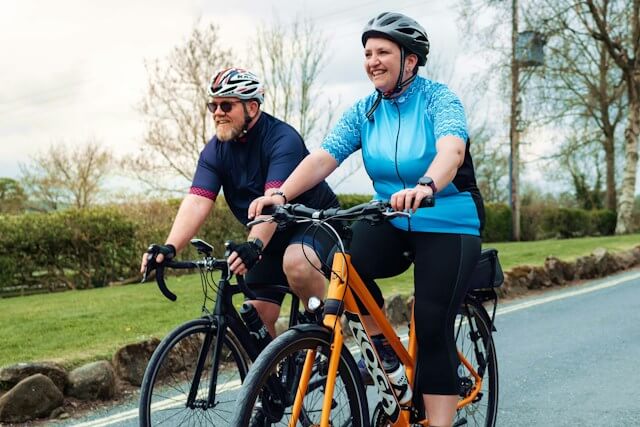
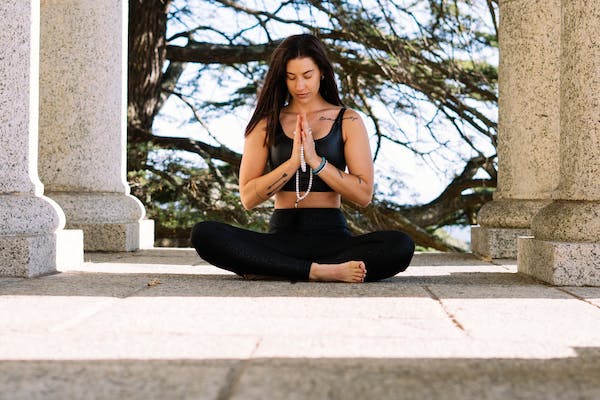
Regularly taking a break from work every few hours is a really effective way of boosting your energy levels. This is because it allows you to switch off from what you’re doing, take some time out and give your mind and body a break. It might not sound like the most efficient way to work, but taking regular breaks can actually improve your performance. Taking regular breaks throughout the day can also help you to avoid burnout. This is when you feel really stressed and overworked, but you can’t stop because you feel like you have to keep going. It can also help you to be more creative, focused and productive throughout the day, which is great for your work performance. You can take short breaks from work by taking a walk, going for a coffee or doing a few minutes of yoga or meditation. An outdoor walk can be a great way to break the routine, get your daily Vitamin-D intake and increase levels of serotonin. Serotonin is shown to give you more energy and help you feel more calm, positive, and focused.

Exercise for 15 minutes

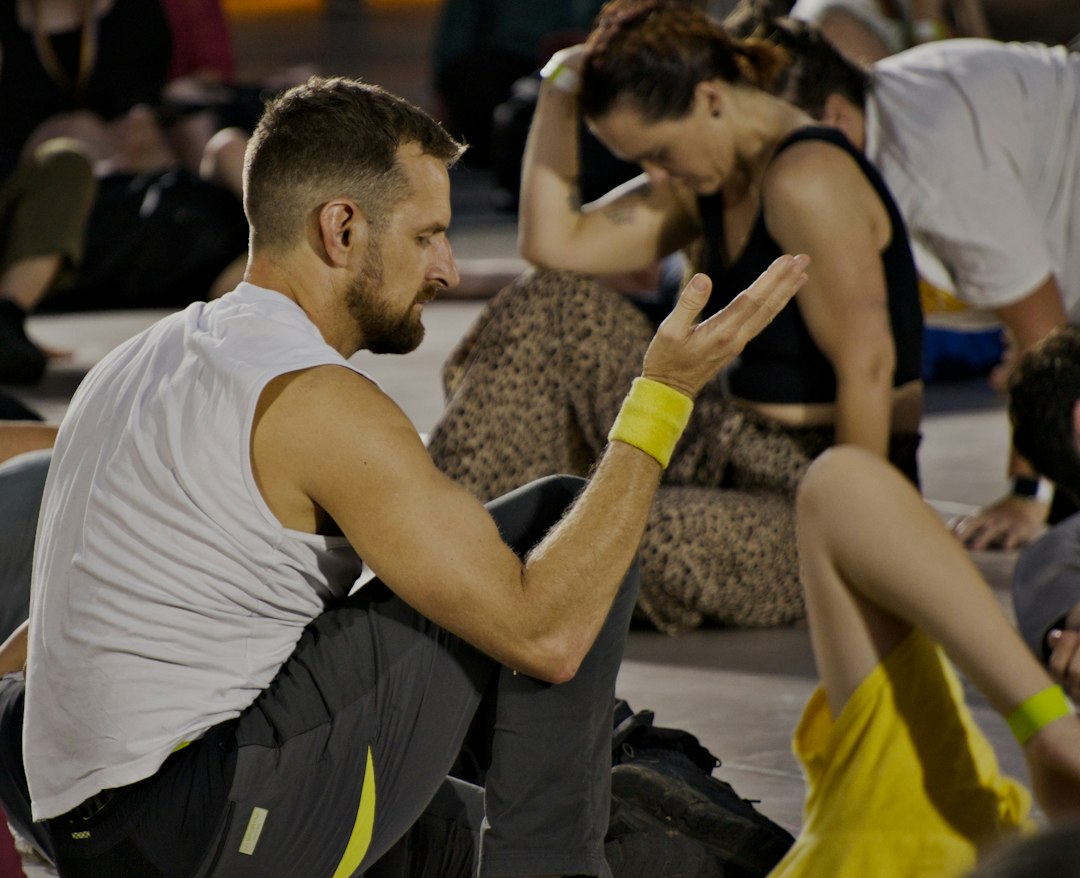
If you’re feeling less than energized, try getting some exercise and see if it helps you to feel more energized. Exercise can help you to feel more energized as it releases endorphins, which are chemicals that make you feel happier and can reduce feelings of anxiety. Exercise can be really helpful in boosting your energy levels, especially if you’re not in the best condition or you’ve been sitting down for a few hours. If you have a really busy day, you might find it difficult to fit in a full workout. In this case, it might make more sense to have a shorter workout session instead. This is great if you have a really busy day and don’t have time to exercise for a full hour. A 15-minute workout session can give you the same benefits as a full workout session, if not more, so it can be a great way to boost your energy levels if you’re short on time.

Eat a healthy breakfast

A healthy breakfast is one of the best ways to boost your energy levels for the day. This is because breakfast helps to regulate blood sugar, which can help to avoid energy lows throughout the day. Breakfast is also an important meal for your brain, so eating a healthy breakfast can help to improve your mental clarity and focus throughout the day. It’s easy to get into the habit of eating unhealthy breakfasts.

Be aware of your posture

It’s important to be aware of your posture throughout the day to avoid feeling tired. To improve your posture, you can do things like stretch regularly, take breaks when you need to and make sure that your work environment is ergonomic.

Improve your sleep

Lack of sleep can be the reason why you may feel tired and low on energy. Getting enough sleep and establishing a sleep routine are important to ensure your body gets enough rest to recover your energy levels. Read this blog article to help you improve your sleep.

Don’t forget to breathe

Breathing is a natural way to regulate your energy levels and can help you to feel less tired. If you feel like you don’t have enough energy to get through the day, try taking five minutes out to practice mindful breathing. This is a really effective way to boost your energy levels and make you feel more alert and focused.

Conclusion

Having low energy levels is a very common problem and many people feel this way at some point during the year. It’s important to be able to recognize the signs of low energy and take steps to improve your energy levels as quickly as possible, before it becomes a bigger problem. There are lots of things that you can do to help increase your energy levels, including making your workspace more comfortable, taking breaks during the day, exercising for 15 minutes, eating a healthy breakfast and being aware of your posture.

Suggested articles

Get Active for Less: The Changes Proposed to Make Fitness More Affordable in Australia

Get Active for Less: The Changes Proposed to Make Fitness More Affordable in Australia

2 weeks ago

With the cost of living biting hard, getting active can feel like the last thing you can afford. But a bold new proposal from Australia's peak fitness body could be about to change that — with $500 family vouchers for gyms and studios, tax-free gym perks through your employer, and even the ability to get a referral to a personal trainer from your GP. Here's what's on the table in the 2026 Federal Budget — and why it matters for every Australian trying to get moving.

Can an E-Bike Be the Key to Your Fitness Journey?

Can an E-Bike Be the Key to Your Fitness Journey?

3 weeks ago

If you’ve ever felt that traditional cycling was too demanding or that injuries were holding you back from staying active, you aren’t alone. A recent qualitative study on the NZ HIKO e-bike programme highlights how electric bikes are acting as a powerful "circuit breaker" for inactivity. By reducing the physical strain on joints and making hills manageable, e-bikes are helping people manage chronic conditions like Type 2 diabetes and arthritis while providing a significant boost to mental wellbeing. Discover how this "power-assisted" movement is making fitness more inclusive, social, and achievable for Australians of all fitness levels.

Stronger Together: Why Social Connection is the Secret Ingredient to Staying Active

Stronger Together: Why Social Connection is the Secret Ingredient to Staying Active

3 weeks ago

New research reveals that for older adults, physical health and social circles are two sides of the same coin—offering a powerful strategy to fight loneliness while staying fit. Recent findings suggest that treating strong social networks and physical activity as "inextricably linked" can dramatically improve well-being, yet nearly 57% of Australians over 65 still struggle to meet daily activity guidelines. From the motivating power of a local walking group to the "social glue" of community events, discover why finding your community is the most effective medicine for a healthier, more connected lifestyle.

The Resolution Trap: Why ‘All-or-Nothing’ is the Enemy of Consistency

The Resolution Trap: Why ‘All-or-Nothing’ is the Enemy of Consistency

1 month ago

The "New Year, New Me" energy is a powerful motivator, but it often comes with a hidden trap: the all-or-nothing mindset. Many of us start January with rigid fitness resolutions, believing that if we can't commit to a full hour at the gym or a high-intensity session, it’s not worth doing at all. However, groundbreaking research reveals that this psychological rigidity is exactly why most resolutions fail by February. To make 2026 the year your fitness goals actually stick, you need to swap "perfection" for "flexibility." From embracing micro-workouts to finding accountability in local community sports groups, learn how to reframe your thinking and stay active for the long haul—even when life gets in the way.

More Than Just a Walk: How Outdoor Groups Build Community for CALD Women

More Than Just a Walk: How Outdoor Groups Build Community for CALD Women

1 month ago

Beyond the physical benefits of exercise, getting outdoors provides a vital pathway for social connection and cultural exchange. Drawing on the 2025 SAFE research by RMIT University, we explore how community-led outdoor groups are helping women from culturally and linguistically diverse (CALD) backgrounds overcome barriers to participation. From reducing isolation to building leadership skills, discover how inclusive sports and nature-based activities are redefining what it means to belong in the Australian outdoors and how local clubs can create more welcoming spaces for everyone.

Looking to get active?

Here is a few options to explore: