

Children can move less during the summer holidays. One Adelaide study followed 133 children with an average age of 9.4 years. During the summer break, they did 12 fewer minutes of moderate-to-vigorous activity each day. They also recorded 27 extra sedentary minutes each day.
The answer does not need to be a strict workout plan. Give each day one active anchor, let children help choose it, and change the plan when the heat rises.
Use one active anchor each day
Australian federal guidance recommends at least 60 minutes of moderate-to-vigorous activity each day for children aged 5 to 17. The 60 minutes can be split into shorter sessions. The guidance also recommends several hours of light activity and breaking up long periods of sitting.
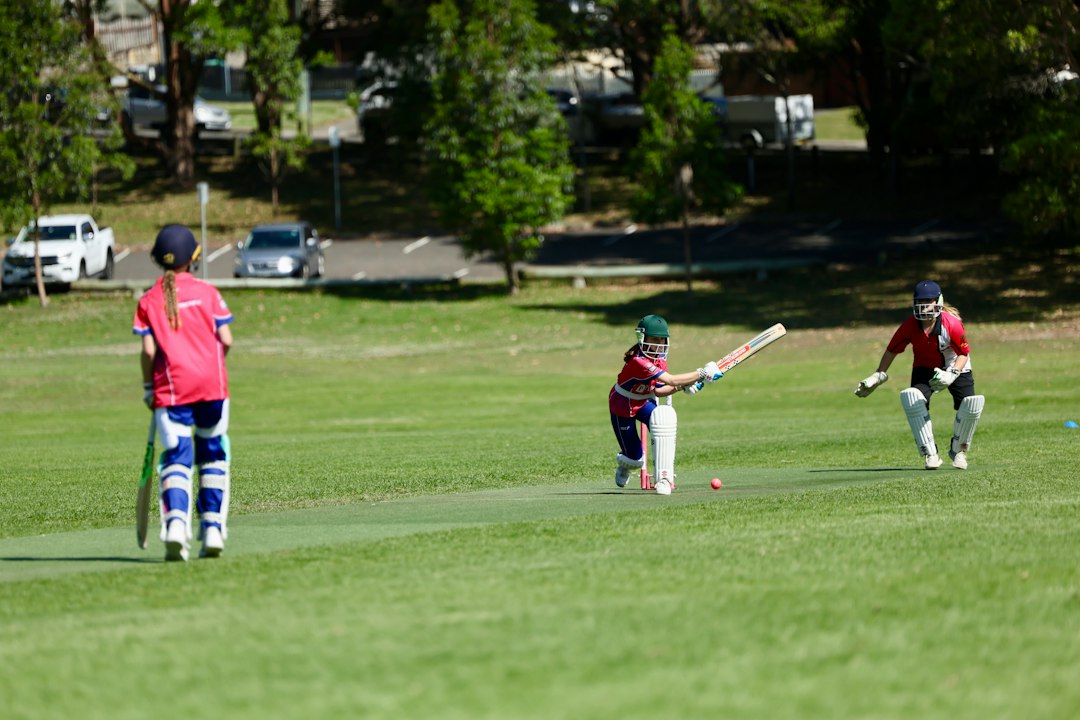
An active anchor gives the day a simple starting point. It might be a morning bike ride, an hour at the pool, backyard cricket, dancing indoors or a walk after dinner. Short bursts of active play can fill the rest of the day without turning the holiday into a training programme.
Let children choose the activity
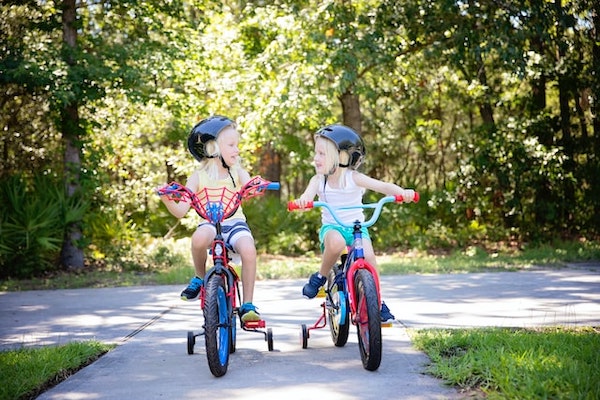
The Australian Sports Commission's parent guide recommends letting children choose, trying a range of activities and asking what they enjoyed. Ask each child to name two things they would like to do that week. Mix activities that involve running, balancing, throwing, catching or kicking.
For a scheduled outing, check KeepActive's family events before looking at council pools, libraries and local clubs. Confirm the age range, cost, session time and booking rules with the organiser.
You can also swap a passive playdate for one based around movement. Let the children choose the game and change it when their interest drops.
Move outdoor play away from extreme heat
During extreme heat, NSW Health's heat advice says young children should stay out of the heat and reduce activity. It recommends outdoor play early in the morning, carrying water outside and offering children extra water.
Sunshine Coast teacher and forest-school co-founder Nicki Farrell uses a split-day plan with her family. She packs an early breakfast picnic, stays home during the hottest part, then goes out again near dusk. Her routine is one practical example, not a rule for every family.
On very hot, wet or smoky days, move the active anchor indoors. Try a dance session, a simple obstacle course, balloon volleyball or a game of Simon Says. Clear the floor first and choose movements that suit the child's age and ability.

Make movement social rather than formal
Children do not need a class or camp every day. A cousin, neighbour or friend can turn a park visit into a game. Adults can join in for a short round of tag, cricket, basketball or frisbee.
Keep the rules light. Let children invent a course, set the boundaries or keep score. If one game stops working, switch activities instead of stretching it out.

Skip endless exercise challenges
A holiday challenge should have a clear finish and leave room for choice. Try a five-day activity bingo card with squares for riding, swimming, dancing, walking and an active game. Children can pick the order and repeat a favourite square.
Avoid challenges that add more push-ups, squats or plank time every day without an end point. They can turn movement into a test instead of play. Adapt activities for any injury, disability or medical condition, and seek qualified advice when needed.
Keep the ideas children want to repeat
At the end of the week, ask which activities should return and what each child enjoyed. This follows the Australian Sports Commission's advice to help children reflect on activity. Give the popular choices a place in the next week's plan.
The routine is working when active choices fit the weather, budget and energy available. It does not need to look the same every day.