
Disclaimer: The information in this article is general in nature and is not intended to be a substitute for professional medical advice, diagnosis, or treatment. Always seek the advice of your doctor or other qualified health professional before starting any exercise programme or with any questions you may have regarding a medical condition.
A first snow trip is easier when you decide what the day is for. Snow play and tobogganing need less equipment than skiing or snowboarding. Lessons, lift passes and gear hire add more planning. Choose the activity first, then check the resort's bookings, road conditions and snow-chain rules.
Decide what your first day is for
You do not need to ski on your first visit. A snow-play day lets you experience the cold, practise dressing for it and learn how long the trip takes. Tobogganing may also suit families who are not ready to buy lift passes and book lessons.
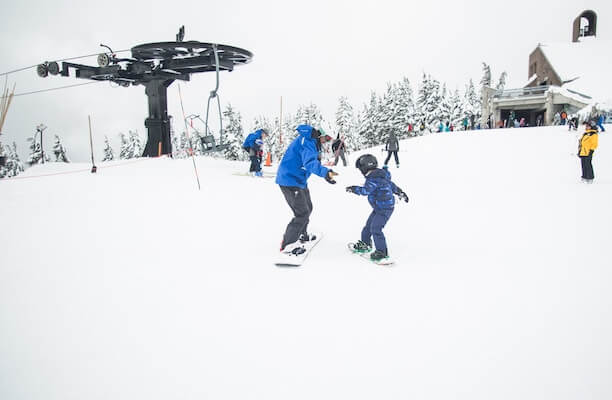
If skiing or snowboarding is the main goal, book a beginner lesson. It gives you a set starting point and helps you learn how to stop, turn and use the lift safely.
Tom Bauer's family visits to Mt Baw Baw began casually more than 25 years ago. They later joined Skali Ski Club, where he became president. Their experience shows that a first visit can be simple. It does not need to settle whether snow sports will become a long-term hobby.
Book the main costs before you travel
Check the resort's own website before paying for accommodation. Look for entry or parking fees, lift passes, lessons, equipment hire and clothing hire. Confirm whether each item must be collected at a set time or place.
Hiring is sensible when you do not know whether you will return. For skiing or snowboarding, ask the hire shop whether the package covers the board or skis, boots and helmet.
Book the essential items first. Leave optional activities until you understand the weather and your energy on the day.
Pack for cold, wet and bright conditions
Use layers rather than one heavy item. Start with a thermal base layer, add a warm middle layer, then wear a waterproof jacket and pants. Pack waterproof gloves, a beanie, warm socks and sturdy waterproof boots. Bring spare socks and gloves if you expect snow play.
Pack sunglasses or goggles as well. Snow reflects ultraviolet radiation, so check the UV forecast before leaving. ARPANSA advises using sun protection when the UV Index is 3 or higher, including sunscreen on uncovered skin.
Keep a dry change of clothes in the car. Victoria Police also recommends extra food and water, a torch, a first aid kit and a battery pack in case weather extends the trip.
Check the chain rules for your route
Snow-chain rules are not the same across Australia. Check the official road and resort advice for your exact route on the morning you travel.
In Victoria, all vehicles entering Falls Creek, Mt Baw Baw, Mt Buller, Mt Hotham and Mt Stirling must carry suitable diamond-pattern chains during the declared snow season. Lake Mountain's requirement is decided daily. The current chain rules also apply to four-wheel-drive and all-wheel-drive vehicles.
In Kosciuszko National Park, two-wheel-drive vehicles must carry chains on specified roads between the June and October long weekends. NSW National Parks recommends that four-wheel-drive and all-wheel-drive vehicles carry them too. Check the listed snow roads before travelling.
Hire the correct chains before climbing the mountain. Confirm that your vehicle can safely use them, and practise fitting them at home. Fit them only when signs, police or authorised staff direct you.
Drive for alpine conditions
Check the weather, road closures and parking status before leaving home. Check again before the return trip because alpine conditions can change quickly.
Use gentle acceleration and braking. Leave more space than usual, use low gears on descents and follow local speed instructions. If visibility becomes too poor, pull over only where it is safe.
Victoria Police's driving guidance also recommends checking tyres, the battery, heating and demisting before departure. Diesel drivers should check whether alpine diesel is needed for the route.
Use your beginner lesson well
Arrive early enough to collect equipment, check its fit and find the lesson meeting point.
Tell the instructor that it is your first session. Ask how to stop, where the beginner area ends and which lift you should use. If equipment hurts or feels loose, return to the hire desk before continuing.
Cold, fatigue and wet clothing can make the day harder. Take a warm indoor break before you become too tired to follow instructions. A short first session is enough if you can finish safely and still manage the trip home.