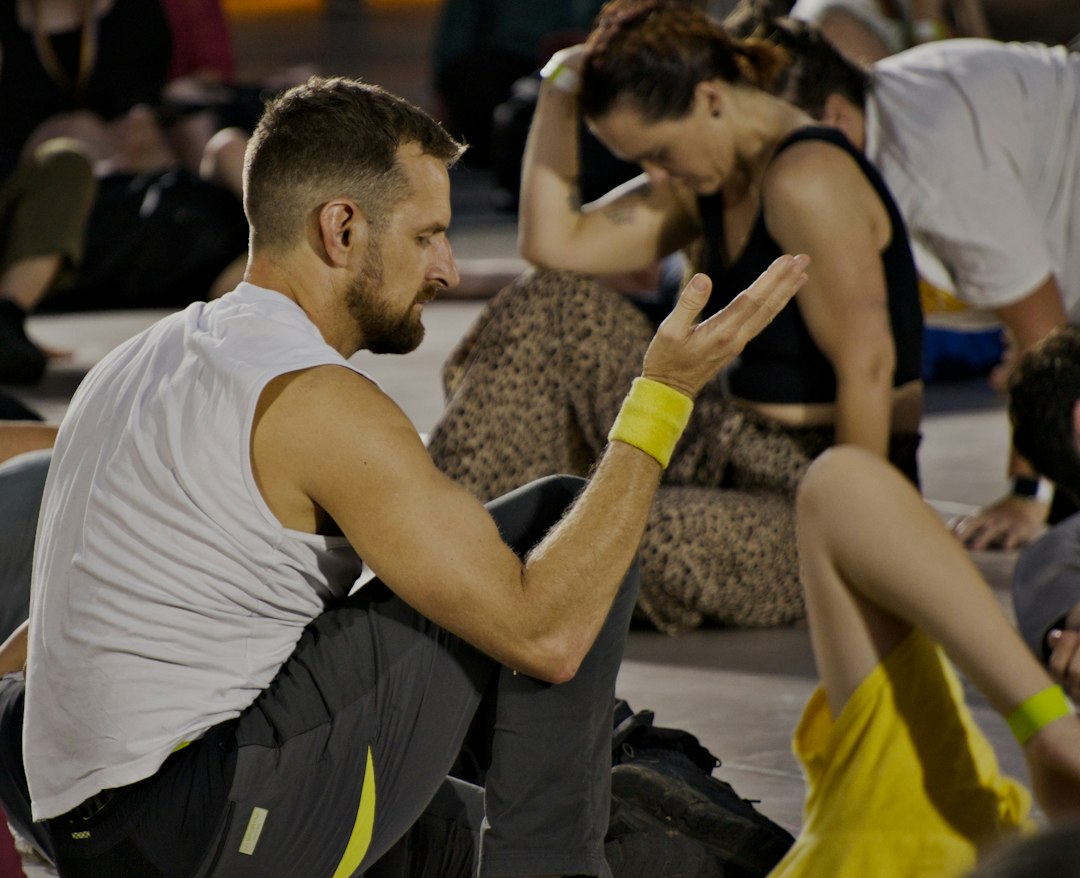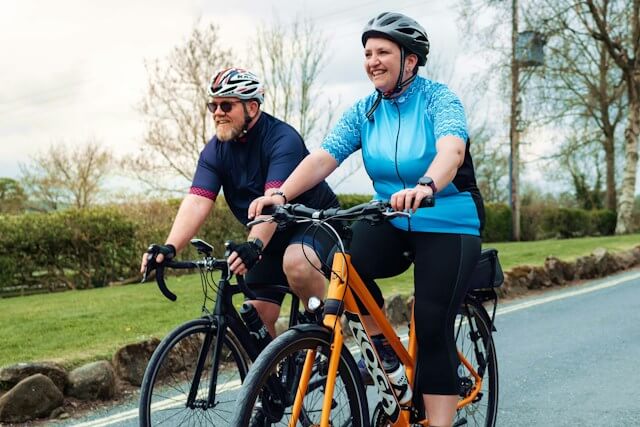


A successful activity group starts with one clear plan, not a large membership list. Choose one activity, define who it is for and make the first session easy to understand. You can improve the details after people have taken part.
Choose one activity and purpose
Start with an activity you enjoy and can organise regularly. A weekly walk or social tennis hit is easier to explain than several unrelated activities.
Write one sentence that states the group's purpose. It might help local parents meet through walks, give intermediate tennis players a regular hit or create a relaxed ride for people returning to cycling. This sentence will guide later choices about pace, location and membership.

Set the first session details
People should know what will happen before they respond. Publish the practical details in one place:
- the activity, date and start time
- the exact meeting point and expected finish time
- the pace or skill level
- what participants need to bring
- any cost and how it will be shared
- the cancellation rule and how changes will be announced
Pick a time and place you can maintain. If the organiser cannot attend regularly, the group will need another person who can lead sessions.
Check costs, safety and permissions
List every likely cost before collecting money. Explain whether people pay per visit or contribute to a shared booking.
Ask the venue or council which permits, insurance and safety rules apply. For groups involving children or vulnerable people, also check screening and child-safety requirements. Collect only the personal information you need and explain who can see it.
Invite the first members
Once the details are settled, write a short invitation with the activity, audience, place and time. Share the same invitation with friends, local community pages and suitable activity networks. Consistent wording prevents mixed expectations.
Invite a few suitable people directly instead of waiting for a public post. Tell them it is the first meeting and feedback is welcome.
Run a simple first session
Begin on time and follow the advertised plan. Afterwards, ask what would make the next session easier to attend. Change only the details that still fit the group's purpose and your availability.
A 2026 systematic review examined 21 studies of adult group fitness classes. Confidence in attending was the most consistent predictor of attendance. Group identity and some leader behaviours also showed favourable links, but the evidence was mixed and mostly observational. A friendly atmosphere helps, but clear and achievable sessions still matter.
Share jobs as the group grows
Do not wait until the organiser is exhausted before asking for help. A simple volunteer plan can name each task, who will do it and what support they need. For an informal group, that may mean sharing reminders, bookings, attendance and session leadership.
Jennelle McAppion began organising local walks for Canberra mothers in August 2014. By February 2016, the group had 4,800 members, more than 40 weekly events and over 50 volunteer facilitators. The story does not promise that every group will grow that large. It shows why a specific audience and shared jobs can support growth.
Build a schedule people can trust
Choose the next three dates before judging whether the idea works. Then review the group. Continue when the schedule is manageable, members understand the purpose and another person can help. Otherwise, reduce the frequency or pause.