
Search results for #fitness-training
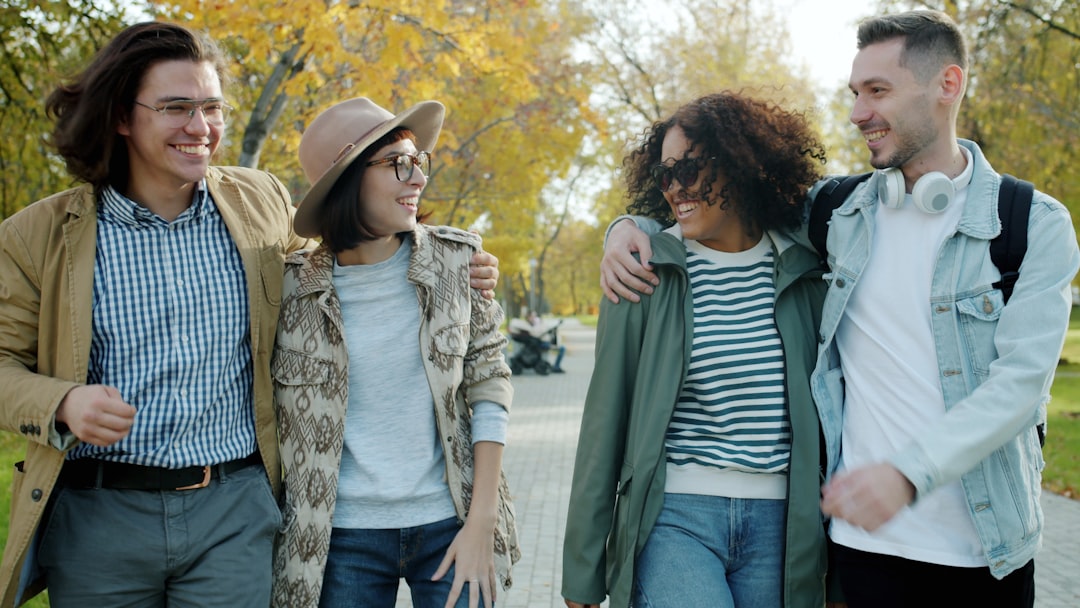
Australian Movement Guidelines for Adults Aged 18–64
Australia’s movement guidelines for adults aged 18–64 cover exercise, everyday movement, sitting and sleep. This guide explains what counts, how activities can meet more than one target, and how to check your day and week. It also looks at women’s life stages, including pregnancy and menopause, and what Australian midlife...
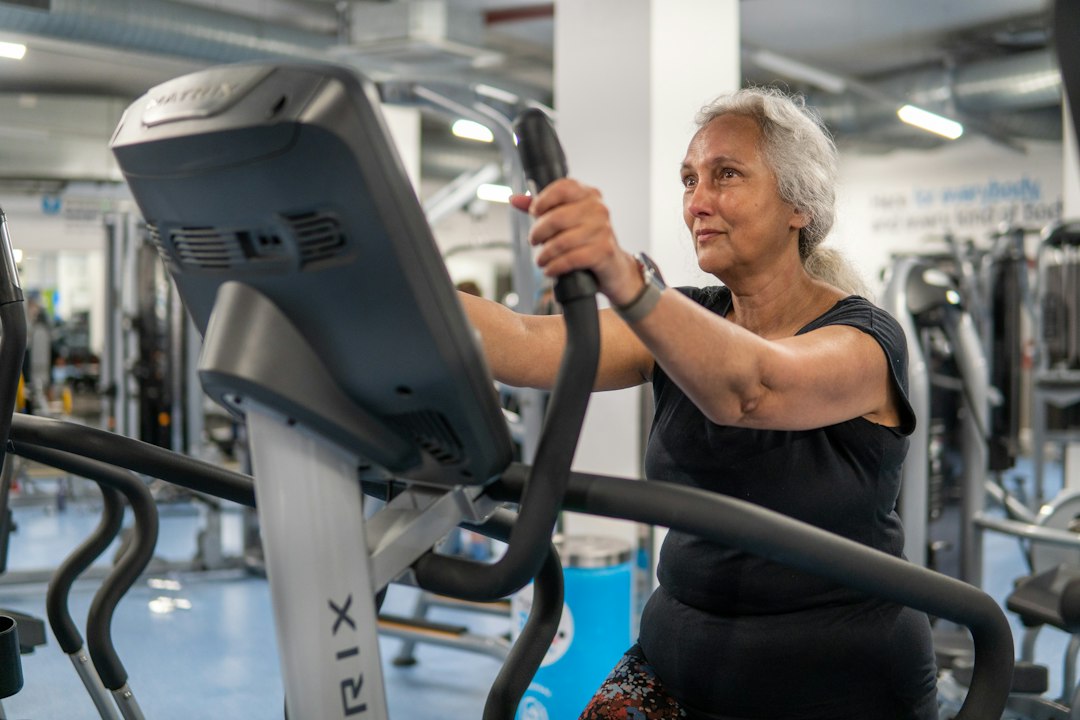
Exercise for Seniors: Australian Guidelines for Over-65s
How much exercise do seniors need, and does a daily walk cover it? Australia’s guidelines for adults aged 65 and over include moderate activity, strength, balance, light movement and sleep. This guide brings the targets together in a quick summary and reference table. It explains the research behind walking ability,...
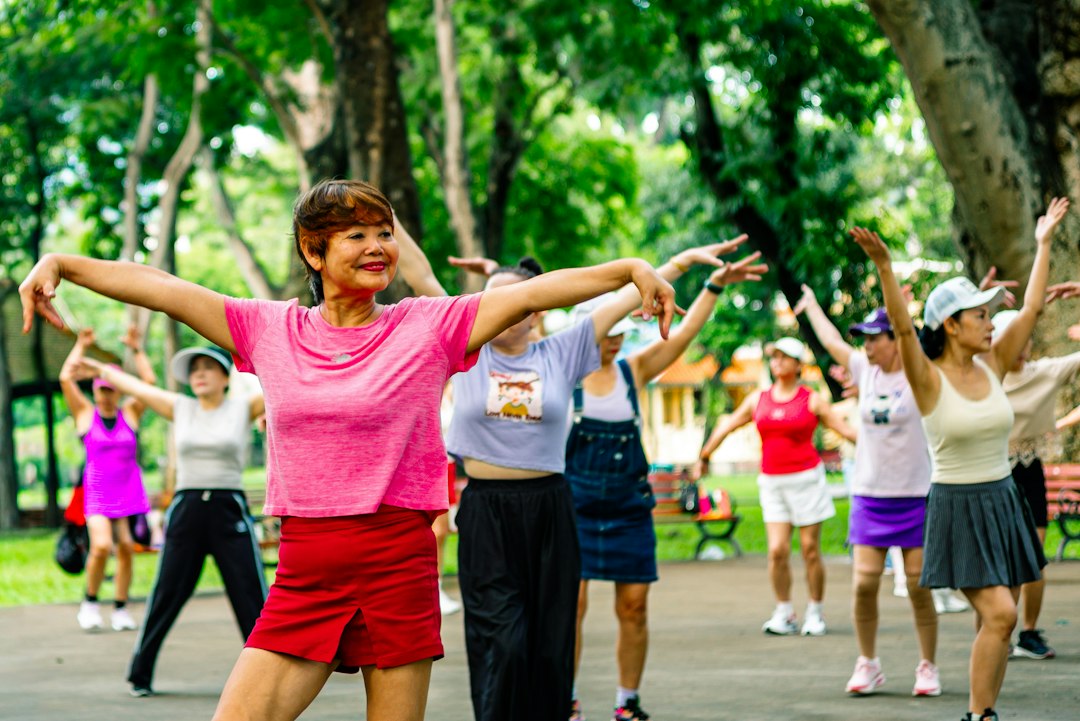
Menopause and Exercise: What Research Says About Mood
Physical activity may improve mood, depressive symptoms and quality of life during the menopause transition. Exercise trials found benefits, while a separate survey linked more frequent activity with fewer symptoms. This article explains what those findings could mean for you, what remains uncertain, and how to get help choosing suitable...
How rising costs is changing Australian fitness habits
New cost research suggests many Australian adults are changing how they exercise because of household pressure. This article explains what the figures say about gyms, studios, community sport and free activity. It also gives a simple way to compare the real monthly cost before joining, switching or stopping.
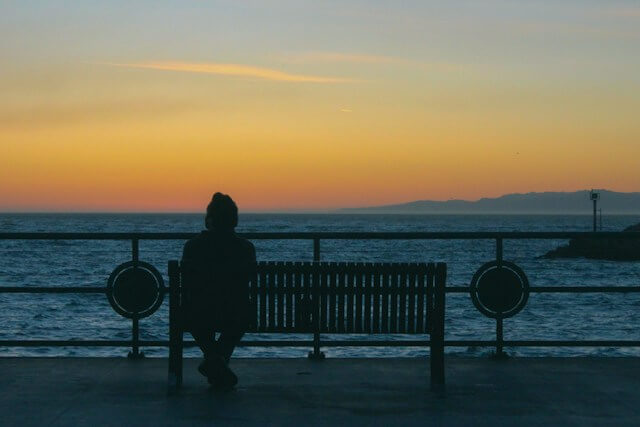
Loneliness in Young Australians: What Research Says
New Monash research found loneliness was linked to the biggest drop in health-related quality of life among Australians aged 15 to 24. The study separates loneliness from social isolation, which matters because a person can have people around them and still feel disconnected. This article explains the finding in plain...
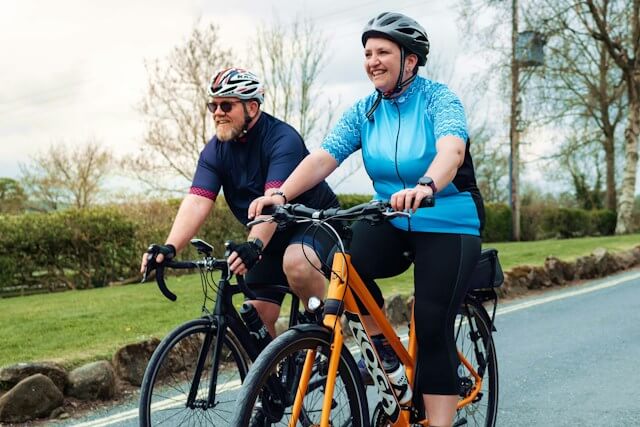
Victorian Seniors Week: Active Events to Try
Victorian Seniors Festival runs across October, with free and low-cost events led by the state government, councils and community groups. This guide points to active event ideas on KeepActive, including walking, golf, dance and gentle fitness sessions. It also links to council calendars in Melbourne, Whittlesea, Whitehorse, Monash, Merri-bek and...
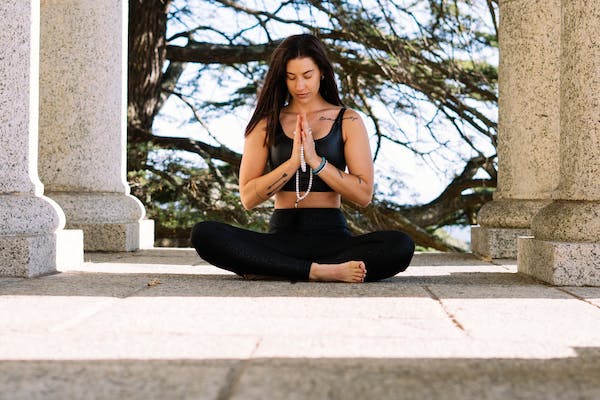
6 Free Meditation Apps to Try for Daily Mindfulness
A meditation app does not need a monthly subscription. These six apps offer free guided sessions, timers, beginner courses and mindfulness tools. Compare their free access and teaching styles, then read what research says about stress, sleep, compassion and chronic pain. The guide also explains how to begin with a...
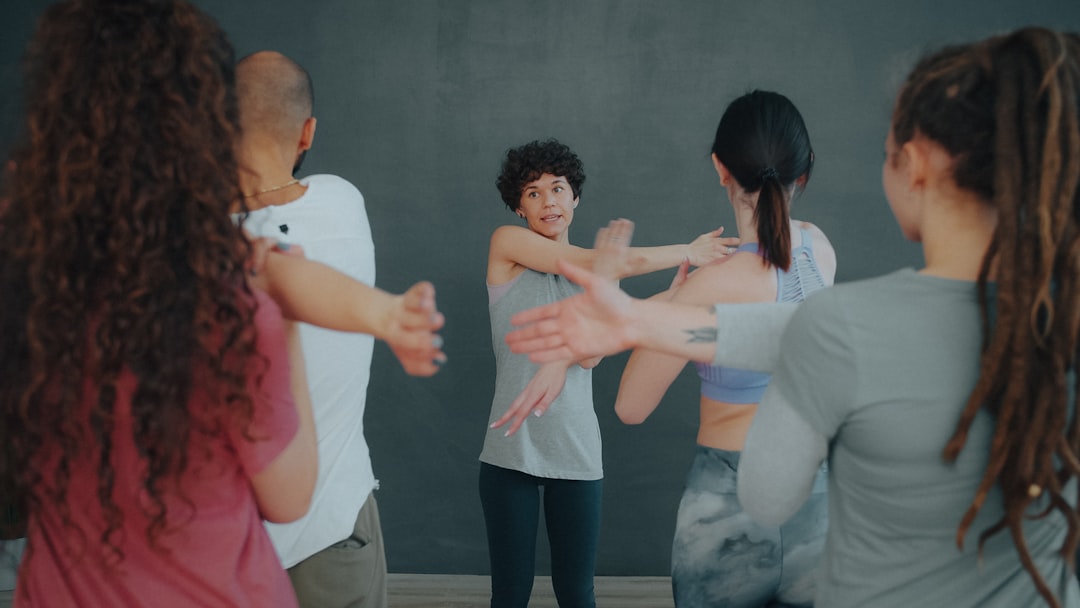
How Behavioural Science Helps You Choose the Right Gym
A gym can look impressive and still be hard to keep using. Behavioural research and Australian stories point to a simpler test: can you reach it easily, enjoy the session, ask for help and return after a break? Julie Dickson's experience and an Auslan-led Queensland gym show how support can...
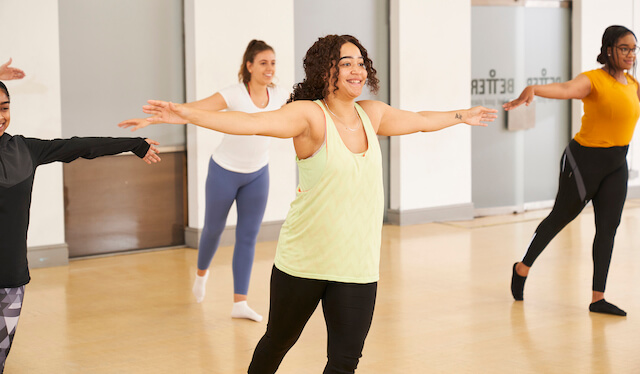
Move Well Brisbane: What the $5.6m Plan Adds
Gina used Brisbane's former Growing Older and Living
Dangerously (GOLD) activities program to try circuit training, canoeing and more. Rhonda attended council yoga for a year and looked forward to returning each week. Brisbane City Council is now spending $5.6 million on Move Well Brisbane, with more free and low-cost...
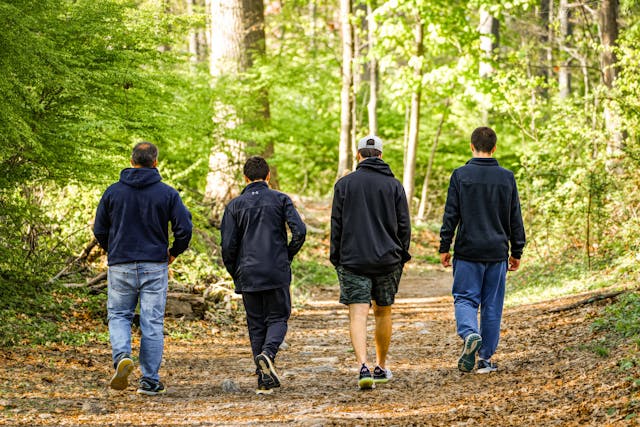
Do Virtual Walking Challenges Work—and How Do You Keep Going Afterwards?
Virtual walking challenges can help people move more while they are running. A large app study found participants averaged 23% more steps during competitions, although badges and points alone appear to make a smaller difference. Making your goal public can create accountability, Facebook groups can offer encouragement and fundraising for...