

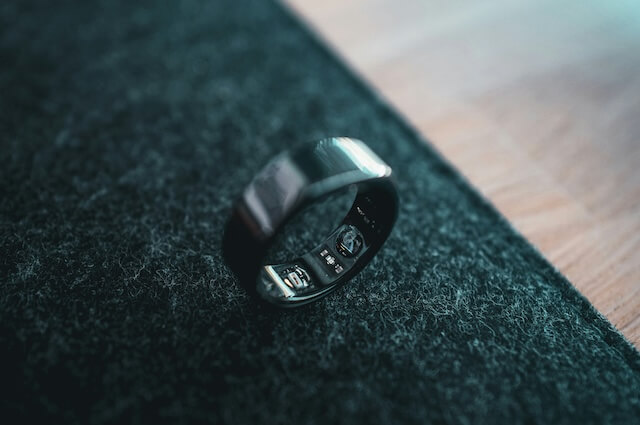
Are you looking for a way to enhance your fitness journey with minimal tech on your body? A smart ring might be just what you need! Smaller and more discreet than a smartwatch, smart rings combine advanced health tracking technology with a sleek, unobtrusive design. Let’s explore what a smart ring is, how it works, and why it could be a valuable companion on your path to fitness and well-being.
What is a Smart Ring?
A smart ring is a compact, wearable device that fits on your finger and offers health and wellness tracking capabilities similar to a smartwatch but in a smaller, more subtle form. Smart rings, like the Oura Ring or Samsung Galaxy Ring, use embedded sensors to monitor various health metrics, including heart rate, sleep patterns, and activity levels. The data collected syncs with a mobile app on your smartphone, where you can review, analyse, and gain insights into your health.
While they don’t offer a visual display like a smartwatch, smart rings allow for detailed health tracking without the bulkiness of a wrist-worn device. The absence of a screen also contributes to longer battery life, which can last up to a week on some models, such as the Galaxy Ring and the Oura Ring.
How Smart Rings Help on Your Fitness Journey
Smart rings provide a range of health metrics that can significantly enhance your fitness goals:
-
Activity Tracking: Smart rings monitor daily activities like steps taken, calories burned, and time spent moving. For example, the Galaxy Ring and Oura Ring automatically log movement and intensity, ensuring you have an accurate picture of your physical activity.
-
Sleep Monitoring: Sleep is a crucial factor in fitness and overall health. Smart rings track sleep stages, duration, and quality. Devices like the Oura Ring even monitor your skin temperature, breathing rate, and heart rate variability while you sleep, giving you a comprehensive view of your rest patterns.
-
Heart Rate and Readiness Metrics: A smart ring can help you understand how rested and ready your body is for physical activity. The Oura Ring’s “Readiness Score” and the Galaxy Ring’s “Energy Score” combine data from sleep, heart rate, and recent activity to assess whether you’re prepared for a workout or might benefit from a rest day.
-
Personalised Insights: Using the collected data, many smart rings offer tailored advice on optimising your fitness routine. For instance, the Galaxy Ring provides wellness tips based on activity and sleep, while the Oura Ring offers detailed feedback on when to push harder or slow down for recovery.
Smart Rings vs. Smartwatches: Key Differences

Both smart rings and smartwatches provide valuable health and fitness tracking features, but each has unique advantages:
-
Design and Comfort: Smart rings are small, light, and designed to blend seamlessly into your everyday look. They are a great option if you find wrist-worn devices uncomfortable or want something you can wear 24/7 without feeling intrusive.
-
Functionality: While smartwatches like the Apple Watch or Samsung Galaxy Watch7 offer additional features, such as mobile payments, notifications, GPS, and more advanced app integration, smart rings focus primarily on health metrics and are a minimalist solution for fitness tracking.
-
Battery Life: Smart rings generally have better battery life than smartwatches. They can last up to 7 days on a single charge, compared to a smartwatch, which may require daily or every-other-day charging, depending on usage.
Are Smart Rings Right for You?
If you’re focused on fitness and health tracking and want a device that’s comfortable, stylish, and doesn’t require frequent charging, a smart ring could be the ideal solution. With options like the Samsung Galaxy Ring, Oura Ring, and others, you can select a model that aligns with your specific needs, from sleep monitoring to recovery insights.
For a holistic fitness companion that includes app notifications, GPS, and a full display, a smartwatch may better suit your needs. But if a minimalist, sleek approach appeals to you, a smart ring offers a sophisticated way to stay connected to your health goals. So whether you’re on a morning jog, working on your sleep quality, or planning a new workout regime, a smart ring might just be the perfect partner for your fitness journey.