
Cold and wet days can make an outdoor routine harder. The answer is not to wait for motivation. Keep the habit by making your winter plan easier to start. Decide your minimum, choose a dry backup and change the time when needed.
Set a winter minimum
A winter minimum is the version you can still do on a bad week. It might be two booked classes, three short walks or one home session and one group session. This is a schedule for difficult weeks, not a new health target.
Australia's current adult guidelines recommend activity on most days. They include at least 30 minutes of moderate-to-vigorous activity on most days and strength work on at least two days. Build towards those goals across your full routine.
In 2026, Sunshine Coast trainer Erin Wait described how some clients reduce barriers before cold morning sessions. Their advance preparation includes laying out clothes and booking sessions the night before. Wait also uses a lower winter schedule as an example, such as two weekly sessions instead of four.
Choose a wet-weather backup
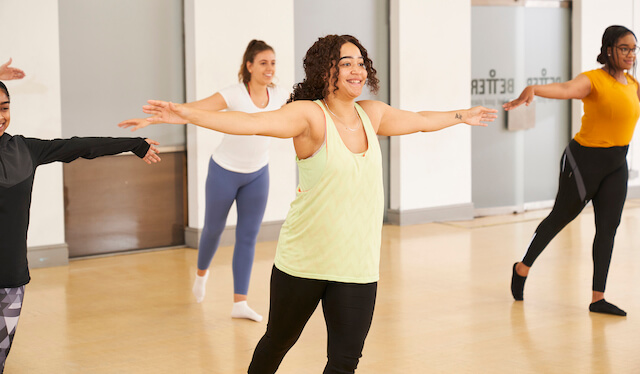
Pick a replacement for each outdoor session before rain arrives. A walk could become indoor swimming, a fitness class, stairs or a home strength routine. Match the backup to the time you already set aside.
If you need somewhere dry, check indoor venues or local groups before the next wet day. Save the address and session time so you do not need to search at the last minute.
Keep any home equipment where you can reach it. A mat or resistance band in a cupboard near the living room creates less work than equipment stored in a cold garage.
Change the time when needed
An early start is not the only way to stay consistent. If your day allows it, move an outdoor walk or run to lunch. You can also divide activity into shorter sessions when daylight and work hours clash.
A 2024 review of 68 studies identified flexibility, routine, enjoyment and support from others as common themes among adults who maintained physical activity. Weather was one of the environmental influences described in the studies.
Exercise with another person
Arrange a fixed time with a friend, class or walking group. A clear booking is easier to follow than a loose plan to exercise sometime during the week.
Choose company you enjoy and a session that suits both people. The same review found companion support was especially useful for keeping activity going. A friend can help with attendance, but the activity still needs to fit your schedule and interests.
Prepare for cold and rain
For outdoor sessions, wear layers that you can remove as you warm up. The Heart Foundation recommends checking shoe grip on wet paths. It also advises cyclists to use working lights and visible clothing in darkness or rain.
Move the session indoors when surfaces are slippery or conditions are severe. The backup is part of the plan, not a failed outdoor workout.
Restart after a missed week
Missing several sessions does not require a harder comeback. Return to the next planned session and use the smaller version if needed. Do not try to squeeze every missed workout into one week.
If illness, injury or a medical condition affects your return, ask a qualified health professional what activity is suitable.