Discover the Magic of Dance: Boosting Mind and Spirit

Sherol S - profile photo
By - Published
Discover the Magic of Dance: Boosting Mind and Spirit

In the world of physical activities, dance shines as a beacon of holistic wellness, offering not just a way to move but also a path to mental refreshment. Recent research, led by Dr. Alycia Fong Yan and her team, unveils the powerful effects of structured dance programs and classes on our psychological and cognitive health, opening up an exciting new avenue for therapy.

Published in Sports Medicine, this study dives into a thorough review and analysis of how dance impacts people of all ages and health conditions. From kids as young as 7 to older adults nearing 85, they looked at everyone—those in good health and those dealing with conditions like Parkinson's disease or heart failure. What they found is that dance has something to offer everyone when it comes to feeling better in mind and body.

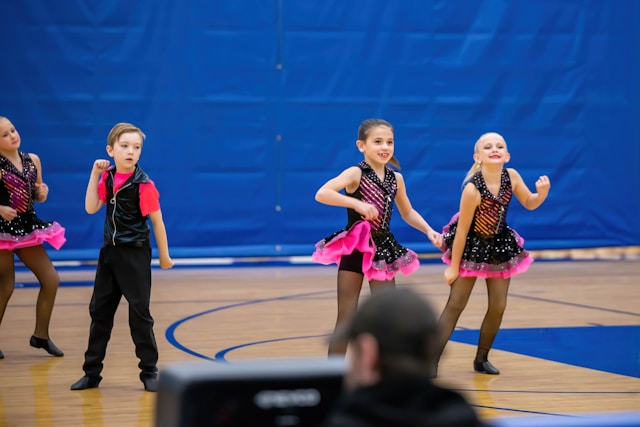
kids dancing on a
stage

The results, gathered from a mix of studies, tell an inspiring story. Structured dance sessions, whether they're theatrical, aerobic, or traditional, bring about changes in our mental well-being that are just as good as—or sometimes even better than—what you'd get from regular exercises. These changes cover a whole range of feelings and thoughts, from boosting our mood and motivation to helping us remember things better.

Dr. Fong Yan, who led the study, points out that dance isn't just about moving our bodies. It's also about challenging our minds as we learn new steps, connecting with others when we dance with partners or groups, and expressing ourselves creatively. All these aspects add up to make dance a really powerful way to make us feel better.

One big plus of dance is that it's easy to stick with. Unlike some exercises that can feel boring or tiring, dancing is fun and enjoyable, which makes it more likely that we'll keep doing it. And the more we dance, the more benefits we'll see for our mental health.

Another interesting finding is that different age groups seem to benefit in different ways. Younger people often feel happier and more motivated after dancing, while older folks tend to see improvements in how well they think and remember things. This suggests that dance could be a great way for everyone to stay mentally sharp and emotionally resilient as they age.

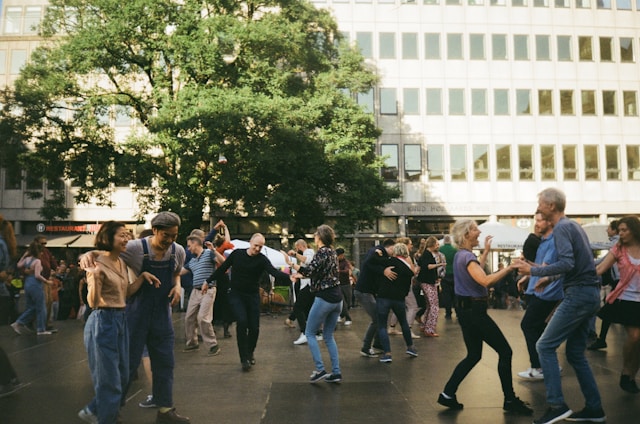
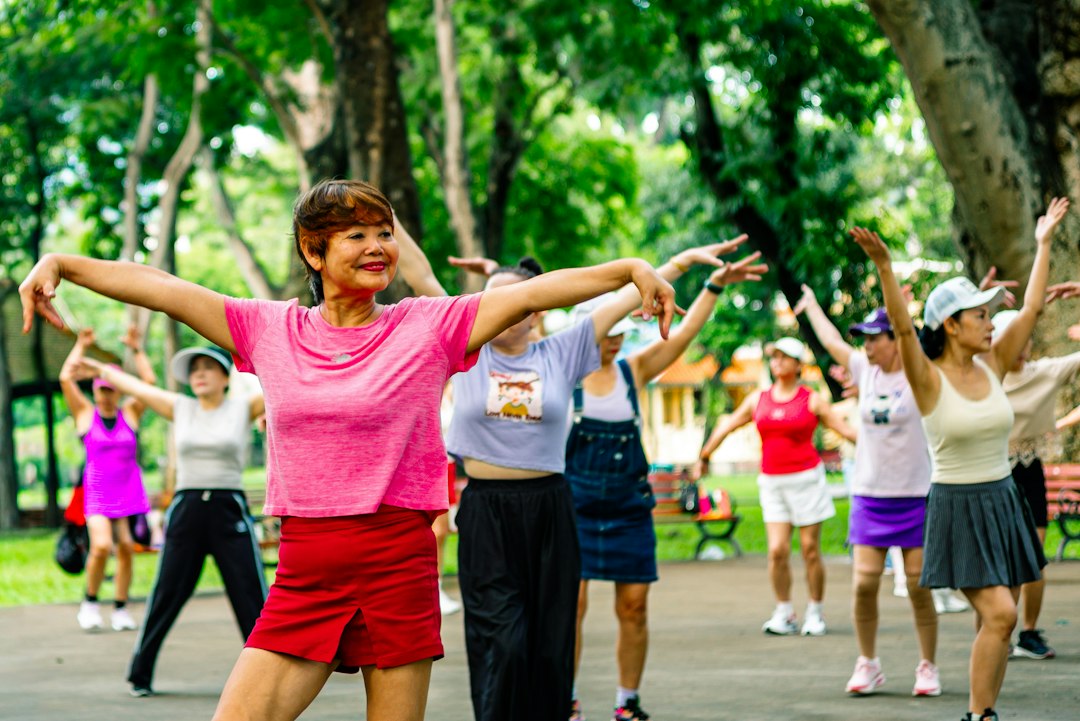
people dancing on a
street

Looking ahead, Dr. Fong Yan imagines a future where dance programs become a recognized way to improve mental health and well-being for people of all ages. By embracing the joy and rhythm of dance, we can take steps toward feeling better in both body and mind.

In summary, this study shines a light on the amazing power of dance to lift our spirits and sharpen our minds. So next time you're feeling down or in need of a mental boost, why not turn on some music and dance your cares away? Your mind and soul will thank you for it.

Looking for adult dance classes or kids dance classes? Try our activity search to explore fun new ways to get active.

Suggested articles

The Resolution Trap: Why ‘All-or-Nothing’ is the Enemy of Consistency

The Resolution Trap: Why ‘All-or-Nothing’ is the Enemy of Consistency

1 week ago

The "New Year, New Me" energy is a powerful motivator, but it often comes with a hidden trap: the all-or-nothing mindset. Many of us start January with rigid fitness resolutions, believing that if we can't commit to a full hour at the gym or a high-intensity session, it’s not worth doing at all. However, groundbreaking research reveals that this psychological rigidity is exactly why most resolutions fail by February. To make 2026 the year your fitness goals actually stick, you need to swap "perfection" for "flexibility." From embracing micro-workouts to finding accountability in local community sports groups, learn how to reframe your thinking and stay active for the long haul—even when life gets in the way.

More Than Just a Walk: How Outdoor Groups Build Community for CALD Women

More Than Just a Walk: How Outdoor Groups Build Community for CALD Women

2 weeks ago

Beyond the physical benefits of exercise, getting outdoors provides a vital pathway for social connection and cultural exchange. Drawing on the 2025 SAFE research by RMIT University, we explore how community-led outdoor groups are helping women from culturally and linguistically diverse (CALD) backgrounds overcome barriers to participation. From reducing isolation to building leadership skills, discover how inclusive sports and nature-based activities are redefining what it means to belong in the Australian outdoors and how local clubs can create more welcoming spaces for everyone.

Keeping Teen Girls in the Game: Is Australia Facing a ‘Grand Décrochage’?

Keeping Teen Girls in the Game: Is Australia Facing a ‘Grand Décrochage’?

2 weeks ago

A major study from France has highlighted a concerning phenomenon known as the "grand décrochage"—the great drop-out of teenage girls from organised sport. As the pressure of exams, social media, and body image mounts, many girls are hanging up their boots before they even reach adulthood. But is this just a European trend, or is the same thing happening in our local communities?

Dive into Summer: Score Free Pool Entry with the Banana Swim Pass

Dive into Summer: Score Free Pool Entry with the Banana Swim Pass

3 weeks ago

Looking for a way to beat the summer heat without spending a cent? This Wednesday, 21 January, your morning snack becomes your ticket to the pool. Australian Bananas has teamed up with Olympic champion Ariarne Titmus for the "Banana Swim Pass"—a nationwide event where a single banana gets you free entry to over 70 aquatic centres across Australia. Whether you’re planning a fun family day out during the school holidays or looking to squeeze in some laps for your fitness goals, we’ve got all the details on how it works and where you can dive in.

From Team Sports to Pickleball: How Our Relationship with Sport Changes Over a Lifetime

From Team Sports to Pickleball: How Our Relationship with Sport Changes Over a Lifetime

2 months ago

Sport in Australia is constantly evolving, and the way we stay active looks different at every stage of life. From childhood swimming lessons to the rise of casual fitness and social sports, new data from the latest AusPlay “Lifelong Involvement in Sport” report highlights how our habits, motivations and barriers change over time. The findings reveal why participation peaks in primary school, why so many teens step away from competitive sport, and how adults increasingly turn to flexible options like running, gym workouts and emerging sports such as pickleball.

Looking to get active?

Here is a few options to explore: