

Disclaimer: The information in this article is general in nature and is not intended to be a substitute for professional medical advice, diagnosis, or treatment. Always seek the advice of your doctor or other qualified health professional before starting any exercise programme or with any questions you may have regarding a medical condition.
You do not need a gym membership to build a useful fitness routine. Walking, home workouts, group classes, community sport and outdoor activities can all work. The best choice depends on your budget, schedule, need for instruction and interest in exercising with others.
A good routine should cover more than one kind of movement. Australia's current movement guidelines recommend moderate-to-vigorous activity for at least 30 minutes on most days. They also recommend muscle-strengthening work on two or more days each week.
Walking or running outdoors
Walking and running have the lowest setup cost on this list. You need a safe route and shoes that suit the distance. You can also change the pace, distance and hills as your fitness changes.
Going alone gives you control over timing and pace. A group adds a regular meeting time and people to move with. KeepActive lists nearby walking groups and running groups.
Social walking does not need to copy a run club. Ash Ormond started a Melbourne walking club after moving away from her existing friends. ABC reported in 2025 that it grew to thousands of members, with regular walks around The Tan and other social activities.
Home strength sessions
Home exercise suits people who need flexible timing. Bodyweight movements, resistance bands and a few weights can support a simple strength routine. You also avoid travel time and a recurring membership fee.
The trade-off is that you must choose the exercises and check your own technique. If you are new to strength work, an instructor can help you learn safe movement before you train alone.
Group fitness outside a gym
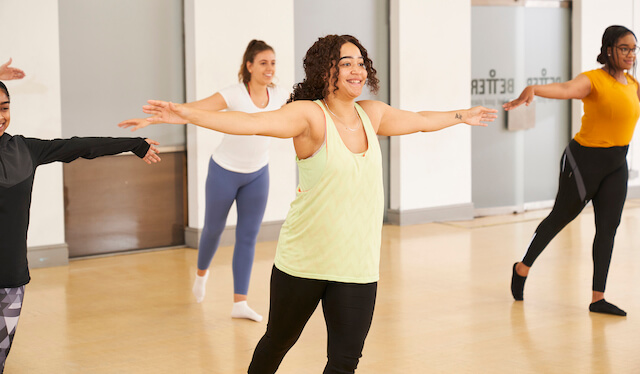
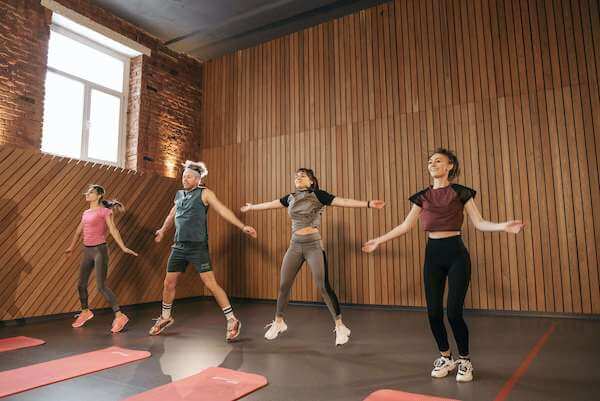
Community centres, studios, parks and local instructors can offer fitness training without a full gym membership. Ask about casual sessions, class size, instructor qualifications and any equipment you need. These details vary between providers.
This option suits people who want a set time and clear instruction. It gives you less control over the schedule than a home workout.
Community sport and social games
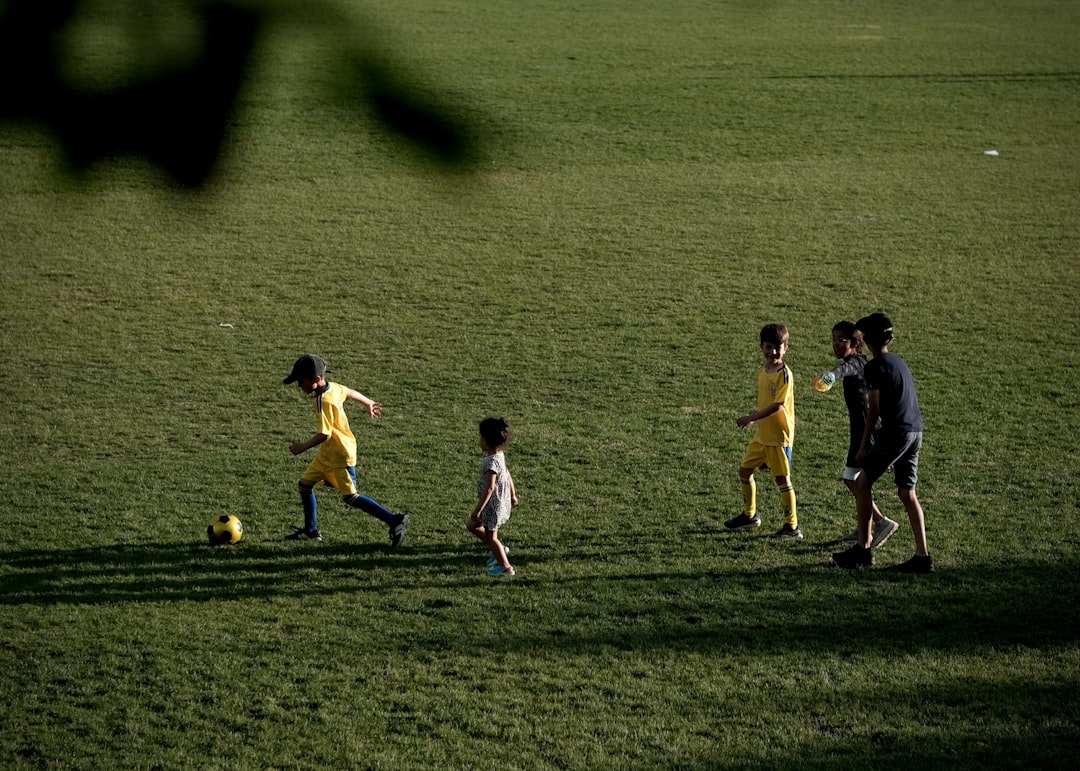
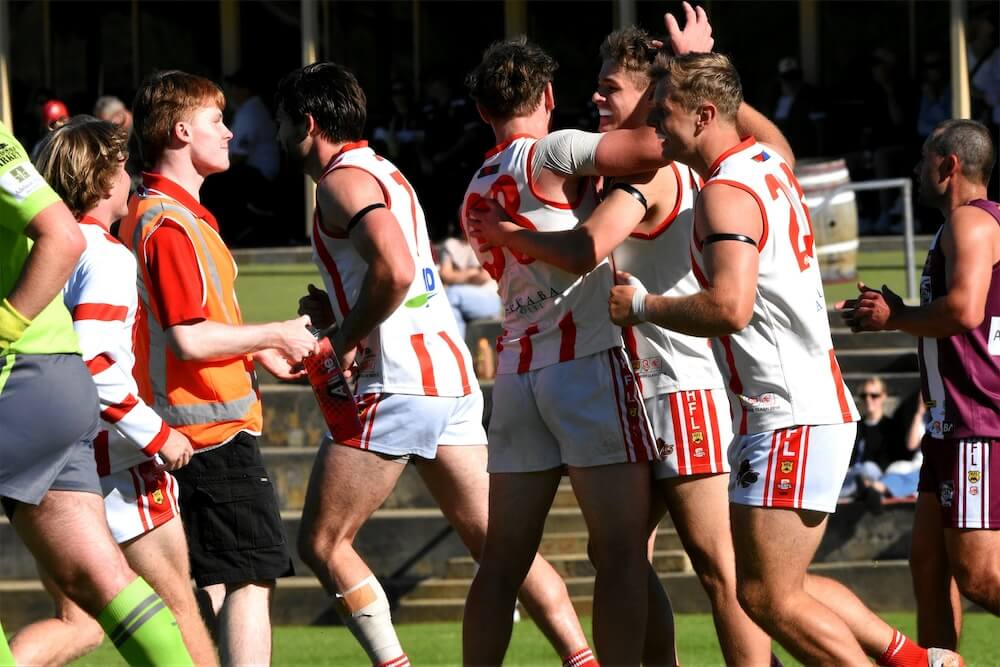
Community sport combines movement with a skill, team or regular opponent. Tennis, netball, basketball and social soccer are different from repeating a fixed workout. Contact nearby clubs first and ask about beginner sessions, registration, fees and equipment.
Do not assume community sport is free. Australian Sports Commission cost data shows that 52% of Australians aged 15 and over who participated in 2025 paid to take part. The reported average was $1,335 for the year, but costs varied by activity and location.

Cycling, hiking or swimming
These activities add variety when walking or home exercise feels repetitive. KeepActive lists local cycling groups and hiking groups. Cycling can cover local trips as well as planned exercise. Hiking changes the surface and distance, while swimming removes the impact of running.
Each choice has a practical limit. Cycling needs a working bike and a suitable route. Hiking takes more travel and planning. Swimming depends on safe water access or pool opening times.
Choose by the barrier you need to remove
Use home sessions when travel time is the main problem. Choose walking or running when cost matters most. Try a class when you want instruction, or community sport when other people help you keep a regular time.
You can also combine options. Two short home strength sessions can sit alongside walks, rides or a weekly social activity. Check the plan against your current ability, schedule and the movement guidelines, then adjust one part at a time.