

Disclaimer: This article is general information, not medical advice. If pain, injury or a health condition affects how you move, ask a qualified health professional for advice.
Mindful exercise means paying attention to your movement while you are active. You might notice your breathing on a walk or how your feet meet the ground. It can make movement feel more engaging. Research suggests the combination may support mental wellbeing, but it has not shown that mindfulness reliably adds extra benefits to exercise alone.
What does the research actually show?
A 2026 review of 14 trials studied programmes that combined mindfulness and physical activity. On average, participants reported less stress than people given minimal support or usual care. The review did not establish an extra benefit over exercise alone or mindfulness alone.
Only three trials compared the combination with exercise alone, and two compared it with mindfulness alone. The programmes and stress measures also varied. These small comparisons leave the extra benefit uncertain; they do not show that the practices are equal.
Can mindfulness help you keep exercising?
A separate 2026 trial assigned 97 adults who did little exercise to four weeks of movement with guided mindfulness, a neutral podcast or no audio. The mindfulness group reported greater enjoyment and intention to exercise than the podcast group. Some differences from the no-audio group were smaller or unclear. Exercise increased during the trial, then fell at the one-month follow-up. The follow-up result means the study cannot promise a lasting habit.
During a session, mindfulness can help you notice thoughts and sensations without judging them. It is not a reason to push through pain. If movement hurts, change or stop the activity and seek advice when needed.
What does mindful movement look like?
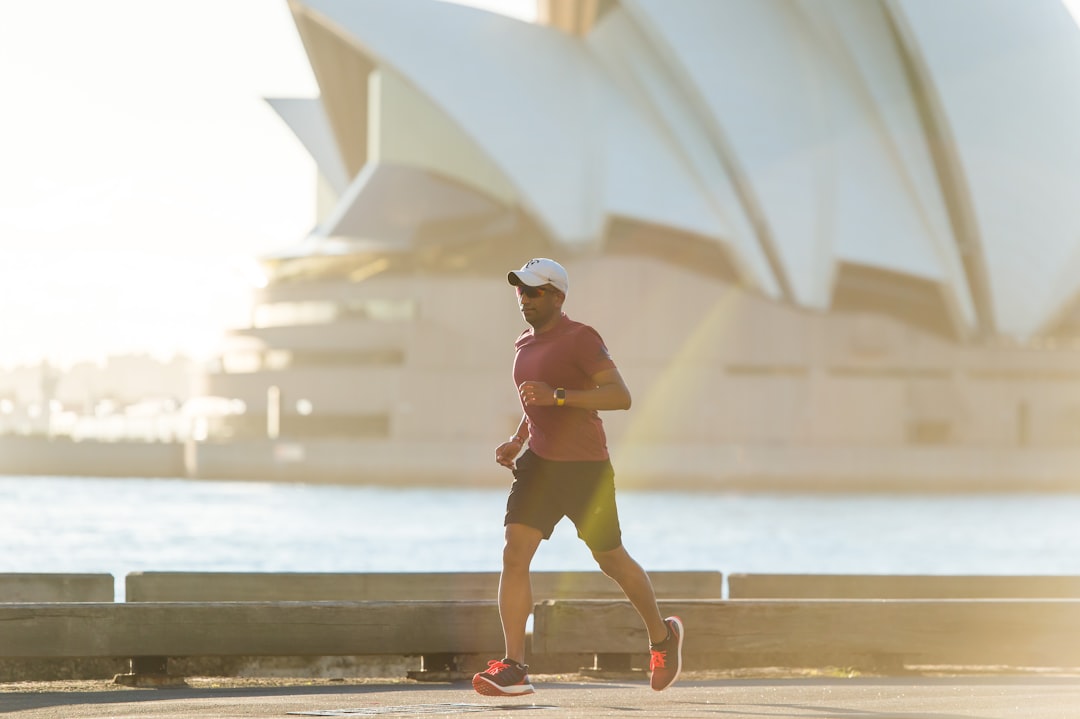
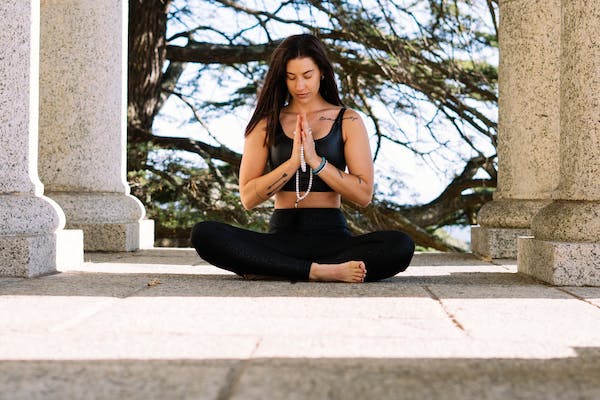
On a short walk, notice your footsteps, breathing and nearby sounds. When your attention wanders, bring it back to one of those details. You can try the same approach during a stretch or a gentle yoga session. The practice is about noticing the present moment without judgement. There is no need to empty your mind.
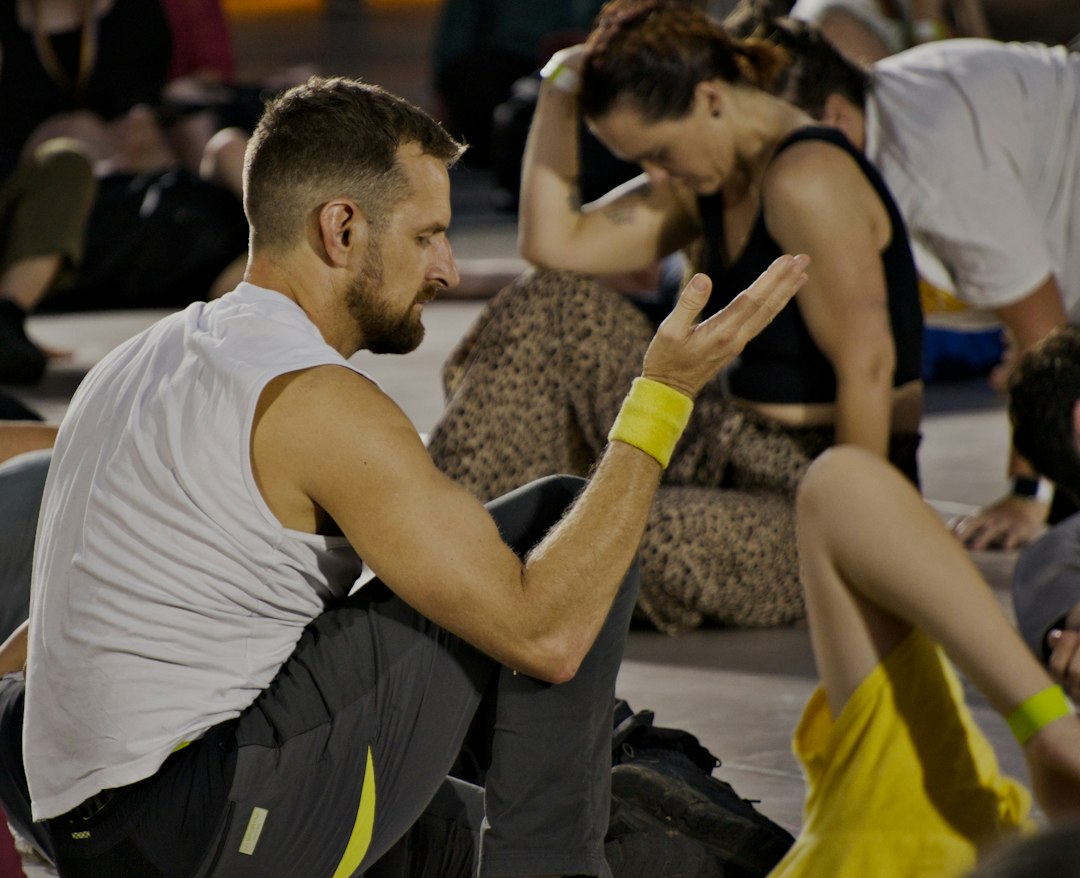
A group can combine movement and a separate mindfulness practice too. In 2025, ABC News reported that Salty Steps in Yeppoon offered a 30-minute walk at each person's pace, followed by guided breathing. The example shows how a group made both practices easy to try together. Check the organiser's current details before planning to attend.
How should you start?
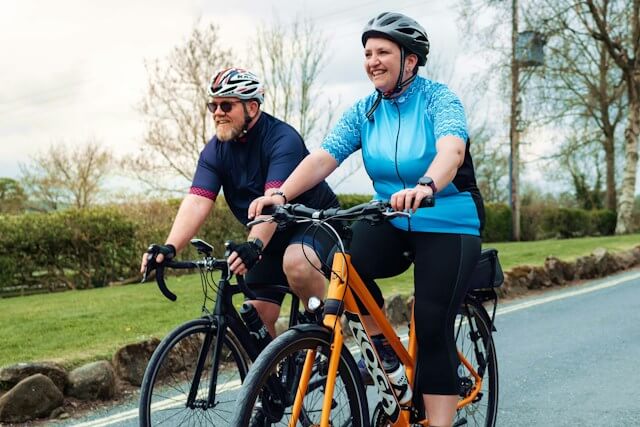
Try paying attention during a walk you already take. Begin with a few minutes and notice whether you enjoy it. A gentle stroll is a starting point. Australia's activity guidance also recommends at least 30 minutes of moderate to vigorous movement on most days. Choose a pace and activity that suit your circumstances.
If a shared session would help, search KeepActive's activity groups for walking or yoga near your suburb. Check the session pace, location, cost and organiser details before joining. If a routine is the harder part, our beginner guide explains how to pick a manageable starting point.