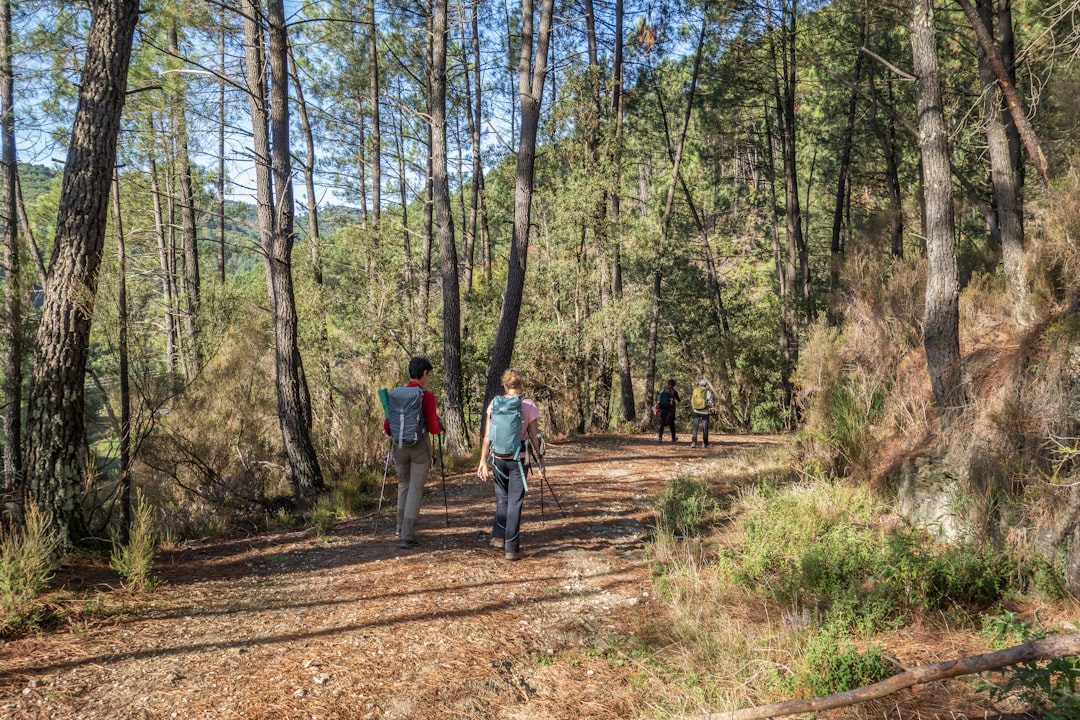


A mindful walk does not need a special route or a long session. Pick one feature to notice, such as water, birds, trees or garden design, then choose a park that suits it. These ten Melbourne parks offer clear choices, from small city gardens to longer river and lake paths.
If you would rather walk with other people, local walking groups provide another way to explore nearby green spaces.
Royal Botanic Gardens Melbourne
Choose the Royal Botanic Gardens when you want to slow down and look closely. The Fern Gully has a fully accessible boardwalk, bridges over its creek and wellbeing spaces reserved for walking.
This also works as an everyday walking place. ABC reported in 2016 that the gardens' then chief executive, Tim Entwisle, and his colleagues held walking meetings around the precinct. The specific example shows that a focused walk can fit into an ordinary workday.
Fitzroy Gardens
Fitzroy Gardens suits a short walk built around old trees and garden details. Its elm-lined paths cross extensive lawns and lead past fountains, sculptures, the Conservatory and the Fairies' Tree.
Carlton Gardens
Carlton Gardens gives you a strong visual focus. The formal features include tree-lined avenues, ornamental lakes, flowerbeds and the Hochgurtel Fountain. The Royal Exhibition Building provides a fixed point while you notice how the view changes across the gardens.
St Kilda Botanical Gardens
This compact garden works well when you want variety without a long route. The garden features include an ornamental pond, indigenous plants, the Alister Clarke Rose Garden and glasshouses. It opens from sunrise to sunset, while the conservatory keeps separate hours.
Flagstaff Gardens
Flagstaff Gardens is useful for a brief city-centre pause. Its historic layout includes elm avenues, Moreton Bay figs, rose beds and open lawns. A simple route is to walk the outside paths first, then cross through the centre and compare the tree cover.
Queen Victoria Gardens
Queen Victoria Gardens is a small park with several details close together. The main features include the Floral Clock, ornamental ponds, sculptures and the Janet Lady Clarke rotunda. It is a practical choice when you have limited time near the Arts Centre.
Jawbone Flora and Fauna Reserve
Choose Jawbone when birds, wetlands and coastal views are your main focus. The reserve paths pass wetlands, saltmarsh and mangroves, with bird hides beside the Bay Trail and boardwalk. Dogs are not allowed in the reserve, which matters when planning this walk.
Hays Paddock
Hays Paddock in Kew East combines a wetland edge with open parkland. The park facilities include seating, toilets, a picnic shelter and an off-lead dog area. Walk near the water, then use the open paths around the ovals for a broader view.
Yarra Bend Park
Yarra Bend is the strongest option here for a longer bushland walk near central Melbourne. The Dights Falls route passes river red gums, Galatea Point and the former Deep Rock Swimming Club site. Bellbird Picnic Area also gives access to the flying-fox trail and viewing platform.
Albert Park Lake
Albert Park Lake suits walkers who prefer a clear circuit and open views. The lake path circles the water and gives its widest city view from the southern end. Pick one point on the skyline or one type of bird to track, and let the loop set the length of the walk.