Why is parkrun so popular?

Sherol S - profile photo
By - Published
Why is parkrun so popular?

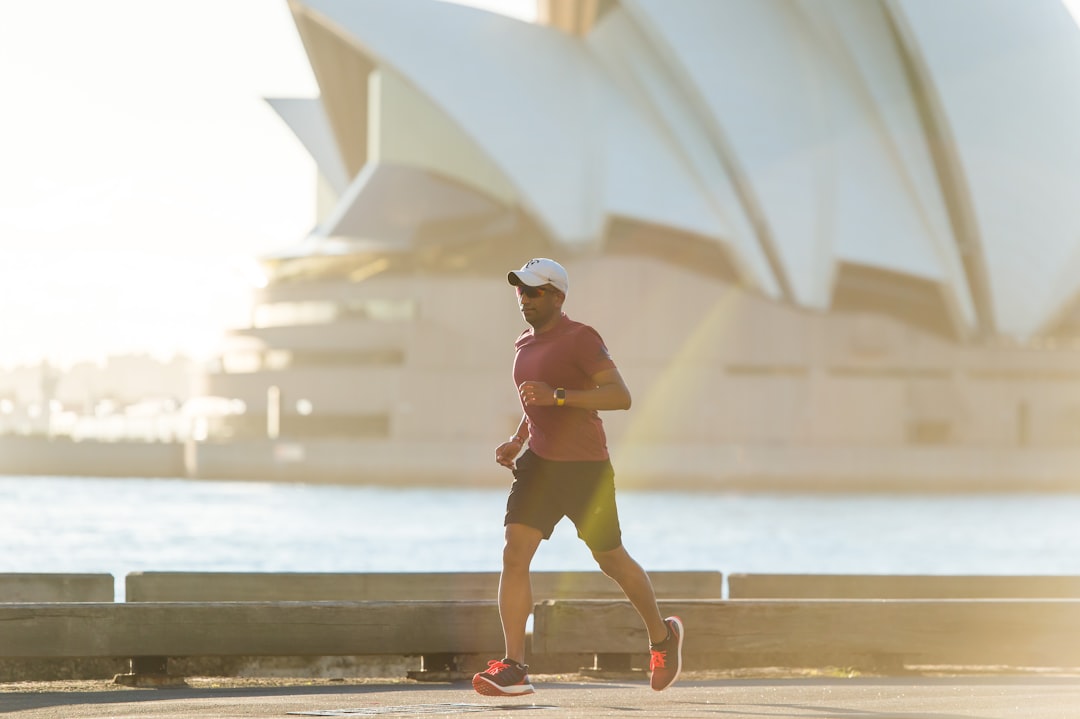
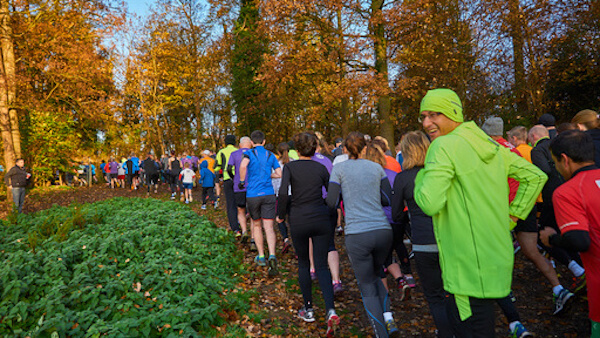
Parkrun is a free, weekly, 5 kilometer timed run that takes place in local parks around the world. Since its inception in 2004, parkrun has become incredibly popular, with millions of participants in over 20 countries. Here are some reasons why parkrun has become so popular:

  1. It's free: One of the main reasons parkrun is so popular is because it's completely free to participate. All you need to do is register online and show up at your local park on Saturday morning. This makes parkrun accessible to everyone, regardless of their financial situation.


  2. It's inclusive: parkrun is open to people of all ages and abilities, from serious runners to walkers and joggers. The event is timed, so participants can track their progress over time, but the focus is on participation and having fun rather than competition.


  3. It's social: parkrun is a great way to meet new people and make friends. Many parkrun events have a strong sense of community, with participants chatting and socializing before and after the run.


  4. It's good for your health: Regular physical activity has numerous health benefits, including improving cardiovascular fitness, strengthening bones and muscles, and reducing the risk of chronic diseases such as obesity and diabetes. parkrun is a convenient and enjoyable way for people to get moving and improve their health.


  5. It's convenient: parkrun events take place at the same time (9:00 a.m. local time) and place (a local park) every week, making it easy for people to fit into their schedules. Participants can also choose to do the run at their own pace, whether that be walking, jogging, or running.


  6. It's a family-friendly activity: parkrun is a great activity for families to do together. Many events have a junior parkrun for kids under 14, and parents can run with their kids or push them in a stroller.


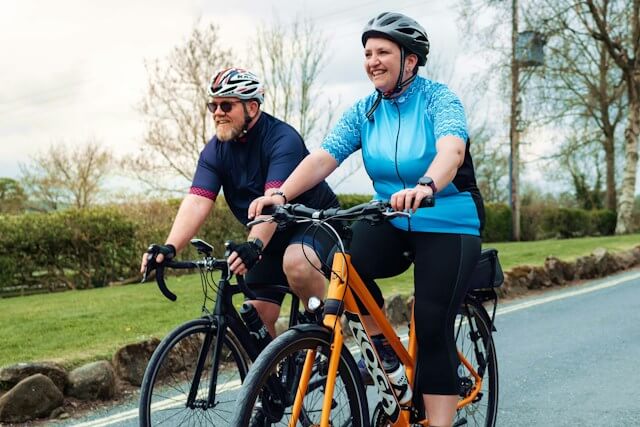
  7. It's environmentally friendly: parkrun events are held in local parks, which helps to reduce the environmental impact of transportation. Participants are also encouraged to walk, jog, or bike to the event to further reduce their carbon footprint.


  8. It's a global phenomenon: With events in over 20 countries, parkrun has a strong global presence. This means that participants can easily find a parkrun event wherever they are traveling, and can even compare their times with others around the world.


Overall, parkrun's combination of being free, inclusive, social, and good for health has contributed to its popularity. It's a fun and convenient way for people to get active and make new friends, and it's no surprise that it has become such a popular activity around the world.

Suggested articles

The Resolution Trap: Why ‘All-or-Nothing’ is the Enemy of Consistency

The Resolution Trap: Why ‘All-or-Nothing’ is the Enemy of Consistency

4 days ago

The "New Year, New Me" energy is a powerful motivator, but it often comes with a hidden trap: the all-or-nothing mindset. Many of us start January with rigid fitness resolutions, believing that if we can't commit to a full hour at the gym or a high-intensity session, it’s not worth doing at all. However, groundbreaking research reveals that this psychological rigidity is exactly why most resolutions fail by February. To make 2026 the year your fitness goals actually stick, you need to swap "perfection" for "flexibility." From embracing micro-workouts to finding accountability in local community sports groups, learn how to reframe your thinking and stay active for the long haul—even when life gets in the way.

More Than Just a Walk: How Outdoor Groups Build Community for CALD Women

More Than Just a Walk: How Outdoor Groups Build Community for CALD Women

1 week ago

Beyond the physical benefits of exercise, getting outdoors provides a vital pathway for social connection and cultural exchange. Drawing on the 2025 SAFE research by RMIT University, we explore how community-led outdoor groups are helping women from culturally and linguistically diverse (CALD) backgrounds overcome barriers to participation. From reducing isolation to building leadership skills, discover how inclusive sports and nature-based activities are redefining what it means to belong in the Australian outdoors and how local clubs can create more welcoming spaces for everyone.

Keeping Teen Girls in the Game: Is Australia Facing a ‘Grand Décrochage’?

Keeping Teen Girls in the Game: Is Australia Facing a ‘Grand Décrochage’?

1 week ago

A major study from France has highlighted a concerning phenomenon known as the "grand décrochage"—the great drop-out of teenage girls from organised sport. As the pressure of exams, social media, and body image mounts, many girls are hanging up their boots before they even reach adulthood. But is this just a European trend, or is the same thing happening in our local communities?

Dive into Summer: Score Free Pool Entry with the Banana Swim Pass

Dive into Summer: Score Free Pool Entry with the Banana Swim Pass

2 weeks ago

Looking for a way to beat the summer heat without spending a cent? This Wednesday, 21 January, your morning snack becomes your ticket to the pool. Australian Bananas has teamed up with Olympic champion Ariarne Titmus for the "Banana Swim Pass"—a nationwide event where a single banana gets you free entry to over 70 aquatic centres across Australia. Whether you’re planning a fun family day out during the school holidays or looking to squeeze in some laps for your fitness goals, we’ve got all the details on how it works and where you can dive in.

From Team Sports to Pickleball: How Our Relationship with Sport Changes Over a Lifetime

From Team Sports to Pickleball: How Our Relationship with Sport Changes Over a Lifetime

1 month ago

Sport in Australia is constantly evolving, and the way we stay active looks different at every stage of life. From childhood swimming lessons to the rise of casual fitness and social sports, new data from the latest AusPlay “Lifelong Involvement in Sport” report highlights how our habits, motivations and barriers change over time. The findings reveal why participation peaks in primary school, why so many teens step away from competitive sport, and how adults increasingly turn to flexible options like running, gym workouts and emerging sports such as pickleball.

Looking to get active?

Here is a few options to explore: