

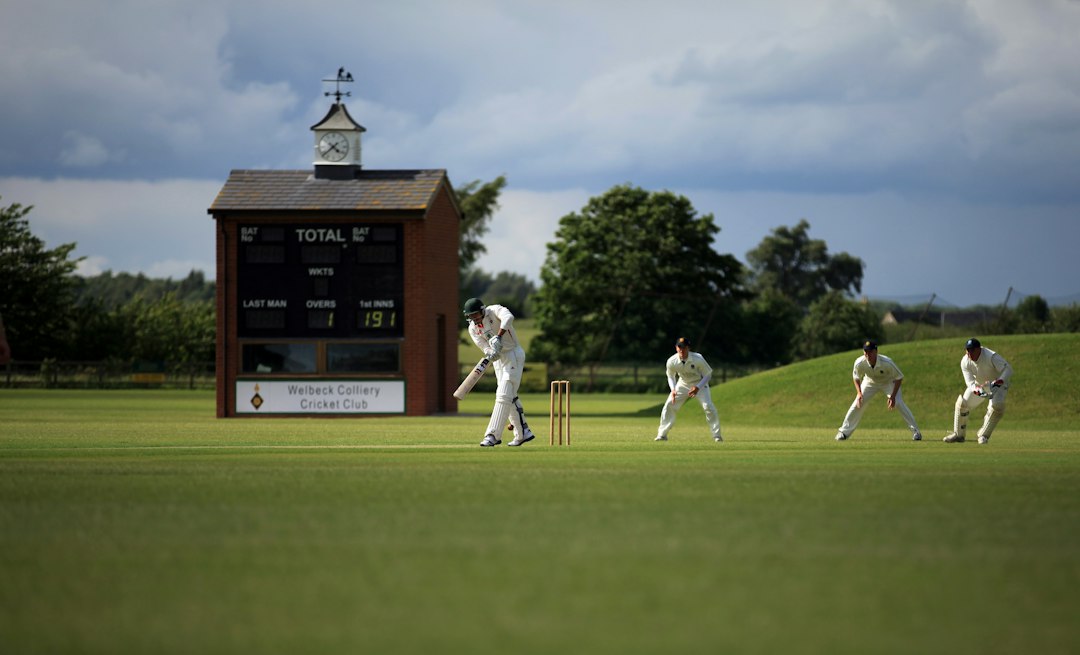
Adults can start cricket through a local club, a short social game or an indoor competition. You do not need to have played at school. Consider both match time and training, then speak to a nearby organiser before registering. Club cricket offers a team and a season. Shorter formats let you try batting and bowling with less equipment.
Choose a format that fits your week
Senior club cricket is the traditional outdoor game. Cricket Australia lists it for players aged 16 and over, with grades and match formats that vary by club. Ask which grade suits a beginner and how long its matches run.
Smash Series runs for about 60 minutes. It uses soft balls, smaller fields and modified bats, and everyone gets a turn to bat and bowl. You can register alone or with a small group. The organiser can place you in a team.
Indoor cricket usually takes 60 to 90 minutes, with four to eight players per side depending on the format. Everyone bats, bowls and fields. The smaller court and teams give each player regular turns. Cricket Australia also offers Women's Social Smash, a soft-ball option with equipment supplied. Check which formats actually run near you.
Guardian Australia reported on a Goondiwindi competition where Eliza Jackson first played as an adult with no cricket experience. Camilla Doolin joined after 25 years away from the game. In 2024, their 20-over matches ran on most Saturday mornings and took about two hours.
Find a club or session near you
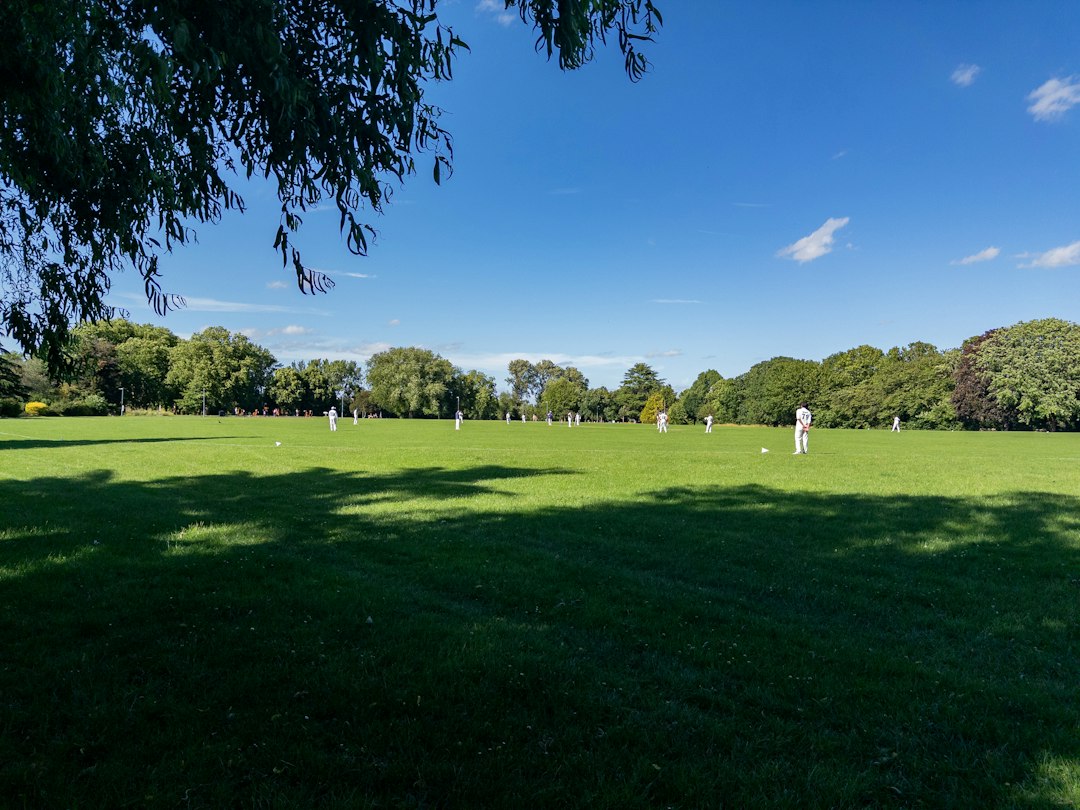
Start with KeepActive's cricket directory and enter your suburb. Cricket Australia's programme finder can then show current club options. Contact three to five nearby clubs if you want traditional matches. Their grades, vacancies and training times can differ.
Ask which adult grade welcomes beginners, whether you can attend open training, and when matches take place. Check the full season cost, including uniform and any match fees. A registration page does not tell you whether the right team has a place. The club can confirm that before you pay.
For Smash Series or indoor cricket, ask the organiser whether an individual can join and which nights games run. Local availability and trial arrangements vary. If you want a women's game, ask about Women's Social Smash and nearby club sides too.
Count training as well as match time
Cricket Australia's senior club guide tells newcomers to confirm training nights, match days and season dates with the club. Ask how many sessions run each week, how long they last and whether training attendance affects team selection. Check travel to away games and what happens if you miss a weekend. The match is only part of the weekly commitment.
In Canberra, Pallavi Singh attended training sessions before a Pink Stump Day match, ABC News reported. She worked full time and had young children. Her first sessions prepared her for a particular game; ask your local organiser whether it offers an introduction like that or expects a season-long commitment.
Check registration and equipment
Once the organiser confirms a place, use the registration link they provide. For club cricket, ask which competition, grade and season to select. Confirm the total cost and whether the club can lend you equipment for the first training session. Cricket Australia says clubs often share gear, but each club decides what is available.
One 2026/27 example shows why asking about the total matters. West Coburg lists a $510 full-season option or a $50 deposit with the remainder paid through the club. Both prices exclude national, state and association charges. Your club's price and payment choices may differ.
Smash Series supplies bats, balls and stumps. Cricket Australia says participants need active clothes, a hat and a drink bottle. Hard-ball club cricket has different gear. For community cricket, Cricket Australia strongly recommends a BS7928:2013 helmet and a neck protector when batting, keeping up to the stumps or fielding close to the batter. Ask about the club's equipment and competition rules before buying anything.

Make your first session count
Ask where to meet, when to arrive and whether the first visit is training or a match. Tell the coach or captain if you are new. They can explain the drills and the group's level.
After one session, you will have a clearer idea of the time and format. If it suits you, ask the organiser for the next date and the correct registration link.