
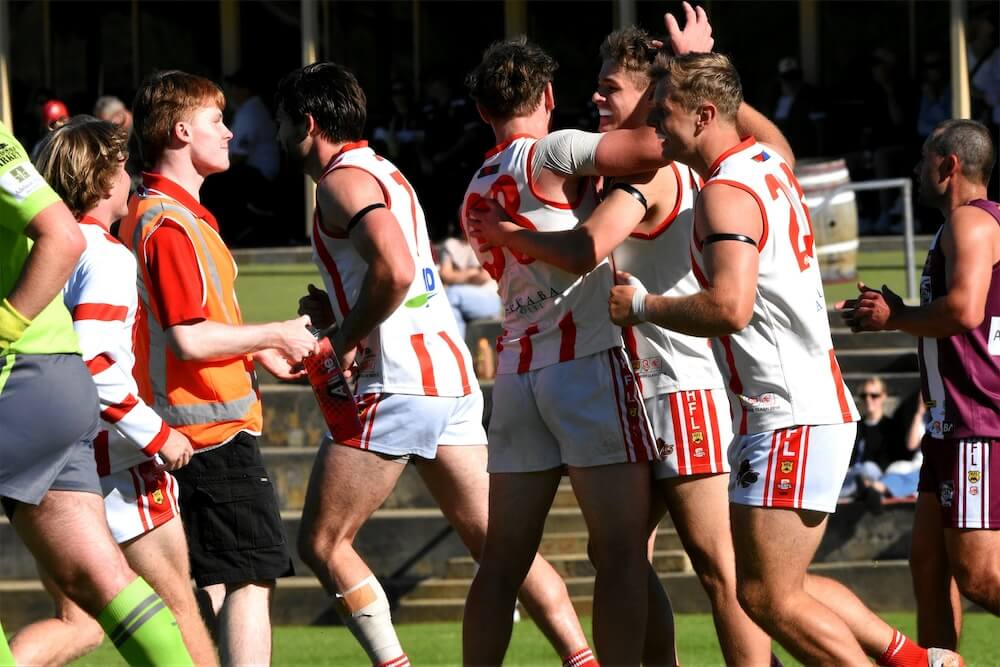
Community sport in Australia usually works through a chain of organisations: a local club enters teams in a league or association, which operates within rules set by state and national bodies. The club is normally your best first contact. It can tell you whether there is a place in a team, when training happens and what the season will really cost.
The online registration system comes later. It records the participant, collects required details and may take payment, but submitting a form does not always guarantee a team place. Some sports require the club to accept the registration before the player is eligible to compete.
Community sport in Australia at a glance
| Part of the system | What it usually does | When you might contact it |
|---|---|---|
| Local club | Forms teams, runs training, communicates with members and enters teams in competitions | First, to ask about places, schedules, costs and trials |
| League or association | Creates fixtures and grades and applies local competition rules | If you cannot find a suitable club or need competition information |
| State sporting body | Administers the sport across its state or territory | For state-specific pathways, policies or unresolved registration questions |
| National sporting body | Sets the sport's national direction and many of its rules and policies | For national policies or links to state bodies |
| Council or venue manager | Owns or manages many community grounds, courts, pools and pavilions | Usually only for venue information or closures |
| Registration platform | Records participants, memberships and payments | After the club confirms which registration product to use |
The exact arrangement varies by sport and location. The Australian Sports Commission describes national and state sporting organisations as the recognised bodies for their sport nationally and within each state or territory. Between those bodies and the player, a regional association or league may run the competition while the club handles the team week to week.
For example, the Sutherland Shire Football Association coordinates more than 20,000 players across 26 clubs. The association runs the wider competition, while each club manages its own members and teams.
Start with the club, not the registration portal
A registration page can show an available product, but it cannot tell you whether a particular team still needs players or whether its training time suits you. Start by searching community sports clubs and activities near you, then compare a few realistic options.
Before paying, ask the club:
- Is there a confirmed place for this age group or grade?
- Which grade suits a beginner or returning player?
- When and where are training and matches?
- What is the likely total cost for the first season?
- Are uniforms, equipment, match fees and insurance included?
- Is there a come-and-try session or short trial period?
- Are any volunteer shifts or match-day duties expected?
Nearby clubs can have different vacancies, schedules and payment options even when they play in the same competition. If one club is full, another may still be forming a team.
The portal records a player in the system; the club gives that player a team, a training time and a place in the competition.
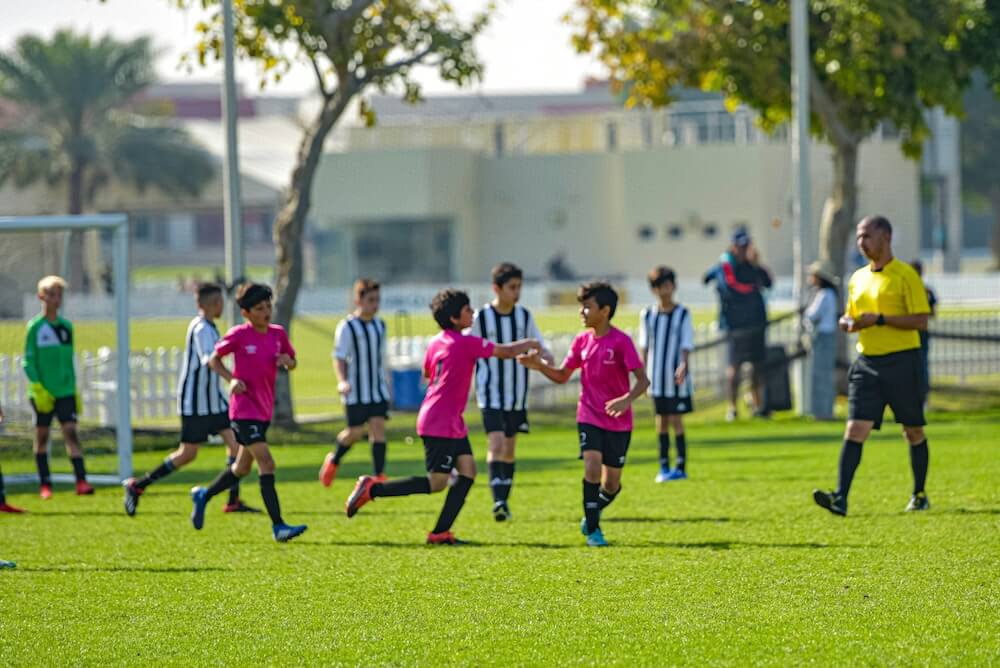
What happens when you register?
Once the club confirms the right programme or team, use the official link it provides. Choosing a similarly named club, an old season or the wrong age group can delay the process.
The platform depends on the sport. Australian football uses PlayHQ, while football participants register through PlayFootball. Other sports may use PlayHQ, NetballConnect or their own system.
Registration commonly records the participant with the club and competition, collects eligibility information and processes some or all fees. Club acceptance can be a separate step. Under the 2026 AFL National Community Football Policy Handbook, for example, a player must register through the competition platform and the club must accept the registration before it becomes active.
Keep the confirmation email, but wait for the club to confirm the team and first session. A receipt proves that a form was submitted; it does not necessarily contain the final fixture or training details.
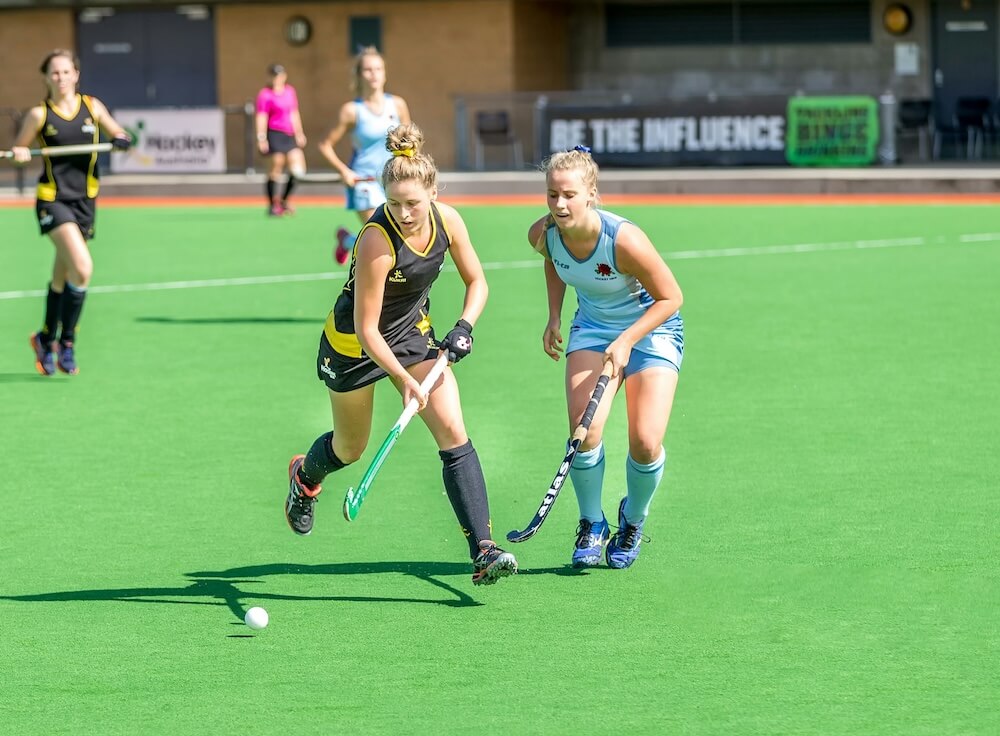
What do community sport fees cover?
The amount shown on a registration page may combine club membership with association, state or national charges. Other expenses can be billed separately. Ask the club to separate the following:
- registration and membership fees
- uniform or playing kit
- personal equipment
- weekly match or venue fees
- coaching or grading fees
- travel and tournament costs
- any refundable deposit or fundraising commitment
The Australian Sports Commission's 2026 Cost of Sport study found an average entry-level cost of $1,161 for children and $1,200 for adults, including registration or membership, clothing and equipment. These national averages cover very different sports and are a guide to the wider cost of joining, not a quote for a local club.
If cost is a barrier, ask before ruling a club out. The same ASC report describes how Melbourne's Fawkner Netball Club supports about 300 members through flexible payments, volunteer discounts, second-hand uniforms and equipment support. Belnorth Football Club in Canberra uses payment plans, family rebates, hardship scholarships and a boot bin. These are local examples rather than standard entitlements, but they show the kinds of support worth asking about.
The ASC also maintains links to state and territory sport voucher programmes. Eligibility and available funding differ by jurisdiction.
When do registrations open?
There is no single registration date for Australian community sport. Timing depends on the code, competition, climate, school terms, facilities and how early a club needs to form teams.
A national platform opening is not the same as a local club deadline. For example, the 2026 AFL handbook says its player registration period starts on 1 October unless otherwise specified. A club or league can still publish its own dates for trials, grading and team nominations.
Junior teams may fill or close before adult social grades in the same association. If the online form is closed, contact the club and local association. They can tell you whether late registration, a waiting list or another nearby team is available.
Why do clubs ask members to volunteer?
Many community competitions depend on volunteers to coach, manage teams, score, umpire, run the canteen, prepare equipment and serve on committees. The ASC estimates that 2.9 million Australians volunteer in sport each year.
Expectations vary. One club may roster each family for a canteen shift, while another may ask only for optional help. Before joining, ask what is compulsory, how often it occurs and whether required roles need accreditation or a working-with-children check.
From first search to first match: a simple checklist
- Find nearby options. Search by sport, location and age group.
- Contact the clubs. Confirm vacancies, grade, schedule, full-season cost, trials and volunteer expectations.
- Choose the best fit. A convenient training time and suitable grade can matter as much as distance.
- Use the club's official link. Check the participant, club, season and registration product before paying.
- Wait for acceptance. Confirm that the player has a team place and is eligible for fixtures.
- Buy remaining gear. Check what the club supplies and whether second-hand options are available first.
- Get the weekly details. Ask where the club publishes training updates, fixtures and venue changes.
Frequently asked questions
Does paying registration guarantee a place in a team?
Not always. Some clubs confirm places before registration; others allocate teams after registrations and grading. Ask the club whether your place is confirmed before paying.
Can I join after the season has started?
Sometimes. It depends on vacancies, team nomination dates and the competition's eligibility rules. Contact the club even if its public registration form has closed.
Why are there several charges?
Different amounts may fund the club, league or association and governing bodies. Uniforms, equipment, match fees and travel may be separate. Ask for an itemised first-season estimate.
Do parents or players have to volunteer?
That is set locally. Ask whether duties are compulsory, optional or linked to a discount or refundable levy.
What if I am changing clubs?
Transfer or clearance rules may apply, and the process differs by sport. Contact the new club before creating another registration or participant profile.
Where can I find a community sports club?
Search KeepActive's local activity directory or use the Australian Sports Commission's links to more than 60 sports. Then contact the club directly to confirm current details.