
Disclaimer: The information in this article is general in nature and is not intended to be a substitute for professional medical advice, diagnosis, or treatment. Always seek the advice of your doctor or other qualified health professional before starting any exercise programme or with any questions you may have regarding a medical condition.
In 2020, at 13, Brodie Childs had done little sport before she joined a skating programme in Albany, WA. She learned alongside other girls and made friends. Starting a new sport at 12 or 15 is still possible, even when classmates have years of practice. The harder part is finding a first session that welcomes a beginner.
Teen sport participation drops with age
In 2019, Victorian registrations across ten sports were equivalent to 63.8% of the population aged 10–14, compared with 31.6% of those aged 15–19. This compares age groups; it does not mean half of individual players quit.
An Australian study followed children over time. Of those who played organised sport at 12, one-third had stopped by 14. Its cohort is older, so neither study provides a current national dropout rate. They also measure organised sport, not every walk, ride or informal game.

Why teenagers leave or hesitate to join
Cost, school and work commitments, and worries about being judged can all get in the way. The Australian Sports Commission also lists poor experiences, such as little playing time or a focus on winning over learning. A teenager arriving without basic skills can feel these pressures before their first match.
Girls face some added barriers. In an Adelaide study of 2,189 high-school students, 40% of Year 10 girls played no sport, versus 30% of boys. Interviews pointed to friendship, school and work commitments. Researcher Professor Murray Drummond highlighted welcoming clubs and good coaching as ways to help girls stay involved. These findings are from Adelaide schools, not a national survey.
Gaming and screen time compete for limited leisure hours, the Sports Commission says. In Perth interviews with 24 girls, social media images prompted body comparisons. Appearance worries can also surface during sport: ABC News reported that Zoe, 18, quit PE because her uniform made her feel exposed. These sources do not establish that devices caused the wider decline in club sport.
What a teenager wants from sport can change too. The Sports Commission's youth guidance says 15–17-year-olds who stay involved value fun and time with friends. Heavy training demands and a focus on performance can make participation less appealing. A beginner who wants to play socially may find a selection-focused team a poor fit, even if they like the sport itself.
Do older beginners need to catch up?
Former Western Bulldogs player Lin Jong started football at 15. Reaching the AFL is rare, but his story answers one worry: a later start does not make learning impossible. Most teenagers need a place where the coach teaches the basics and the group makes room for different skill levels.
They also do not need to commit to one sport immediately. The Australian Institute of Sport's position statement cautions against early specialisation for young athletes. The Sports Commission's parent guidance recommends matching activities to a child's interests and skills. Trying a few sessions in different sports can help a teenager decide what they enjoy. It is a way to choose, not a race to make up for missed years.
How sports groups are making room for beginners
Brodie's Albany skating group offered equipment and a space for girls to learn together. Other sports are changing the first step too. Football NSW's girls' programme introduces 12–17-year-olds to skills and small games over six weeks. Netball Queensland's Teen Social offers 15–19-year-olds games without ladders, finals or uniforms.
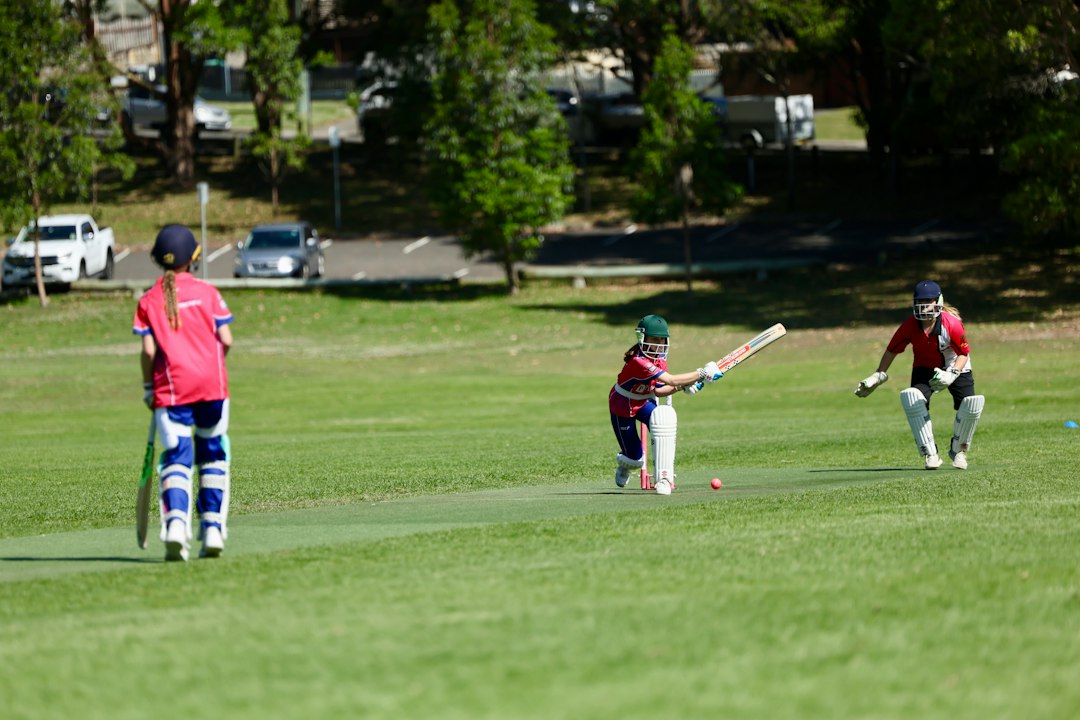
For younger children, Cleveland Thornlands and Redlands cricket clubs ran a Trebles carnival to ease the move from Cricket Blast to junior cricket. Its 72 players used small teams, with everyone getting turns to bat and bowl. Cricket Australia recognised it as a 2025–26 junior initiative.
Some groups also tackle the reasons teenagers leave. South Adelaide Basketball Club's basketball programme, Hoops & Her, offered 13–18-year-old girls skills clinics, mentoring and routes into coaching and refereeing. Flinders University researchers helped develop state guidelines for clubs. They recommend letting girls play with friends at a suitable level, instead of moving them into senior teams too soon. These are local examples, so check what is available in your area.
Body image needs a response from adults as well. Sport Integrity Australia and the Embrace Collective's Sport is for Every BODY campaign gives parents, coaches and clubs resources on body shaming and inclusive language. Its coach questions raise flexible uniform options and how to respond to comments about appearance. This is a practical issue to ask about, especially if clothing or changing facilities are putting your teenager off.
How parents can help without adding pressure
Ask what your teenager enjoys before deciding what support should look like. Former AFL player Nathan Burke told ABC News that his daughters valued time with friends before and after games. He and his wife changed the family's crowded schedule, even though it meant they could not both watch every match. Their idea of a good sporting day had been different from their daughters'.
Sometimes support means removing an obstacle. In south-west NSW, teenage cricketer Abby had to play in a boys' team because there was no local girls' side. Her mother Tash started a social competition for girls; it grew into age-group leagues. Most families cannot start a competition, but they can tell a club what is stopping their child from joining and ask whether a friend, suitable team or new session could help.
On the sideline, encouragement helps more than instructions after every mistake. The Australian Sports Commission's parent guidance recommends staying positive regardless of the result and matching expectations to the child's reasons for playing. Former academy coach Lee Unsworth gave similar advice about letting children make mistakes rather than coaching from the boundary.
If a game or trial goes badly, listen before deciding whether they should quit or push through. Melbourne-based provisional sports psychologist Darren Godwin told ABC RN that parents can help a child focus on things they control, such as effort or a skill they want to practise. Once feelings settle, ask whether the problem was the sport, the team or one difficult day. That answer can guide a calm conversation with the coach or a search for a better fit.
How to find a good first session
Start with local clubs on KeepActive, then ask a nearby organiser which age group and format accepts new players. A club may offer social sessions, a beginner group or a regular team; the right option depends on what it runs locally. Check whether there is space now or when the next intake starts. Ask your teenager whether they want to learn skills, play matches, spend time with friends or simply try something new. Their answer will help you judge a session on the right terms.
- Can a beginner join at this point in the season and try a session before paying?
- What will the first session involve? Will the coach teach the basics, and how much game time do new players get?
- Is there a social group or a way to join with friends if they do not want a competitive team?
- What are the full costs, including uniform, equipment and travel? Can any equipment be borrowed for a trial?
- Are there uniform options, and how does the coach handle comments about players' bodies?
After a trial, ask your teenager whether they felt included, understood what was happening and want to go back. If the first group was too competitive, ask about another format before deciding the sport itself is wrong for them. Their experience of the session will tell you more about the fit than their starting age.