
Disclaimer: The information in this article is general in nature and is not intended to be a substitute for professional medical advice, diagnosis, or treatment. Always seek the advice of your doctor or other qualified health professional before starting any exercise programme or with any questions you may have regarding a medical condition.
A meditation app does not need a monthly subscription. Smiling Mind, Medito, Healthy Minds Program, Insight Timer, UCLA Mindful and Plum Village all offer enough free material for regular use. They differ in structure, choice and teaching style.
Five are free or donation-supported. Insight Timer combines a large free library with an optional subscription. Features and prices can change, so these details were checked on 26 September 2026.
Free meditation apps at a glance
| App | Free access | Main format | Main difference |
|---|---|---|---|
| Smiling Mind | Free | Guided programmes | Australian content for adults, children and families |
| Medito | Free | Courses, daily sessions and timer | No account, advertisements or paywall |
| Healthy Minds | Donation-funded | Lessons and guided practice | Seated or active sessions from 5 to 30 minutes |
| Insight Timer | Free library; optional subscription | Large library and timer | More than 300,000 free practices and tracks |
| UCLA Mindful | Free meditations | Small guided library | Introductory sessions in 19 languages |
| Plum Village | Free | Meditations, talks and relaxation | Buddhist teaching from a monastic community |
Six apps in more detail
1. Smiling Mind: Australian content for families
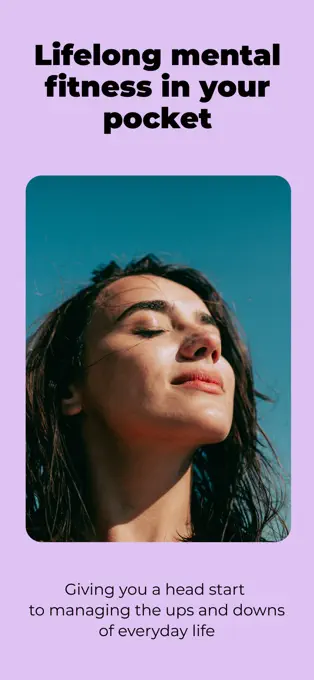
Smiling Mind is an Australian not-for-profit app covering meditation, mindfulness and mental fitness skills. It lists more than 700 lessons, practices and meditations for adults, children aged 5 to 12 and families. The library includes offline downloads and sessions in Kriol, Ngaanyatjarra and Pitjantjatjara.
2. Medito: free without an account
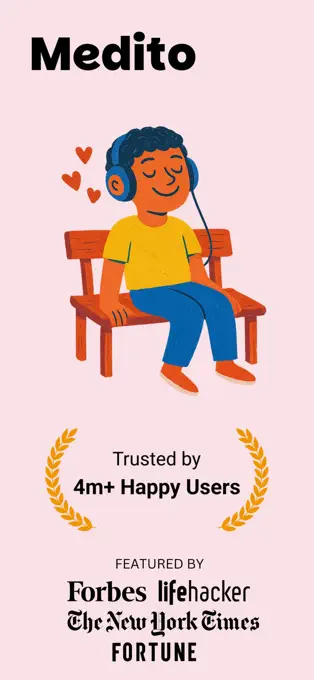
Medito is run by a non-profit foundation. Every meditation is free, with no advertisements, paywalls or account requirement. Its library includes beginner courses, daily sessions, sleep stories, breathing exercises and an unguided timer. Sessions can be downloaded for offline use.
3. Healthy Minds: lessons with guided practice
The Healthy Minds Program is funded by donations rather than a required subscription. It combines guided meditations with lessons about awareness, connection, insight and purpose. Many sessions can be adjusted from 5 to 30 minutes, with seated and active options.
4. Insight Timer: a large free library
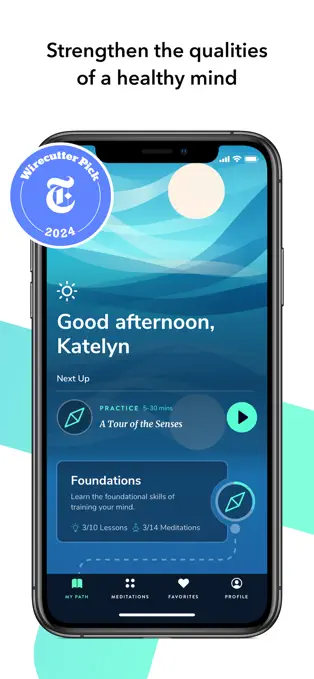
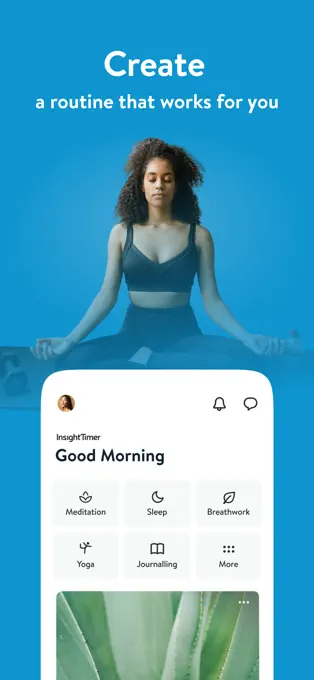
Insight Timer offers more than 300,000 free guided practices, sleep tracks, music sessions and courses. Its free tools include live classes, breathing exercises and a custom timer. The choice can take time to browse. A paid MemberPlus plan adds premium material, downloads and listening without advertisements.
5. Plum Village: Buddhist teaching and meditation
The free Plum Village app shares practices from Zen teacher Thich Nhat Hanh and his monastic community. It includes guided meditations, deep relaxation, talks and daily mindfulness practices. Its Buddhist foundation distinguishes it from the secular courses in this list.
6. UCLA Mindful: sessions in several languages
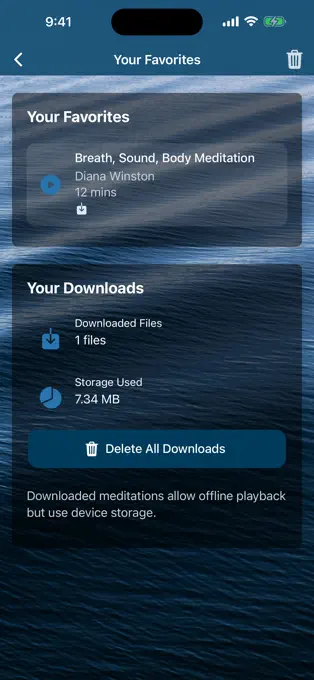
UCLA Mindful is produced by the mindfulness education centre at UCLA Health. It includes free breathing practices, body scans and mindful movement. Introductory meditations are available in 19 languages and can be downloaded. Paid UCLA classes may appear in the events area.
What research says about meditation
Meditation asks you to notice an experience, such as breathing or sound. When the mind wanders, you notice it and return. A review of 34 randomised app trials covering 7,566 people found short-term improvements in stress, anxiety, depression symptoms and psychological wellbeing. The average effects were small to moderate. Study quality varied, and long-term effects were unclear.
Stress, mood and sleep
A review of meditation programmes found moderate evidence of improvements in anxiety and depression symptoms. Evidence for stress and distress was weaker, and results vary from person to person.
A separate review of 18 trials found better sleep quality than time- or attention-matched activities. Meditation did not work better than established sleep treatments. It may support a bedtime routine, but ongoing sleep problems need proper assessment.
Compassion and helpful behaviour
Loving-kindness and compassion meditation focus on care for yourself and others. A review of 26 randomised trials found small-to-medium effects on compassion, empathy and helpful behaviour. A separate review found no improvement in compassion when meditation was compared with another activity rather than a waiting list.
Living with chronic pain
A review of 38 randomised trials found low-quality evidence of a small reduction in chronic pain. Some participants also reported better quality of life. Most studies tested structured mindfulness programmes rather than apps. Meditation may offer support, but it does not replace pain care.
When to stop a meditation session
Some people report unwanted experiences during meditation. A systematic review found that adverse events can include increased anxiety, low mood or unusual changes in perception. Rates varied widely between study types and meditation settings.
Stop the session if you feel distressed, panicked or disconnected. Seek advice from a qualified health professional if the feeling continues. An app is a practice tool, not mental health treatment or crisis support.
How to choose an app
Start with the format you are most likely to use. A structured course removes daily decisions. A large library offers more choice, while a timer supports silent practice.
Choose one app and use it for a week before adding another. This gives you time to judge whether its session length, voice and structure fit your routine.
A five-minute way to begin
Choose a five-minute guided session and link it to a reliable part of the day. Sit in a steady position, follow the guide and return your attention when it wanders.
After three or four sessions, keep the same length or add a few minutes. A short, repeatable session is enough to learn the basic process.