
Disclaimer: The information in this article is general in nature and is not intended to be a substitute for professional medical advice, diagnosis, or treatment. Always seek the advice of your doctor or other qualified health professional before starting any exercise programme or with any questions you may have regarding a medical condition.
Only 18% of Australian children aged 5 to 17 meet the recommended physical activity levels. That figure comes from the 2026 Blueprint, the Heart Foundation's fourth national activity plan, released on 13 November 2026 and developed with 70 researchers and practitioners.
Adults are not far ahead. Fewer than a quarter of Australians aged 18 to 64 meet the combined physical activity and sedentary behaviour guidelines. With summer school holidays starting in mid-December, the next few weeks offer a practical window for families to build more movement into their routine.
What the 2026 Blueprint found
The Blueprint for an Active Australia is a national evidence-based plan coordinated by the Heart Foundation. Its fourth edition covers 12 action areas including school environments, sport, urban design, and health settings. The 18% figure measures children who meet both the daily aerobic activity target and the muscle and bone strengthening requirement for their age group.
Children who get enough aerobic activity but miss the strengthening component still fall into the 82% who do not meet the full guidelines. The two requirements serve different health functions, so the guidelines count both.

How much activity children need each day
The Australian Government's activity recommendations for children aged 5 to 17 set two requirements. First, at least 60 minutes of moderate to vigorous physical activity every day. Second, vigorous activity and muscle and bone strengthening on at least three days per week.
Moderate activity includes brisk walking, bike riding, and social sport at a relaxed pace. Vigorous activity includes running, swimming laps, and competitive sport where talking becomes difficult. Activities that strengthen muscles and bones include climbing, gymnastics, skipping and most ball sports. The 60-minute target applies every day, not as a weekly average, though shorter sessions spread across the day count toward it.
The same guidelines recommend limiting recreational screen time to no more than two hours per day, separate from schoolwork. Some physical activity is better than none, and any increase from low levels carries measurable health benefits.
Practical steps for the school holiday window
Summer school holidays run from mid-December to late January in most states, giving families about seven weeks outside the usual school routine. A few approaches that work for different families:
- parkrun runs a free adult 5km every Saturday morning — children can join with an adult. For children aged 4 to 14, junior parkrun runs a free 2km every Sunday morning at 8am. Children under 11 need an adult to stay for the whole event. Find your local course at parkrun.com.au. KeepActive also has a parkrun guide for first-timers.
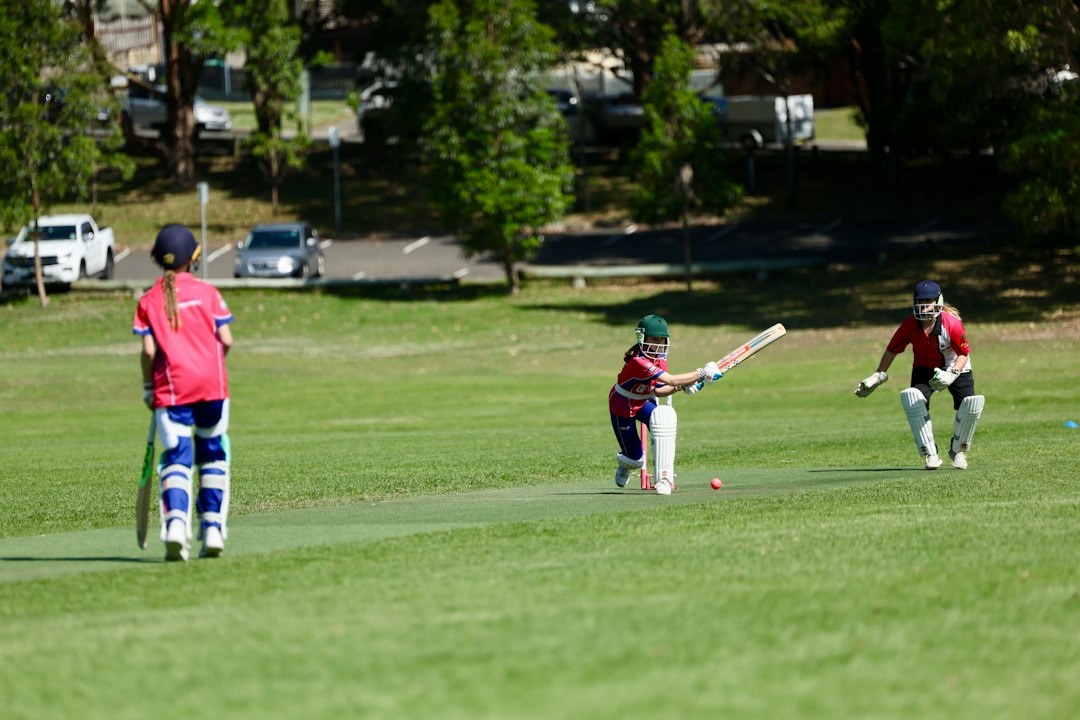
- Cricket and tennis are in their summer registration window in most states. Many clubs hold come-and-try sessions during the school holidays. Confirm session dates and any registration requirements with your local club before attending.
- Multi-sport holiday camps run across Sydney, Melbourne, Brisbane and Perth through December and January, covering sports including basketball, netball and soccer. Check providers directly for current dates and costs, as availability varies by suburb.
- Unstructured outdoor time counts. A bike ride, a swim at the local pool, or a backyard game all contribute toward the daily 60 minutes.

Finding local clubs and activities
For structured sport and activity options near you, start with activity groups on KeepActive, filtered by suburb and sport. Most listings include session times and contact details so you can reach the organiser directly before committing.
For a first visit at any club, the standard approach is to attend an open training session. Match play in a sanctioned competition usually requires registration through the relevant national system. Confirm this with the club when you contact them.
The KeepActive events calendar also lists one-off come-and-try days and school holiday sessions. These let children try different sports before signing up for a full season.