
Disclaimer: The information in this article is general in nature and is not intended to be a substitute for professional medical advice, diagnosis, or treatment. Always seek the advice of your doctor or other qualified health professional before starting any exercise programme or with any questions you may have regarding a medical condition.
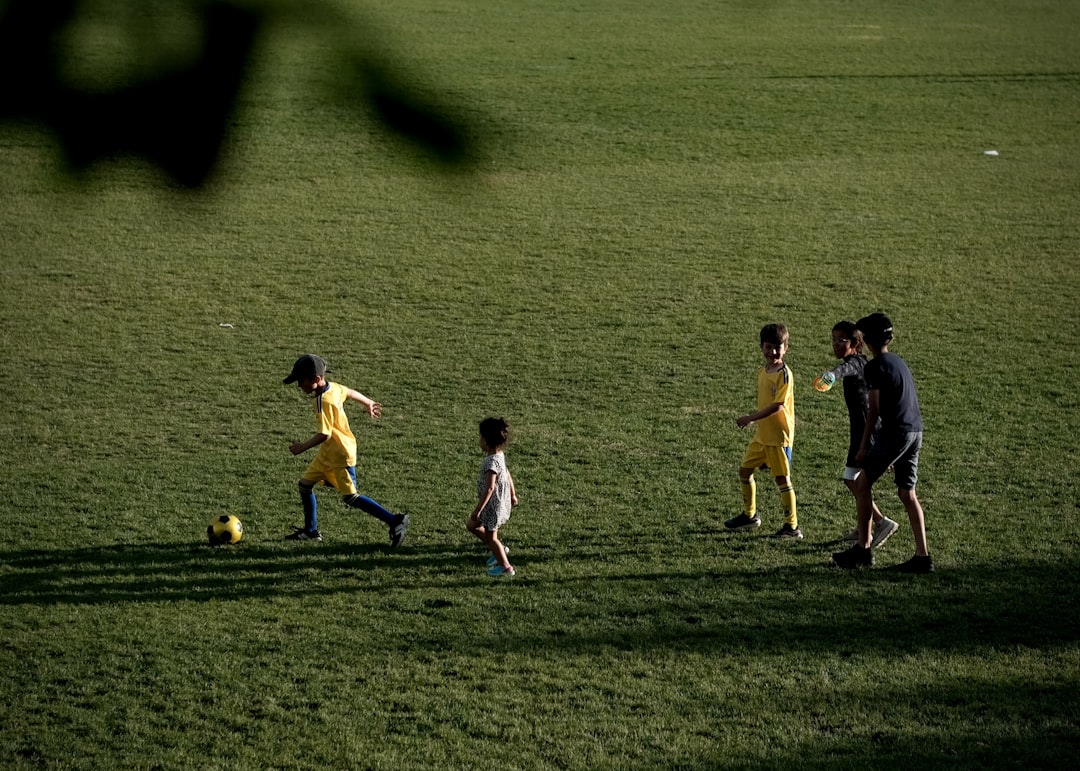
Australian children and teenagers aged 5–17 are advised to get at least 60 minutes of moderate-to-vigorous activity every day. It can add up through shorter sessions of play, travel, school and sport. A club session is one option; the whole hour does not need to be organised exercise.
The national movement guidelines also cover lighter activity, sitting, recreational screens and sleep. The activity target stays the same across this age group, while sleep recommendations change at 14. Alongside the targets, consider what your child enjoys and what makes it hard to take part.
Activity levels are lower among teenagers
In the ABS 2023 survey, children aged 5–11 averaged 84 minutes of moderate or vigorous activity a day. For those aged 12–17, the average was 40 minutes.
Participants volunteered to wear movement monitors for seven days. These figures compare age groups; they do not show how much the same children’s activity changed as they grew older. The monitors could also miss some activity when removed, such as for contact sport.
The figures cover movement across the day, not just club sport. They suggest that keeping opportunities to move through the teenage years deserves attention alongside getting younger children started.
Choosing activities that fit your child
Choose a manageable first step
The national guidance recommends building towards the targets gradually if a child is not meeting them now. Start with an activity they are willing to try, such as a short ride, a playground visit or a game with friends.
If they want organised sport, compare kids’ activities on KeepActive, then contact local clubs or instructors. Ask about beginner sessions, costs and whether a friend can come along. For older beginners, our teen sport guide covers finding a suitable first session without assuming years of experience.
Ask what makes the activity worth returning to
Enjoyment is linked with staying in organised sport. A 2017 study surveyed 327 regular sport participants, with an average age of about 13, then followed them for a year. Greater enjoyment and wanting to continue were associated with a lower chance of dropping out.
The study observed participants rather than testing a programme to prevent dropout. It supports taking a child’s experience seriously, without promising that making a session fun will keep every child involved.
The Australian Sports Commission’s enjoyment review identifies friendship, feeling included, learning skills and getting a fair chance to take part as important features. “Fun” can mean improving a skill or competing, as well as playing with friends.
After a few sessions, ask:
- What did you enjoy, and what would you like to do again?
- Did you get enough turns and help to learn?
- Who did you enjoy playing with?
- Is anything making you uncomfortable or stopping you from joining in?
Use the answers when speaking with the coach or instructor. A child who likes the sport but feels lost in a session may need help learning a skill. Ask the coach about support or another group or format.
Support the child’s interests and listen to concerns
Footballer Ellie Jones described the difference her father Brad’s support made when she faced sexist comments as a young player. In a University of Newcastle family story, she explained that he treated both daughters as footballers. His support helped her feel she belonged in sport.
The same feature describes Daughters & Dads sessions that combine shared sports practice with discussions about gender stereotypes. Ask your child which activity they would like to try together, whether that is practising ball skills or going for a ride.
If a child mentions teasing, unfair treatment or feeling unsafe, listen and raise the concern with the club’s appropriate contact. Ask who handles child-safety concerns before joining. A child should know which adult they can approach for help.
Find out what is getting in the way
A child may want to take part but find the cost, travel or timing difficult. Before adding another session, ask which part would be hardest to manage. A trial, borrowed equipment or a different session time may help; check what the organiser can offer.
Ask for the full cost, including registration, uniform, equipment and travel. Also check how often attendance is expected and whether the activity suits the child’s experience. These details help you choose something the family can keep attending.
A child with disability or a medical condition may need advice about adapting activities. The national brochure recommends consulting a health professional for additional guidance. Bring details of the activity they want to try and the help they may need.
How the daily hour can add up
Moderate-to-vigorous activity makes the heart beat faster. The hour can be split across the day, so movement before school and during breaks can contribute alongside after-school activities.
For example, a school day might include:
- 15 minutes of brisk walking on the way to school.
- 20 minutes of running games during breaks.
- 25 minutes of active bike riding after school.
That adds up to 60 minutes if those activities reach moderate or vigorous effort. These times illustrate the total; they are not a prescribed routine for every child.
Healthdirect’s activity guide describes moderate effort as activity during which a child can still talk. The talk test adds a useful distinction: at moderate effort, you can talk but cannot sing comfortably. Vigorous activity makes children puff and raises their heart rate. Fast walking, cycling and dancing can be moderate; running, skipping and swimming laps can be vigorous.
Count the time spent moving at that effort, rather than assuming every minute of a lesson or game is active. A slow walk may count as light activity rather than part of the moderate-to-vigorous hour.
Light movement through the day
The guidance also includes several hours of light activity each day. Examples include leisurely walking, helping around the house and moving around at the park. These can add up through ordinary tasks and play; they do not need separate exercise sessions.
The national guidance does not give a more exact hour total for light activity. Look for chances to move between seated activities, such as a short walk during a break.
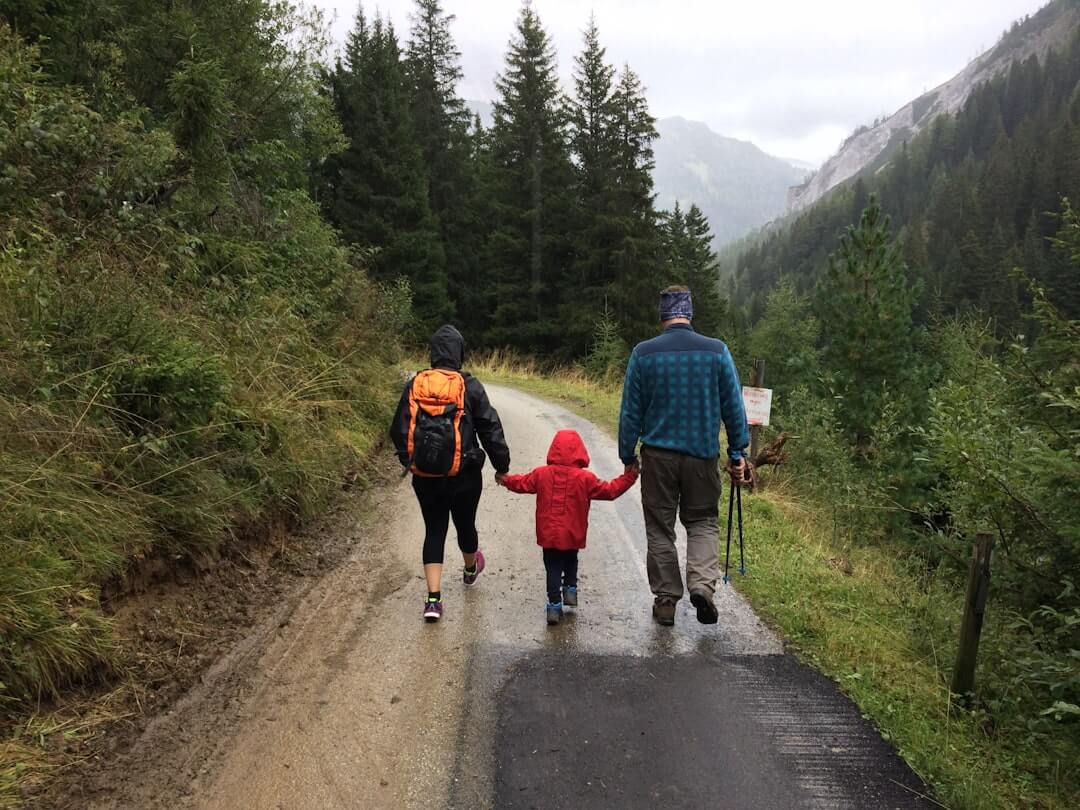
A walk as part of the school trip
Melbourne parent Jo Coleman described her family’s school walk to ABC News. She walked the final 700–800 metres to school with her daughters. They joined other children along the way in a neighbourhood walking school bus.
A shorter walking section may be an option when the whole journey is too far. Choose the route and adult supervision around your child’s skills and the traffic conditions. How hard a child is working determines whether the walk counts as light or moderate activity.
Strength and vigorous activity fit within the hour
On at least three days a week, include vigorous activity and activities that strengthen muscles and bones. These belong within the daily 60 minutes. One activity can meet more than one of these aims: running and skipping can be vigorous as well as work muscles and bones.
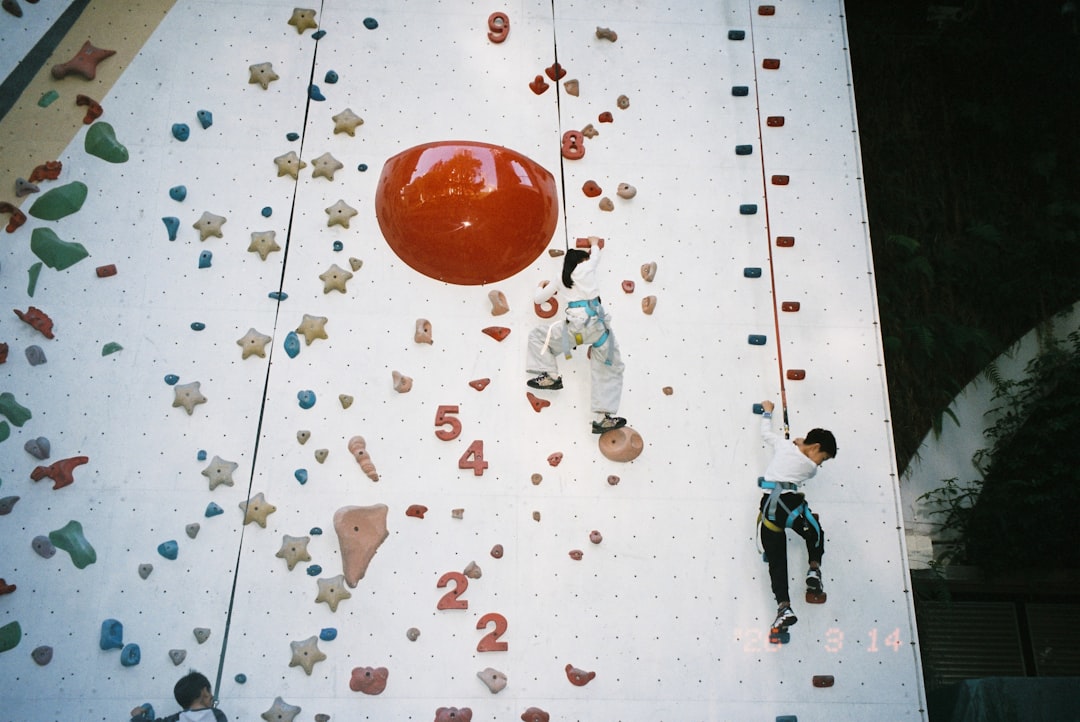
The government’s family brochure gives examples such as running, skipping, jumping, climbing and swinging on monkey bars. Strength work can also include push-ups, squats or weights. A gym membership is not required.
Choose activities that match the child’s skills and experience. Healthdirect recommends checking that children have the strength and ability for an activity. Ask a qualified instructor about suitable technique and supervision when introducing unfamiliar exercises or equipment.
For a primary-school child, climbing and skipping may fit naturally into play. A teenager might prefer running, dance or a supervised strength session. Ask what they enjoy before adding another organised activity.
Homework does not use up the recreational screen allowance
The recommendation is no more than two hours a day of leisure screen use while sitting or lying down. This includes watching videos or playing seated games. Required schoolwork is excluded.
Sydney Children’s Hospitals Network’s teen guidance includes social media and video games among leisure uses. What the child is doing matters, rather than which device they use.
Break up long stretches of sitting during homework too. The schoolwork exception applies to the screen limit, not sitting breaks.
NSW Education’s planning tips include discussing expectations, arranging time away from devices and making a schedule with your child. Agree on the plan together, including when homework finishes and what other activities they want time for.
Sleep needs change at 14
The national recommendations give two nightly sleep ranges:
- Children aged 5–13 need 9–11 hours of uninterrupted sleep.
- Teenagers aged 14–17 need 8–10 hours of uninterrupted sleep.
They also recommend consistent bedtimes and wake-up times, avoiding screens for an hour before sleep, and keeping screens out of bedrooms.
To see what this means, work backwards from the time your child needs to wake. A 12-year-old who falls asleep at 9pm and wakes at 7am gets 10 hours, within the recommended range. This is an example, not a fixed bedtime for every child. Allow time to settle before sleep rather than treating bedtime as the moment sleep begins.
Our sleep guide explains the age ranges, sleep quality and when recurring sleep problems need attention. Keep enough time for sleep when choosing evening training or other activities.