

Disclaimer: The information in this article is general in nature and is not intended to be a substitute for professional medical advice, diagnosis, or treatment. Always seek the advice of your doctor or other qualified health professional before starting any exercise programme or with any questions you may have regarding a medical condition.
Australian adults aged 18–64 are advised to do 30 minutes or more of moderate-to-vigorous activity on most days. The current adult guidelines also include strength, mobility, balance, light movement, sitting breaks and 7–9 hours of sleep.
Everyday movement counts alongside planned exercise. Some activities can meet more than one target, so you do not need a separate session for each one. Pregnancy and changes around menopause may also affect how you choose activities.
The adult recommendations at a glance
The table summarises the national movement brochure.
| Part of your routine | Recommendation |
|---|---|
| Moderate-to-vigorous activity | 30 minutes or more on most days. |
| Muscle strength | Muscle-strengthening activities on 2 or more days each week. |
| Movement skills | Activities targeting mobility, balance and coordination on 3 or more days each week. |
| Light activity | Several hours each day. |
| Sitting | Limit sedentary time and break up long periods as often as possible. |
| Sleep | 7–9 hours of good-quality sleep, with consistent bedtimes and wake-up times. |
These are general recommendations, rather than an individual exercise programme. The brochure notes that people with disability or chronic conditions may need advice suited to their circumstances.
For adults aged 65 and over, the recommended sleep range is 7–8 hours. Our seniors guide explains that age group’s guidance and research on walking ability, strength and falls.
Include the movement between workouts
Everyday tasks such as housework, gardening and walking contribute to daily activity. How hard you work determines whether they count as light or more intense activity.
Light movement can add up through the day; it does not need to be one long session. The guidance says “several hours” without setting a more exact total.
If you spend much of the day at a desk, you could walk during a break or part of your commute. Better Health Channel’s movement ideas include walking part of a journey and getting off the bus one stop early. Choose options that suit your route and abilities.
Break up long periods of sitting as often as possible, even on days when you exercise. The adult guidance does not set a daily sitting limit or a fixed time between breaks.
Judge activity by your effort
The talk test helps you judge how hard you are working:
- At light effort, you can talk and sing without puffing.
- At moderate effort, you can talk comfortably but cannot sing.
- At vigorous effort, you can say only a few words before pausing for breath.
A gentle stroll may count as light activity, while a brisk walk may reach moderate effort.
If you want a regular session with company, compare nearby walking groups by pace and duration. Ask the organiser what the session involves before deciding whether it suits your current fitness.
Movement skills and strength
The guidelines call movement skills “functional activity”. This means practising movements used in daily life. Mobility is how freely you move; balance helps you stay steady; coordination helps you control movements together.
Climbing stairs can count towards both moderate activity and movement skills.
Strength exercises and short sessions
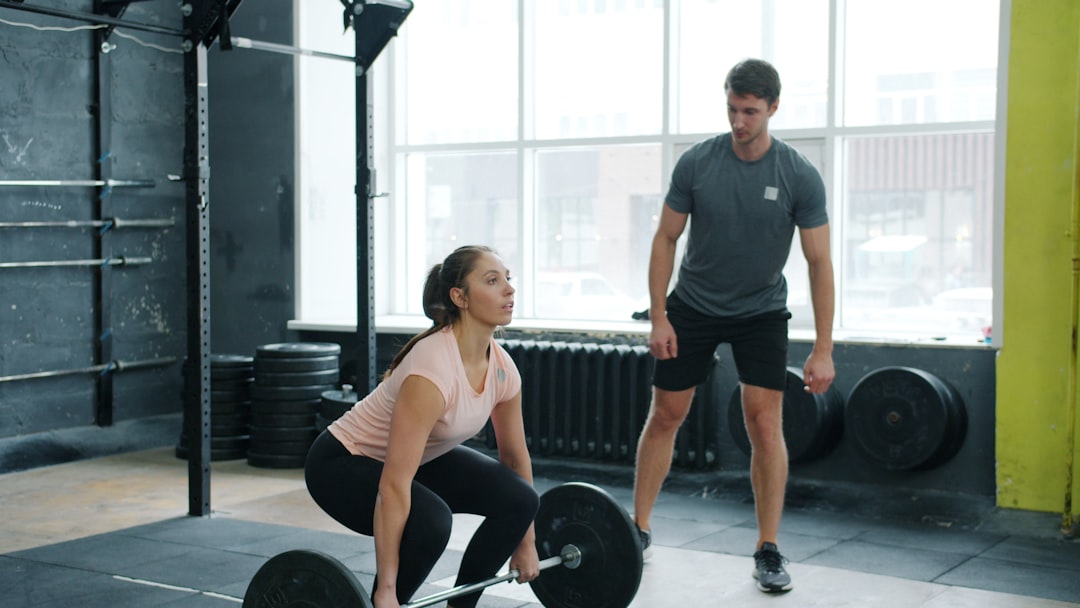
Resistance training makes your muscles work against a weight or force. It can use your body weight, resistance bands, free weights or machines. Examples include squats and push-ups, with the exercise chosen to suit your ability.
Walking does not automatically meet the strength recommendation.
If you are new to strength training, start with light weights or gentle resistance while learning the movements. A physiotherapist or exercise professional can help choose suitable exercises.
In an interview, Geelong trainer Lena Moxon described fitting short strength sessions into her week. Then 34, she said feeling able to keep up with her young son mattered more than changing her appearance.
Ask an instructor to help you choose exercises for the time you have.
Do women need different guidance at different ages?
The national recommendations apply across ages 18–64, including women. There are no separate targets for each decade. Pregnancy, menopause symptoms and individual health may affect which activities suit you.
During pregnancy and after birth
For a healthy pregnancy, the national pregnancy guidance includes 2.5–5 hours of moderate activity a week and strength work on at least two days. It also recommends daily pelvic floor exercises and links to instructions for learning the technique.
Avoid activities with a high risk of falling or collision during pregnancy. Ask your doctor about suitable exercise as pregnancy progresses and when returning after birth.
What midlife research found
Becoming active in midlife was linked with better physical health in later life in a 2024 study. This included how well women could manage physical tasks.
The study used repeated surveys from 11,336 women to examine activity patterns over 15 years. Women who consistently met activity guidelines, or began meeting them at 55, reported better later physical health than those who consistently fell short.
Women reported their own activity, and other health differences could affect the results. The study did not randomly assign women to exercise programmes or test every part of today’s 24-hour guidance. Its findings do not make 55 a deadline for starting.
Adjusting activity around menopause
In an ABC interview, exercise scientist Mandy Hagstrom explained that women with joint pain may need to change particular exercises. She also advised trying different activities to find ones you enjoy.
Our menopause article explains what research found about mood and quality of life. The studies do not establish how much exercise would treat symptoms. If symptoms affect your activity, discuss suitable changes with a health professional.
Review a day, then check the week
Write down yesterday’s activities and sleep, then compare them with the table:
- Which activity made you breathe harder, and how long did it last?
- Where did light movement happen, and when did you sit for long stretches?
- Which days included strength work and practice for mobility, balance and coordination?
- How much sleep did you get, and were your bed and wake times consistent?
A Monday example
Suppose Monday includes a 30-minute walk at moderate effort, a strength session and some stair climbing. You could record:
- The walk contributes to that day’s moderate-to-vigorous activity.
- The strength session counts as one day towards the recommendation of at least two days a week.
- The stairs count as one movement-skills day towards the recommendation of at least three days a week. They may also count as moderate activity.
You would also record light movement, sitting breaks and sleep. Monday’s example does not cover a full weekly routine.
The guidance says to do moderate-to-vigorous activity on “most days”, without naming a fixed number.
Keep enough time for sleep
The 24-hour approach recommends replacing sedentary time with movement while maintaining enough sleep. Our sleep guide explains the adult range, sleep quality and signs that a recurring problem needs attention.
If you need help choosing suitable activities, bring your notes to a health professional. Explain what you currently do and which movements you find difficult.