
Disclaimer: The information in this article is general in nature and is not intended to be a substitute for professional medical advice, diagnosis or treatment. Always seek the advice of your doctor or another qualified health professional before starting any exercise programme or if you have concerns about your health.
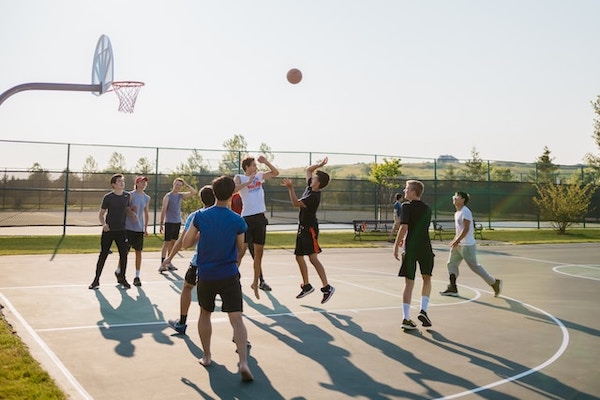
It’s 7:40 on a Tuesday night and the ball feels enormous in your hands. The last time you played was a school PE class two decades ago. The other nine people on the court range from a teenager who clearly trains to a bloke in cargo shorts catching his breath near the free-throw line. Nobody is recording your stats. Nobody cares that your first shot hits the side of the backboard.
This is social basketball, and it’s one of the easiest team sports in Australia to return to as an adult. You don’t need a club, a coach or even a full team. You need a pair of court shoes, a postcode and the willingness to turn up once.
Basketball is booming in Australia
If it feels like basketball is everywhere lately, you’re not imagining it. Basketball Australia says around 1.3 million Australians now play the sport, making it the country’s second-largest team participation sport behind football and the fastest-growing.
Women’s participation has increased by 25% since 2022, helped by initiatives such as She Hoops. More than 350,000 children aged between five and fourteen play regularly, which often means parents discover there’s an adult competition happening in the same stadium later that evening.
David Simpson, Basketball Australia’s Executive GM of Member Relations and Game Development, has attributed much of the growth to basketball’s accessibility. Games are relatively short, the sport is played indoors throughout winter and people from almost every age and cultural background can find somewhere to play.
The biggest challenge isn’t interest. It’s court space.
The popularity of basketball has created a new problem. Courts are filling faster than they can be built.
Basketball NSW’s Infrastructure Strategy estimates the state alone needs more than 330 additional indoor courts over the next decade to keep pace with demand. Many associations are expanding competitions, adjusting schedules and making the most of every available venue.
The challenge for basketball isn’t convincing people to play. It’s finding enough courts for everyone who wants to.
That doesn’t mean beginners should be discouraged. In fact, many associations actively welcome new adult players into weeknight social competitions where there is often more flexibility than junior programs.
Start with a come-and-try session
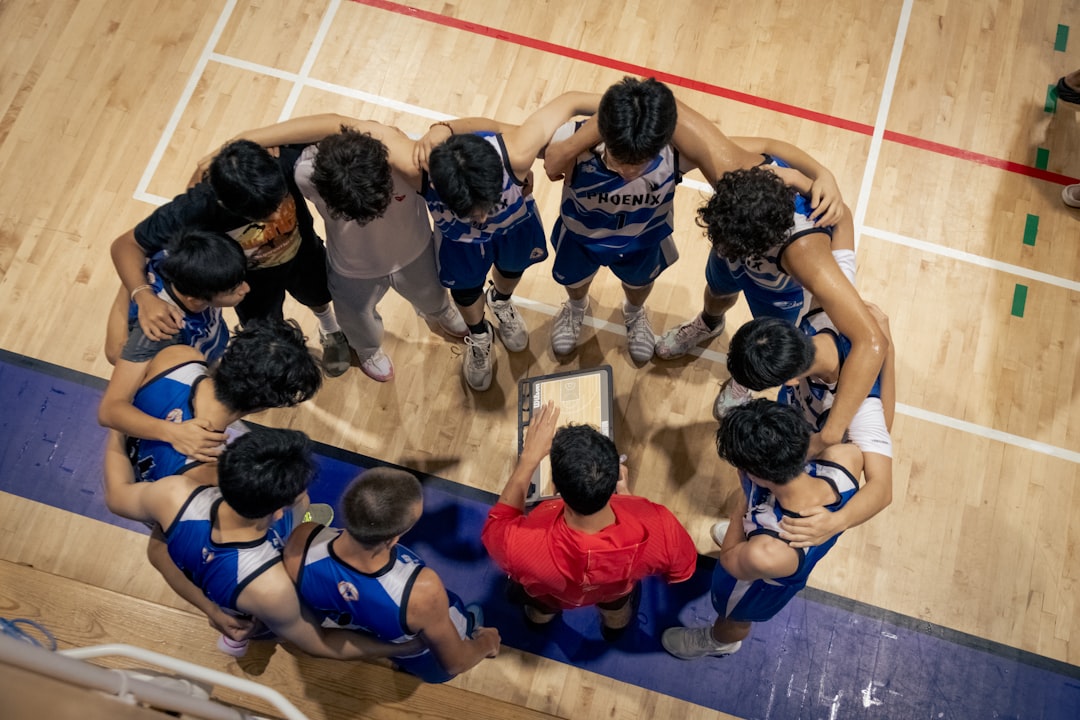
The easiest way to begin isn’t signing a season contract. It’s attending a beginner or come-and-try session.
Many local associations run informal sessions where newcomers can meet organisers, learn the basics and play a casual game before committing to a competition.
A simple starting point is to browse basketball clubs and associations on KeepActive. Contact a few within a comfortable driving distance and ask:
- Do you run beginner or come-and-try sessions?
- Do you have openings for individual players in a social competition?
You’ll often find at least one association with a suitable option.
For example, the Mornington Peninsula Basketball Association has previously run its free B-All-In program, helping women learn the game in a welcoming environment before progressing into competitions. Similar introductory programs appear throughout Australia at different times of the year.
How basketball competitions work in Australia
Most organised competitions operate through state basketball associations such as Basketball Victoria, Basketball NSW and Basketball Queensland, all working alongside Basketball Australia.
Each local association manages its own competitions, divisions, fees and schedules. That means the experience is similar around Australia, but registration dates, game nights and costs can vary depending on where you play.
Do you need to register through PlayHQ?
Competitive basketball across Australia generally uses PlayHQ as its national registration platform.
If you’re playing in an organised domestic competition you’ll usually register and pay your participant fees through PlayHQ before taking the court.
Come-and-try sessions and casual introduction programs are often different. Many allow you to attend without completing a full registration beforehand. If you plan to fill in as a substitute player, check with the association first because requirements differ between competitions.
If you don’t already have a team, don’t worry. Many associations accept individual registrations and place solo players into existing teams that need extra players.
How much does social basketball cost?
Costs vary between associations, but beginners are often pleasantly surprised.
- Come-and-try sessions are frequently free.
- Season registration usually includes Basketball Australia and state association membership.
- Many social competitions charge weekly game fees, often around the cost of one or two coffees.
- You can usually start with sports clothing and non-marking court shoes before investing in any specialised gear.
Always check current pricing directly with your local association before registering.
What is a typical social basketball competition like?
Most adult competitions run on weeknights, with mixed, men’s and women’s divisions available depending on the association.
Many seasons run for around twenty weeks with separate summer and winter competitions. Associations such as Brisbane Basketball, Darebin Basketball in Melbourne and Willetton Basketball Association in Perth all offer social competitions, although formats and schedules differ.
If you’re joining by yourself, some organisations such as Sydney Social Basketball also help place individual players into teams.
Most competitions have multiple grades. If you’re returning after years away or have never played organised basketball, simply tell the association when registering. They’ll usually recommend the most suitable division.
Frequently asked questions about social basketball
Am I too old to start?
Not at all. Adult social competitions often include players from their twenties through to their sixties. Divisions are generally organised by ability rather than age.
Can I join if I’ve never played before?
Yes. Many players are complete beginners or are returning after many years away from the game.
Do I need my own basketball?
Usually not for your first session. Many associations provide basketballs during beginner or come-and-try programs.
What should I wear?
Comfortable sports clothing and non-marking indoor court shoes are normally all you need.
Can I register without a team?
Yes. Many associations regularly place individual players into teams that need extra people.
Give your body a chance to catch up
If you haven’t exercised for a while, spend five to ten minutes warming up before playing. Basketball involves jumping, quick changes of direction and short bursts of sprinting, so gradually building your fitness can reduce your risk of injury.
Sports Medicine Australia and the Australian Institute of Sport both provide useful information about warming up safely and returning to sport after time away.
Basketball also offers opportunities beyond traditional competitions. Australia has one of the world’s strongest wheelchair basketball programs, with many clubs providing inclusive pathways for players of different abilities.
Your first game probably won’t be your best. That’s perfectly normal.
You’ll probably miss easy shots. You’ll get puffed quicker than expected. Someone will encourage you after an awkward turnover because almost everyone on that court remembers their own first game.
The hardest part isn’t learning basketball. It’s walking through the stadium doors that first night.
By your third or fourth week you’ll probably know everyone’s first name, someone will remind you not to forget next Tuesday’s game, and you’ll wonder why you waited so long to give it another go.
If you’re ready to start, find a basketball group near you or browse basketball venues across Australia and contact a few associations this week. A short email asking about beginner sessions might be all it takes to get back on the court.