Tennis for Beginners: A Guide to Getting Started

Kunal Kalra - profile photo
By - Published
Tennis for Beginners: A Guide to Getting Started

Tennis is a sport that transcends age barriers, offering a fun and rewarding experience for beginners of all ages. Whether you're picking up a racket for the first time or getting back into the swing of things after a break, embarking on your tennis journey can be an exciting adventure. Here are some simple tips to help you kickstart your tennis journey, from finding coaches to exploring cardio tennis:

Find a Coach

A good coach can make all the difference in your tennis journey, whether you're a novice or looking to sharpen your skills. Look for certified coaches in your area who offer beginner-friendly lessons. A tennis coach can provide personalised instruction, help you develop proper techniques, and offer encouragement along the way.

Check Your Equipment

Having the right equipment is crucial for a comfortable and enjoyable tennis experience. Start with a suitable tennis racket that matches your playing style and skill level. If you're on a budget, consider looking for sports discounts or browsing second-hand equipment on platforms like Facebook Marketplace and eBay. However, when purchasing a racket, make sure it's suitable for you and specifically designed for beginners. Seek advice from your coach or a knowledgeable tennis player to ensure you're getting the right equipment for your needs. Additionally, don't forget about proper footwear – invest in tennis shoes that offer support and stability on the court. Proper equipment can significantly enhance your performance and enjoyment of the game, so take the time to choose wisely

a tennis
racket and ball in hands of player with a tennis net in the
foreground

Explore Local Clubs

Joining a tennis club is a fantastic way to immerse yourself in the sport and connect with fellow players. Many clubs offer a range of amenities, including courts, coaching services, and social events. Take the time to visit different clubs in your area and find one that suits your preferences and budget. Look for clubs that offer beginner-friendly programs and opportunities to socialize with other players. You can search for nearby tennis clubs on KeepActive.

Engage in Socials

Tennis is not just about hitting balls; it's also about building friendships and enjoying the camaraderie of fellow players. Keep an eye out for social tennis events organised by your club or local tennis community, such as mixers, round-robin tournaments, or casual tennis socials. These gatherings provide a relaxed environment to practice your skills, meet new people, and have fun on the court.

Consider Cardio Tennis

Cardio Tennis is a fitness program that combines tennis drills with cardiovascular exercise, set to music. It's a fun and energetic way to improve your fitness levels while honing your tennis skills. Cardio Tennis sessions are inclusive and suitable for all ages and fitness levels, making them a great option for beginners looking to get in shape while enjoying the sport.

Avoiding Tennis Injuries

While tennis offers numerous health benefits, it's important to take precautions to prevent injuries and ensure a safe playing experience. Here are some tips to help you avoid tennis-related injuries:

  1. Warm-Up Properly: Warm up your muscles and joints before engaging in intense tennis activity. Start with some light aerobic exercises, followed by dynamic stretches to prepare your body for the physical demands of the game.Assess Your Health: Before hitting the court, assess your overall health and fitness level. Avoid playing tennis if you have a pre-existing illness or injury. If you're unsure whether it's safe to play, consult with a doctor or healthcare professional.

  2. Maintain Fitness: Maintain an adequate level of fitness through conditioning and training exercises tailored to the specific demands of tennis. Focus on strengthening your core muscles, improving flexibility, and enhancing agility to reduce the risk of injury.

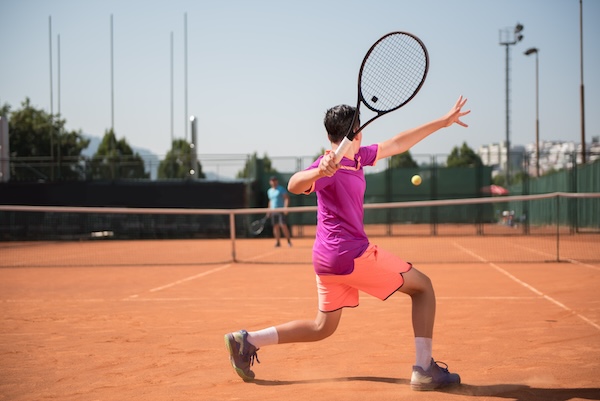
  3. Practice Correct Technique: Proper technique is essential for preventing injuries in tennis. Ensure that you're using correct form when executing strokes and movements to minimize strain on your muscles and joints. If you're unsure about your technique, consider seeking guidance from a qualified coach.

a
player returning a backhand shot with their doubles partner in
the background

Health Benefits of Tennis

Tennis is not just a sport; it's a comprehensive workout that offers numerous health benefits for both body and mind. Here are some of the key health benefits of playing tennis:

  1. Improved Cardiovascular Health: Tennis is a high-intensity aerobic activity that can significantly increase your aerobic capacity, leading to improved heart health, lower resting heart rate, and reduced blood pressure.

  2. Enhanced Metabolic Function: Regular tennis play can boost your metabolic function, helping your body efficiently process nutrients and regulate energy levels.

  3. Increased Bone Density: The weight-bearing nature of tennis helps promote bone health and density, reducing the risk of osteoporosis and bone-related injuries.

  4. Body Composition: Tennis helps lower body fat and build lean muscle mass, leading to improved muscle tone, strength, and flexibility.

  5. Enhanced Reflexes and Coordination: Tennis requires quick reflexes, agility, and hand-eye coordination, which can improve your reaction times and overall motor skills.

  6. Social and Psychological Benefits: In addition to physical fitness, tennis provides numerous social and psychological benefits. It's a great way to meet people, make friends, and spend quality time with others. Playing tennis can also help reduce stress, improve mood, and boost mental well-being.

Remember, Age is Just a Number

Whether you're a child, a teenager, a young adult, or a senior, it's never too late to start playing tennis. Tennis is a sport that can be enjoyed at any age, offering numerous physical and mental benefits. So don't let age hold you back – embrace the opportunity to learn, grow, and have fun on the tennis court!

Starting your tennis journey as a beginner or returning player is an exciting endeavor filled with possibilities. By finding a coach, checking your equipment, exploring local clubs, engaging in socials, and considering cardio tennis, you'll be well-equipped to embark on a rewarding tennis adventure. So grab your racket, hit the court, and enjoy the thrill of playing tennis – it's never too late to get started!

Unlike some sports that may be more dependent on youth or strength, tennis is a sport that you can enjoy for a lifetime. Whether you're a child, a teenager, an adult, or a senior, tennis is accessible to individuals of all ages and skill levels, making it a versatile and inclusive activity.

Suggested articles

Get Active for Less: The Changes Proposed to Make Fitness More Affordable in Australia

Get Active for Less: The Changes Proposed to Make Fitness More Affordable in Australia

1 month ago

With the cost of living biting hard, getting active can feel like the last thing you can afford. But a bold new proposal from Australia's peak fitness body could be about to change that — with $500 family vouchers for gyms and studios, tax-free gym perks through your employer, and even the ability to get a referral to a personal trainer from your GP. Here's what's on the table in the 2026 Federal Budget — and why it matters for every Australian trying to get moving.

Can an E-Bike Be the Key to Your Fitness Journey?

Can an E-Bike Be the Key to Your Fitness Journey?

1 month ago

If you’ve ever felt that traditional cycling was too demanding or that injuries were holding you back from staying active, you aren’t alone. A recent qualitative study on the NZ HIKO e-bike programme highlights how electric bikes are acting as a powerful "circuit breaker" for inactivity. By reducing the physical strain on joints and making hills manageable, e-bikes are helping people manage chronic conditions like Type 2 diabetes and arthritis while providing a significant boost to mental wellbeing. Discover how this "power-assisted" movement is making fitness more inclusive, social, and achievable for Australians of all fitness levels.

Stronger Together: Why Social Connection is the Secret Ingredient to Staying Active

Stronger Together: Why Social Connection is the Secret Ingredient to Staying Active

1 month ago

New research reveals that for older adults, physical health and social circles are two sides of the same coin—offering a powerful strategy to fight loneliness while staying fit. Recent findings suggest that treating strong social networks and physical activity as "inextricably linked" can dramatically improve well-being, yet nearly 57% of Australians over 65 still struggle to meet daily activity guidelines. From the motivating power of a local walking group to the "social glue" of community events, discover why finding your community is the most effective medicine for a healthier, more connected lifestyle.

The Resolution Trap: Why ‘All-or-Nothing’ is the Enemy of Consistency

The Resolution Trap: Why ‘All-or-Nothing’ is the Enemy of Consistency

2 months ago

The "New Year, New Me" energy is a powerful motivator, but it often comes with a hidden trap: the all-or-nothing mindset. Many of us start January with rigid fitness resolutions, believing that if we can't commit to a full hour at the gym or a high-intensity session, it’s not worth doing at all. However, groundbreaking research reveals that this psychological rigidity is exactly why most resolutions fail by February. To make 2026 the year your fitness goals actually stick, you need to swap "perfection" for "flexibility." From embracing micro-workouts to finding accountability in local community sports groups, learn how to reframe your thinking and stay active for the long haul—even when life gets in the way.

More Than Just a Walk: How Outdoor Groups Build Community for CALD Women

More Than Just a Walk: How Outdoor Groups Build Community for CALD Women

2 months ago

Beyond the physical benefits of exercise, getting outdoors provides a vital pathway for social connection and cultural exchange. Drawing on the 2025 SAFE research by RMIT University, we explore how community-led outdoor groups are helping women from culturally and linguistically diverse (CALD) backgrounds overcome barriers to participation. From reducing isolation to building leadership skills, discover how inclusive sports and nature-based activities are redefining what it means to belong in the Australian outdoors and how local clubs can create more welcoming spaces for everyone.

Looking to get active?

Here is a few options to explore: