

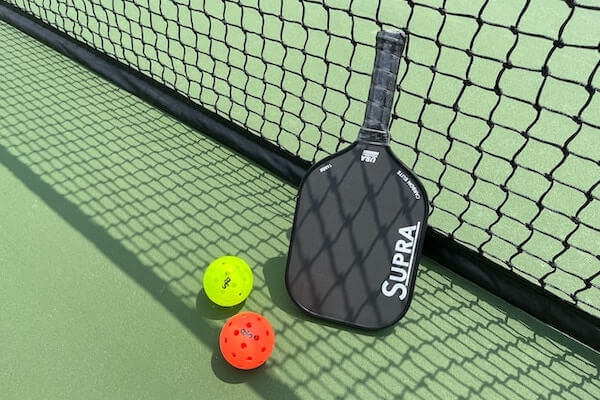
Pickleball,
a sport that blends elements of tennis,
badminton,
and table
tennis, is gaining
popularity for good reason—it offers a wide array of health
benefits. Beyond being a fun and social activity,
pickleball can improve cardiovascular health, help manage weight,
enhance mental wellbeing, and provide a low-impact form of
exercise suitable for all ages and fitness levels.
Cardiovascular Health
One notable advantage is pickleball's positive impact on cardiovascular health. Engaging in a game of pickleball can elevate your heart rate to around 70% of its maximum, a level that is highly beneficial for your heart. This sustained activity not only strengthens the heart muscle but also enhances circulation, reducing the risk of heart disease. Additionally, regular pickleball play can contribute to lower blood pressure and cholesterol levels, further bolstering your cardiovascular well-being. Incorporating pickleball into your routine is not only enjoyable but also a smart choice for maintaining a healthy heart.
Physical Fitness
Pickleball is not just a fun game; it's also a highly effective
workout that offers a range
of benefits for your physical fitness. This sport engages
various muscle groups, enhancing your balance, agility, and
reflexes as you move around the court. With its fast-paced nature,
pickleball provides a great cardiovascular workout, helping to
boost your endurance over time. Additionally, the repetitive
nature of the game can contribute to increased muscle strength,
particularly in the arms, shoulders, legs, and core. By
incorporating pickleball into your fitness routine on a regular
basis, you can enjoy these benefits while having a great time on
the court.
Weight Management
Weight management is another significant benefit of playing
pickleball. This sport's mix of aerobic
and anaerobic
activities makes it an effective calorie-burning exercise that can
boost metabolism. Regularly playing pickleball can help you
maintain a healthy weight, which is essential for preventing
conditions such as diabetes and hypertension that are linked to
obesity. By incorporating pickleball into your fitness routine,
you can enjoy an engaging way to manage your weight and improve
your overall health.
Mental Health
Physical activity is known to boost mental health, and pickleball is no exception. Regular exercise releases endorphins, which are natural mood lifters. Playing pickleball can reduce stress, anxiety, and symptoms of depression. The social aspect of the game also plays a significant role in enhancing mental wellbeing. Interacting with other players, enjoying friendly competition, and being part of a community can all contribute to a positive mental state.
Social Engagement
Pickleball is a social sport that can help combat feelings of loneliness and isolation. It provides opportunities to meet new people and develop friendships. The community aspect of pickleball can lead to a sense of belonging and support, which is essential for mental health.
Low-Impact Exercise
One of the great things about pickleball is that it's a low-impact sport. This makes it accessible to people of all ages and fitness levels, including those with joint issues or other physical limitations. The game’s lower impact on joints compared to other sports like running or basketball means you can enjoy a vigorous workout with a reduced risk of injury.
Lifelong Fitness
Pickleball is a sport that can promote lifelong fitness. Whether
you're a young beginner or a seasoned athlete, pickleball provides
a fun and engaging way to stay active throughout your life. This
inclusivity and versatility make pickleball a valuable tool for
maintaining your health and fitness over the long term.
Conclusion
Pickleball offers a multitude of benefits for both physical and
mental health, making it more than just a fun game. This sport
provides a great cardiovascular workout, improves physical
fitness, and enhances balance and agility. Additionally,
pickleball can boost mental wellbeing by reducing stress and
anxiety levels and improving overall mood. Its social nature
fosters connections with others, enhancing social engagement and
potentially reducing feelings of loneliness. So, whether you're a
seasoned player or just starting, pickleball is a fantastic way to
improve both your body and mind. Grab a paddle, hit the court, and
enjoy the many benefits this sport has to offer!
Looking for a Pickleball Social Group?
If you are looking for a pickleball
group or social, try our actvitities search.
Here is a few searches to get you started: Pickleball
in Melbourne, Pickleball
in Brisbane, Pickleball
in Sydney.
Sources
- New Apple research highlights the health benefits of pickleball: Apple Heart and Movement Study
-
Cerezuela JL, Lirola MJ, Cangas AJ. Pickleball and mental health in adults: A systematic review. Front Psychol. 2023 Feb 21;14:1137047. doi: 10.3389/fpsyg.2023.1137047. PMID: 36895753; PMCID: PMC9988900.