

Disclaimer: The information in this article is general in nature and is not intended to be a substitute for professional medical advice, diagnosis, or treatment. Always seek the advice of your doctor or other qualified health professional before starting any exercise programme or with any questions you may have regarding a medical condition.
Julie Dickson tried a female-only gym after exercise at home became isolating and repetitive. In a boxing class, the instructor changed an exercise to suit her short stature. Staff later adapted other exercises, and Dickson moved into strength training and para-powerlifting.
Her experience points to a useful rule. Choose a gym that makes it easier to return. The trip matters, but so do enjoyment, clear help and a feeling that you can take part.
The evidence is most useful as a list of things to test during a trial.
Start with the trip you will make each week
A gym can be nearby and still be awkward to reach. Traffic, parking or a trip home for clothes can make the trip harder.
A San Diego survey of 2,053 adults linked nearby paid facilities with more frequent exercise. It could not show that distance caused the difference.
Yet a Rio programme of 796 members found no link between distance and attendance. Flexible hours and service quality may have mattered more.
Together, these studies suggest there is no perfect kilometre limit. Test the whole trip in your own week. A gym beside work may be easy on office days and useless when you work from home.
Use the KeepActive venue directory to make a shortlist. Visit each option when you plan to train. Time the trip from your door to the start of your session.
Choose an activity you enjoy
Dickson did not stay with the home routine she disliked. Her gym gave her a way into boxing, then strength training.
A year-long study followed 250 new members across 25 fitness clubs. Enjoyment had the strongest link with exercising at least twice a week. Confidence and social support were also linked with attendance.
The study found links, not cause and effect. Still, it gives enjoyment a useful place in the decision.
Curtin University researcher Cecilie Thøgersen-Ntoumani told ABC that guilt and social pressure can prompt people to join. Self-chosen reasons are more helpful for staying active.
During a trial, do the activity you plan to repeat. Try a real class or use the weights area at your normal time. Do not judge the gym from a tour alone.
The best trial tests an ordinary session at an ordinary time.
Check how staff build confidence
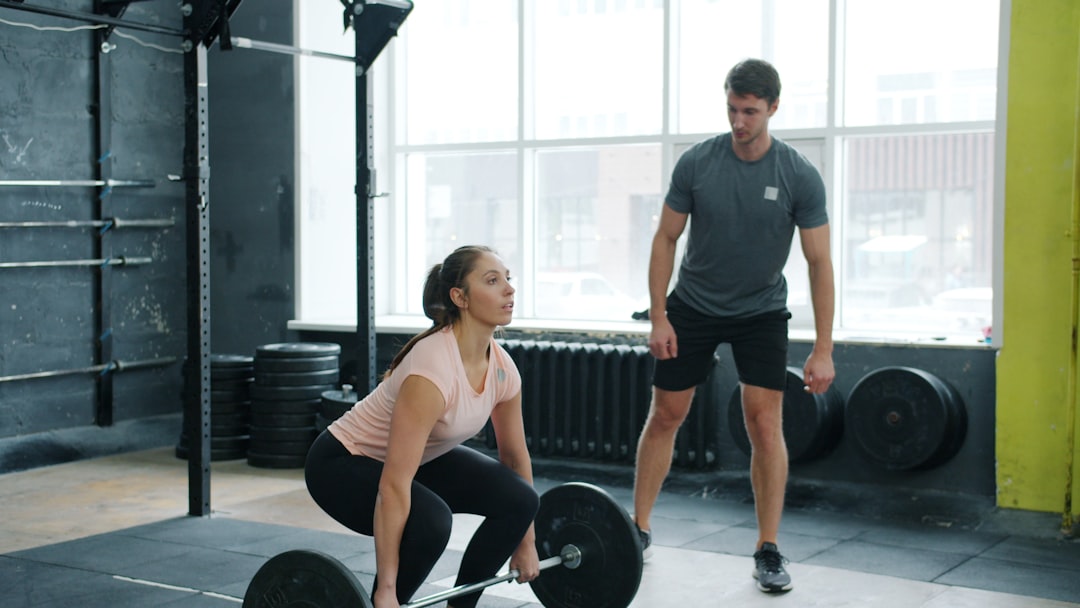
Dickson's instructor did not make her work around an unsuitable exercise. The instructor changed it. That response helped her take part in the class.
A six-month study of 202 gym-goers linked coach behaviour, enjoyment and personal motivation with exercise commitment. It was observational, so it could not prove that coaching prevented people from leaving.
Ask what the induction includes and who can help after it ends. Watch how staff answer basic questions and change an exercise. AUSactive says registered professionals need a recognised qualification, current first aid and CPR.
Notice who can take part
A welcoming gym will not look the same to everyone. For some people, clear communication matters as much as the equipment.
ABC reported on Sign and Us, a gym in Slacks Creek, Queensland, which ran Auslan classes. Deaf and hard-of-hearing members could understand coaches, follow sessions and talk after class.
Visit during your planned hours. Can you hear or see the instructions? Are exercise changes offered without fuss? Check whether the crowd, music and lighting work for you.
Plan for the week you miss
Even a good gym will not give you a perfect attendance streak. The useful question is how easy it feels to return.
A large Nature experiment tested 54 digital programmes with 61,293 American gym members. A small reward for returning after a missed planned workout worked best during the four-week test.
Most effects did not last after the programmes ended. Reminders and rewards can support a return, but they do not create a lasting routine by themselves.
That routine may take longer than a few weeks. Research using more than 12 million attendance records found that gym habits usually took months to form.
Ask what happens after a member misses two weeks. A booking, reminder or friendly check-in can make the next visit clear.
Check the contract after the routine
A long contract can look like motivation. Thøgersen-Ntoumani told ABC that paying upfront may help in the short term. It cannot make an awkward trip or an unsuitable class easier.
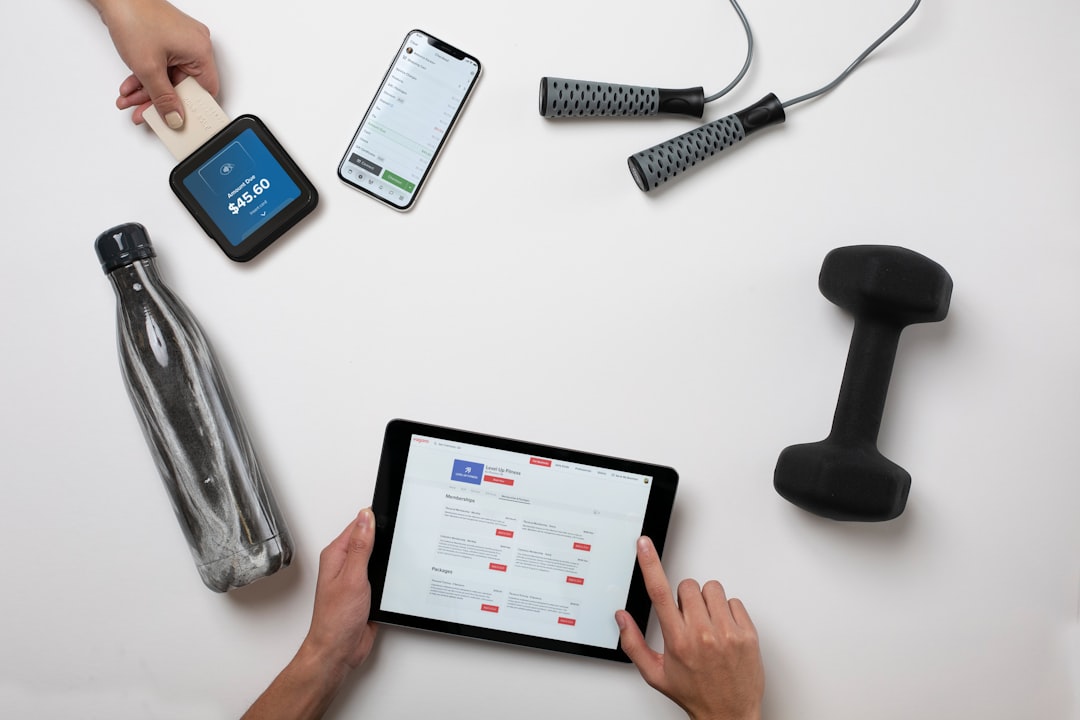
Compare prices after testing the routine. Add joining fees, class charges and notice-period payments. The ACCC warns that no contracts can mislead when termination conditions or later payments still apply.
Ask for the terms in writing. Check the minimum period, cancellation method, notice period, freeze rules and total price.
Run a normal-week trial
A trial is useful only if it resembles your planned membership. Complete two or three normal visits if the offer allows it.
Include one busy period. A quiet mid-morning tour will not reveal the evening queue for racks, machines or showers.
- Trip: How long does the complete visit take at your planned time?
- Activity: Is there a session you want to repeat?
- Timetable: Do useful classes or staff hours match your week?
- Confidence: Can you get clear instruction and suitable exercise changes?
- Setting: Do the crowd, noise and lighting work for you?
- Return: Do bookings, reminders or staff make the next visit clear after a gap?
- Contract: Do you understand the total cost and exit terms?
Ignore a sauna you will never use or 24-hour access when you train after work. Focus on the trip, activity and staff you will meet.
If two gyms remain, ask: exactly when will I come back next week? Choose the place where that visit requires fewer decisions.