
It's 6:40 on a Tuesday in Marrickville. The kettle is on. The new wristband on the kitchen counter is lighter than a teabag and doesn't have a screen, and that, the company hopes, is the point.
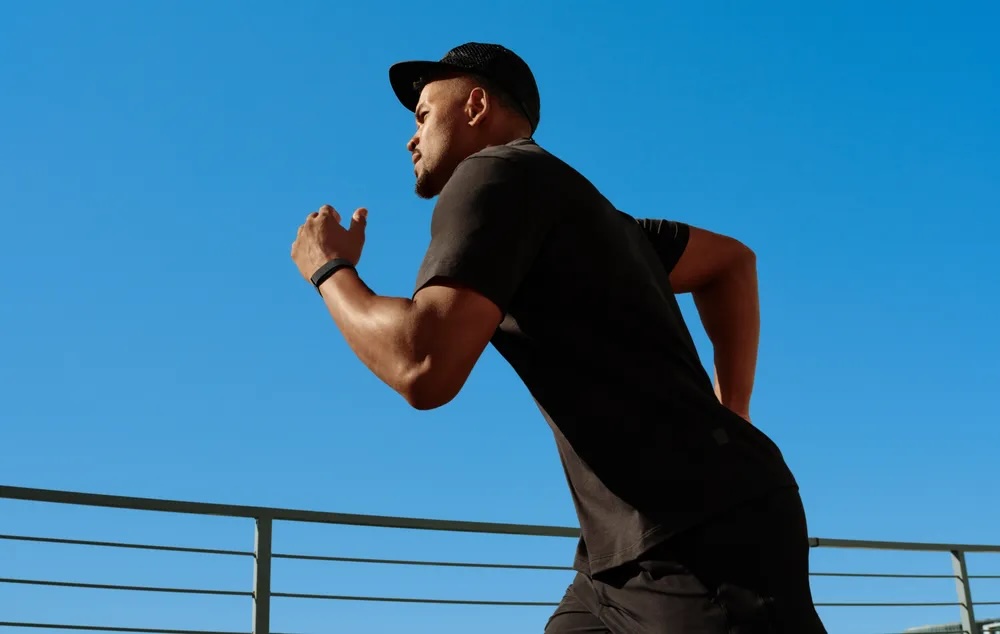
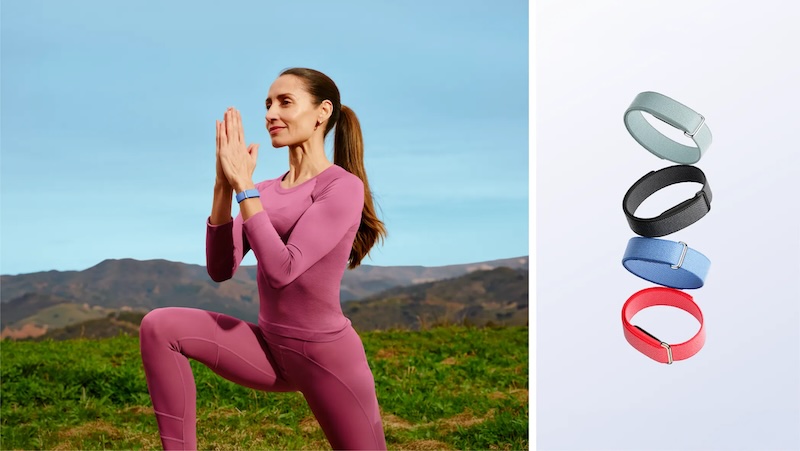
Google's Fitbit Air goes on shelves across Australia on 27 May 2026 at $199 from JB Hi-Fi, Harvey Norman, OfficeWorks, Telstra and the Google Store. It's the smallest Fitbit yet: a screenless pebble that buckles to your wrist, runs seven days on a charge, and pushes everything to the Google Health app on your phone. No watch face. No notifications. No tap-to-pay.
If you've ever bought a smartwatch, worn it for a fortnight and put it in a drawer, that minimalism is aimed squarely at you. The question worth asking before the credit card comes out isn't whether the Fitbit Air is a good gadget. It's whether any tracker, on its own, will get you walking more, and what the research actually says about that.
Back to basics, on a 7-day battery
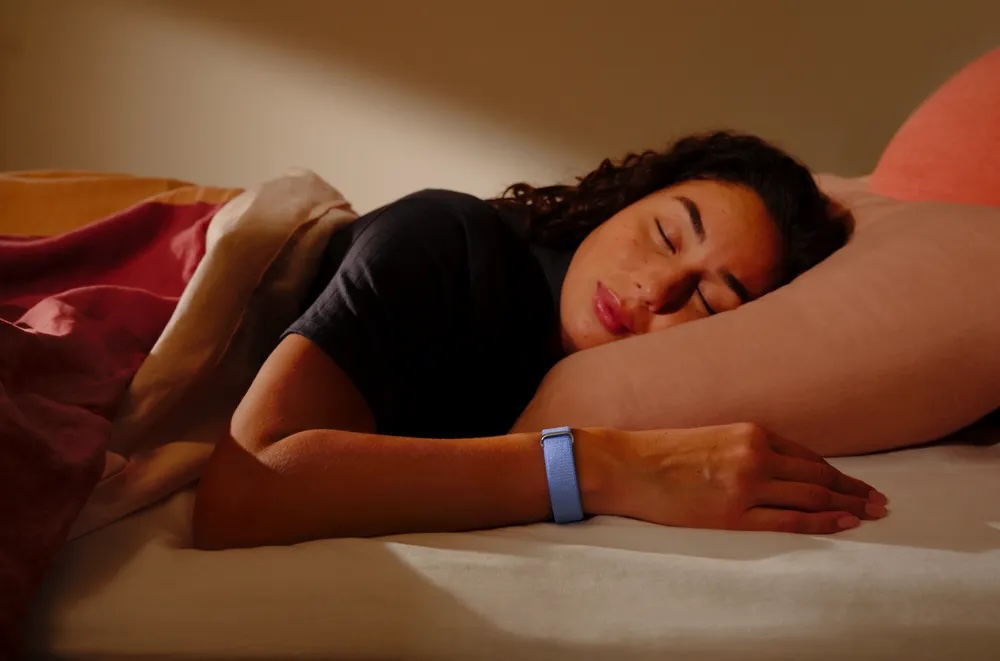
The Fitbit Air is what the wearables industry calls a screenless tracker, closer to a Whoop strap than a Pixel Watch. It tracks heart rate around the clock, flags atrial fibrillation, measures heart rate variability and SpO2, logs sleep stages, and detects workouts automatically. Google says a five-minute charge gets a full day of battery. Pairing requires Android 11+ or iOS 16.4+, and the deeper insights (coaching, trend analysis) sit behind a Google Health Premium subscription after the three-month trial.
The pitch is comfort and unobtrusiveness. Without a screen, there's nothing to glance at, charge nightly or unlock. You wear it, walk, sleep, and check in on your phone whenever you feel like it.
Pace matters more than the gadget
The most useful Australian research on what actually changes when you start tracking your steps doesn't come from a tech company. It comes from the Charles Perkins Centre at the University of Sydney.
In 2022, Professor Emmanuel Stamatakis and colleagues published the largest objective study of step count and health outcomes: 78,500 UK adults wearing wrist accelerometers, tracked for seven years. Every additional 2,000 daily steps was associated with an 8 to 11 per cent lower risk of premature death, up to about 10,000. Even 3,800 steps a day was associated with a 25 per cent lower risk of dementia, Associate Professor Borja del Pozo Cruz noted in the same write-up.
But the headline finding sat in the fine print. The pace of those steps mattered just as much as the count. A faster walk, what Stamatakis calls a power walk, was independently linked to better outcomes for heart disease, cancer, dementia and mortality.
The tracker is a nudge. The activity is what actually changes you.
That's the part the Fitbit Air can't sell you. A wristband that counts steps will tell you that you did 6,400 yesterday. It won't tell you whether you walked them like you were late for a bus or like you were waiting for one.
But one in three trackers ends up in a drawer
There's a quieter finding from the same research literature. A systematic review of wearable activity trackers found roughly 30 per cent of fitness tracker users abandon the device, often within months. People stop because they break, get bored, miss their goals, or, most often, because they get busy and stop being active, then feel guilty looking at the data.
That's the real thing the Fitbit Air is up against. Not Apple Watch. Not Whoop. Just the human pattern of buying a thing, using it for a fortnight, and forgetting the charging cable exists.
The Air's design choices push against this. No screen means no flat-battery anxiety, no notification fatigue, no daily charge. Seven days between top-ups is roughly the difference between "another thing to remember" and "something you forget you're wearing." Whether that's enough to keep you in the data after week six is the bet Google is making.
Make the tracker the nudge, not the goal
The research and the abandonment data point in the same direction: the device matters less than what surrounds it. People who keep walking tend to walk with something: a person, a group, a regular Saturday morning, a route they like.
If you're picking up a Fitbit Air on the 27th, the most useful thing you can do in the same week is line up a reason to walk that exists outside the app. The simplest version is a recurring Saturday with someone you can't easily flake on: a partner, a neighbour, a dog. The next step up is a group. Walking groups and social run clubs near you on KeepActive cover most Australian capitals and a good chunk of regional centres, and many run free come-and-try sessions you can confirm directly with the organiser.
Parkrun's free Saturday 5-kilometre events run weekly across the country, including Centennial Park parkrun in Sydney's east, and pair neatly with a tracker. You walk, jog or run; the result lands in your inbox; the Air registers the same heart-rate data it would on any other walk.
The walk is the thing
The Fitbit Air is a $199 piece of kit that does what its spec sheet says. It will count your steps, watch your heart rate, and track your sleep without getting in your way. It is not, in itself, a reason to walk more. The 10,000-step research, the 2,000-step research and the abandonment research all land in the same place.
If you buy the Air, the morning to test it isn't the day it arrives. It's the third Saturday after, when the novelty has worn off and you have to decide whether to put your shoes on anyway.