
It is a Saturday in May. The Derwent is glassy at sunrise, the temperature is sitting at six degrees, and the foreshore path at Sandy Bay is already busy with walkers, runners, and a border collie who looks like it owns the place. You haven't been outside in two weeks.
The list of places to start again is longer than most Hobart locals realise. Yes, kunanyi/Mount Wellington is right there, looming. But the city's regular movers spend most of their week on flatter, quieter tracks closer to home — and many of the best ones are inside a 15-minute drive of the CBD.
This is a working list of free outdoor spots across Greater Hobart for walking, running, casual fitness, and easy weekend laps. Most are signposted and well-mapped. None require a permit or a fee.
Start with the Sandy Bay foreshore for a flat, easy reset
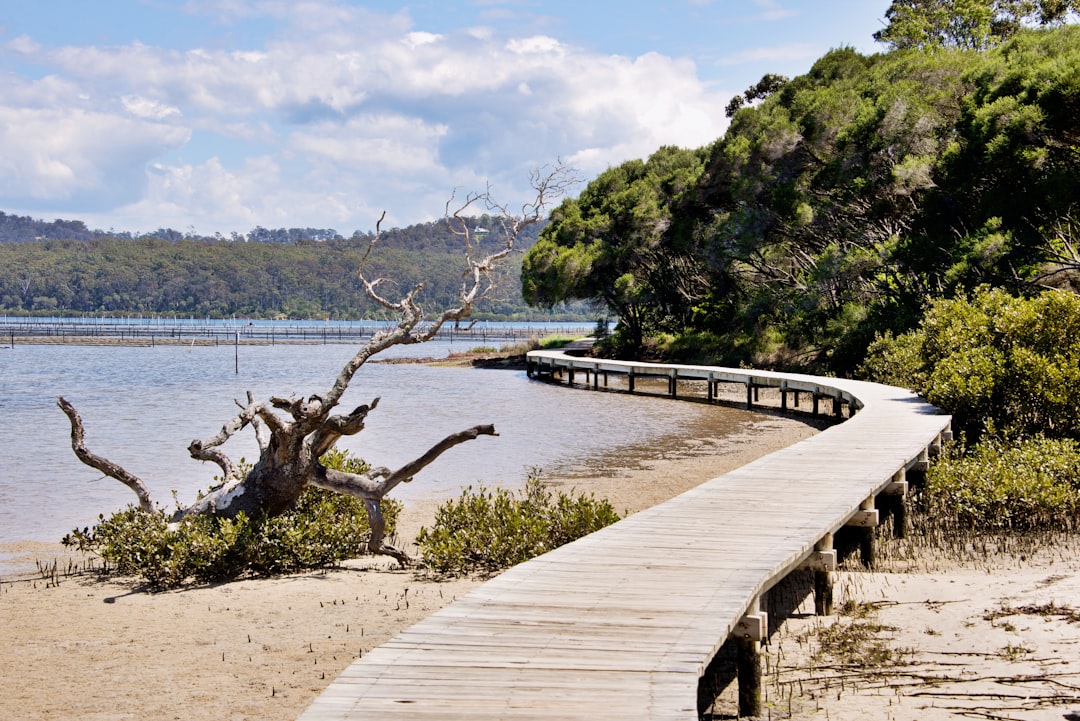
The Sandy Bay foreshore path is the city's most reliable "path of least resistance." Most regulars start at Marieville Esplanade near the rowing clubs and head south toward Long Beach. It is flat, paved, and well-lit for those early winter mornings. Beginner runners favor it for first 5km efforts because there are no hills to negotiate, and there is a coffee shop or a park bench to bail out at roughly every 800 metres.
If you live in or near the city, this is the easiest place to start a walking habit. Walking and run groups around Hobart often meet on the foreshore on weekends — KeepActive's directory is the first place to look if you'd rather not lap on your own.
kunanyi/Mount Wellington rewards a slow build
The mountain is the postcard. It is also where most beginners overcommit. The City of Hobart's walking tracks portal lists more than two dozen routes on the lower slopes — the linked Cascade and Myrtle Gully tracks rise around 230 metres over 3 kilometres, which is a much fairer first outing than the grueling Pinnacle Track.
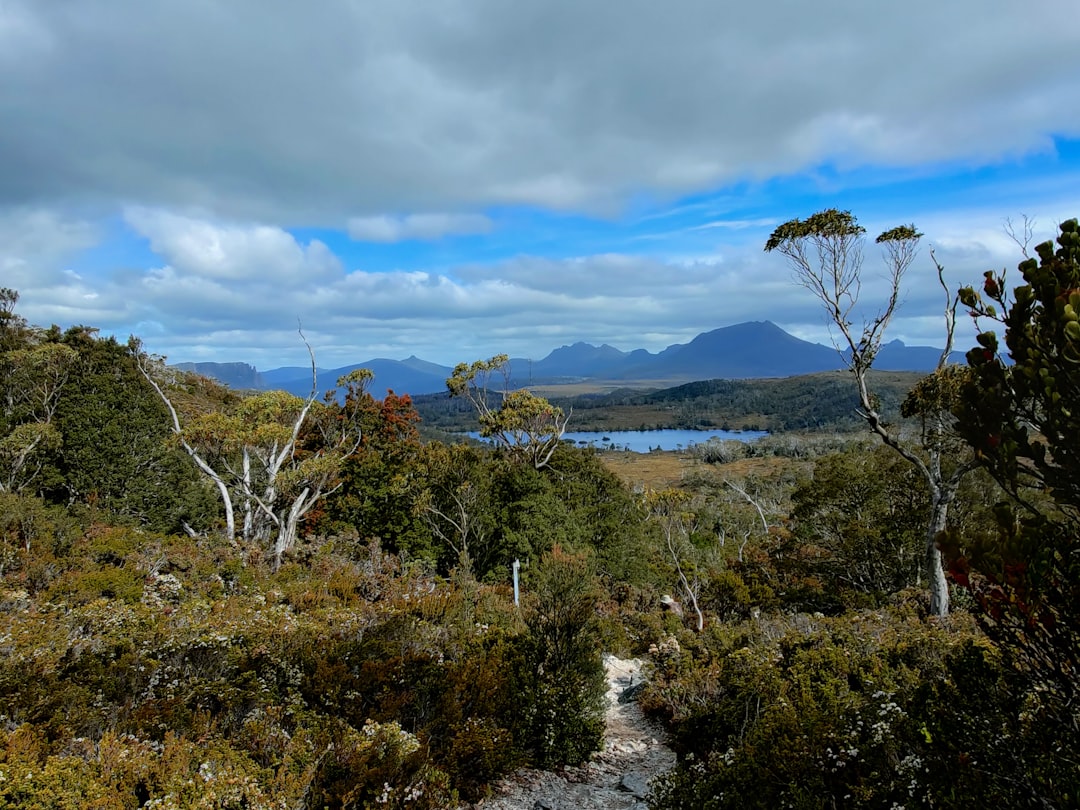
The Organ Pipes Walk is the standout once you have a few weeks of regular climbing in your legs. While recently upgraded with better drainage and stone steps, it remains a rocky Grade 3 track, so leave the city sneakers at home. The reward is a sub-alpine vantage point with views across the Derwent that make the city look like a scale model.
One caveat: the summit is exposed and the weather changes instantly. Pack a windproof layer, check the BOM forecast for kunanyi specifically, and turn around if the cloud starts to close in.
The under-used flats in Glenorchy and Clarence are where Hobart's regulars actually run, not just the postcard mountain.
Cornelian Bay and the Intercity Cycleway link the city to the suburbs
The Intercity Cycleway runs from Hobart's waterfront out to Glenorchy along the Derwent's western shore — flat, sealed, and continuous for around 9 kilometres. Cornelian Bay is roughly the midpoint, with toilets, a playground, and the iconic colorful boatsheds for shade. Queens Domain parkrun meets there at 9am every Saturday — a free, timed 5km if you want a structured option without committing to a club.
Australian Institute of Health and Welfare reporting shows around half of Australian adults don't meet the national physical activity guidelines. Access to safe, flat, walkable green space is one of the strongest predictors of who does; the cycleway is exactly that kind of space.
Across the Derwent: the Clarence Foreshore Trail
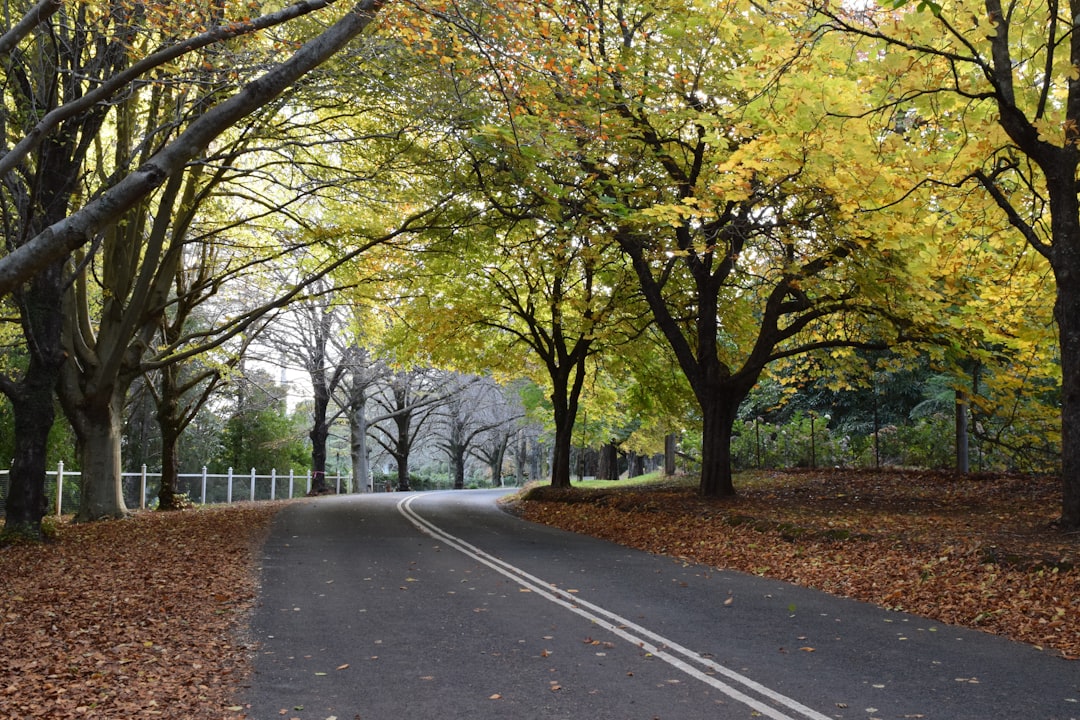
If you live on the eastern shore, the Clarence Foreshore Trail is the gold standard. It’s an easy-going stretch from the Howrah Community Centre car park through to Bellerive Beach near Blundstone Arena. It’s a social hub for joggers, prams, and dogs. The Bellerive Bluff section adds a small, punchy climb if you want to get your heart rate up.
Howrah Beach itself is one of the warmer swim spots through summer and stays usable for beach walking year-round. Sports venues across Greater Hobart are listed by suburb on KeepActive, which is useful if you want to find a public court or oval near the trail for a post-walk stretch.
Risdon Brook for a quiet 4km loop
Risdon Brook is a gravel loop around a small reservoir in the Risdon Vale hills. It offers gentle gradients and a peaceful atmosphere, but keep in mind that the car park gates open at sunrise and close at sunset. Note: This is a protected catchment area, so dogs are not permitted here.
Research led by Associate Professor Verity Cleland at the Menzies Institute for Medical Research has consistently found that easy walking access to green space is a primary factor separating active from inactive adults. Risdon Brook fits that brief perfectly — it’s close, free, and there are no road crossings to worry about once you're on the track.
Outdoor fitness equipment is more common than it looks
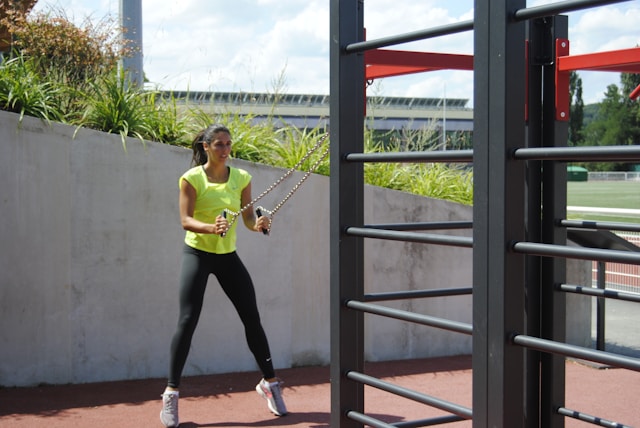
Outdoor gym stations have quietly multiplied across Greater Hobart. Long Beach (Lower Sandy Bay), John Doyle Reserve in Glenorchy, and the Clarence Foreshore at Bellerive each have free public equipment — pull-up bars, dip stations, and leg presses. They are unbookable and usually empty at 7am.
When the weather closes in
Hobart winters aren't actually that cold by global standards, but the wind off the Derwent definitely "has opinions." On those days, the move is usually a covered or indoor option for an hour, then back outside the next day.
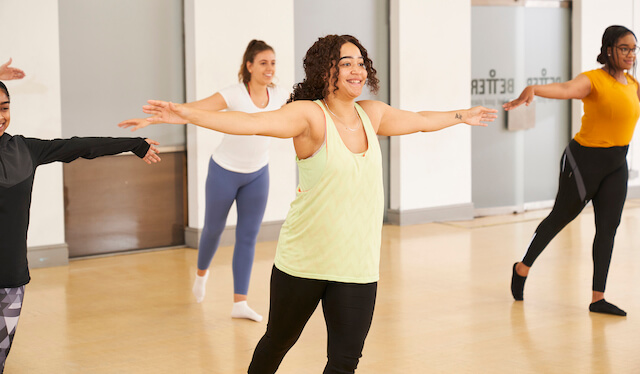
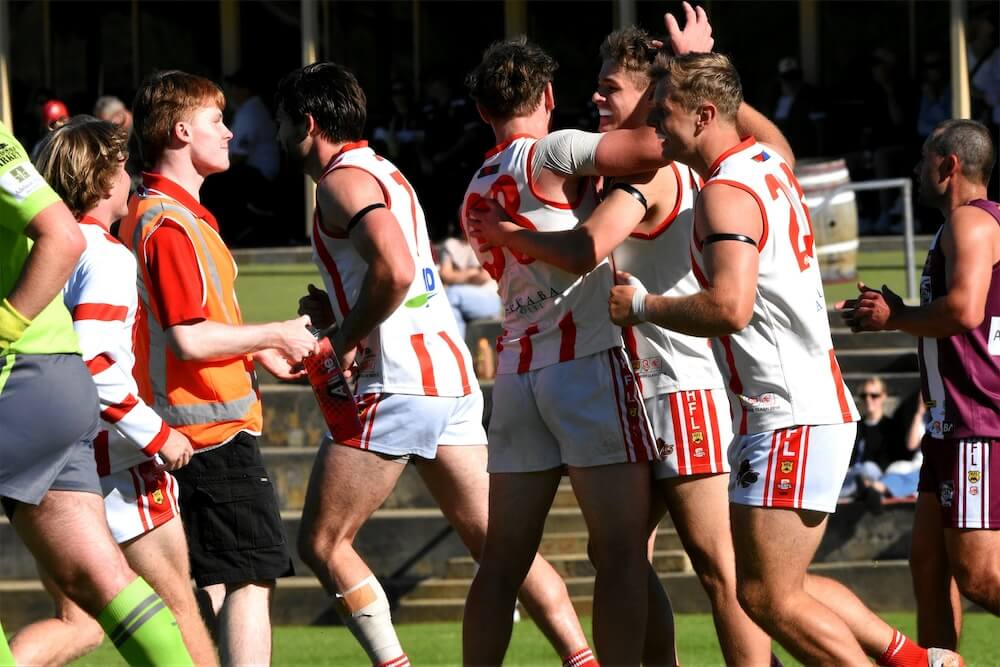
Indoor sports groups and social fitness classes around Hobart are a useful first stop when the weather forces a change of plan. Many offer "come-and-try" sessions so you can join for a single week without committing to a full season.
The point isn't to pick the perfect spot. It is to have three or four options inside a 15-minute drive, so the question stops being "where should I go?" and starts being "which of these am I going to today?"
Always check current track conditions and weather before heading out, and talk to your GP before starting a new exercise routine — particularly if you've been inactive or have a health condition.