
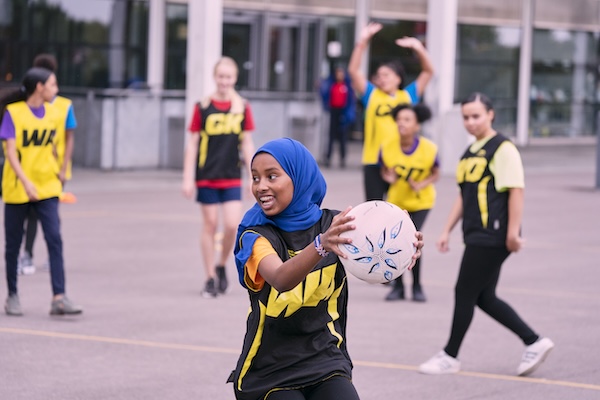
It often starts with a simple sentence.
"I don't want to go anymore."
Maybe it is swimming. Maybe tennis. Maybe gymnastics. A sport they once loved suddenly feels repetitive, stressful or lonely.
For parents, the next decision can feel bigger than it looks. Do you encourage them to stick it out? Move sideways into another individual sport? Or try a team environment instead?
A major Australian-led review published in 2026 gives parents something more useful than guesswork.
Researchers from the University of Newcastle and Hunter Medical Research Institute reviewed 189 studies covering more than 17,000 research records and found that organised sport supports children's mental health overall, with team sports showing stronger and more consistent benefits than individual sports.
This article breaks down what that actually means for families and why it matters when choosing the next sport.
Source of this article: This summary is based on the peer-reviewed systematic review by Wade et al. (2026), published in Systematic Reviews, alongside supporting Australian Institute of Health and Welfare data and Sport Australia participation data.
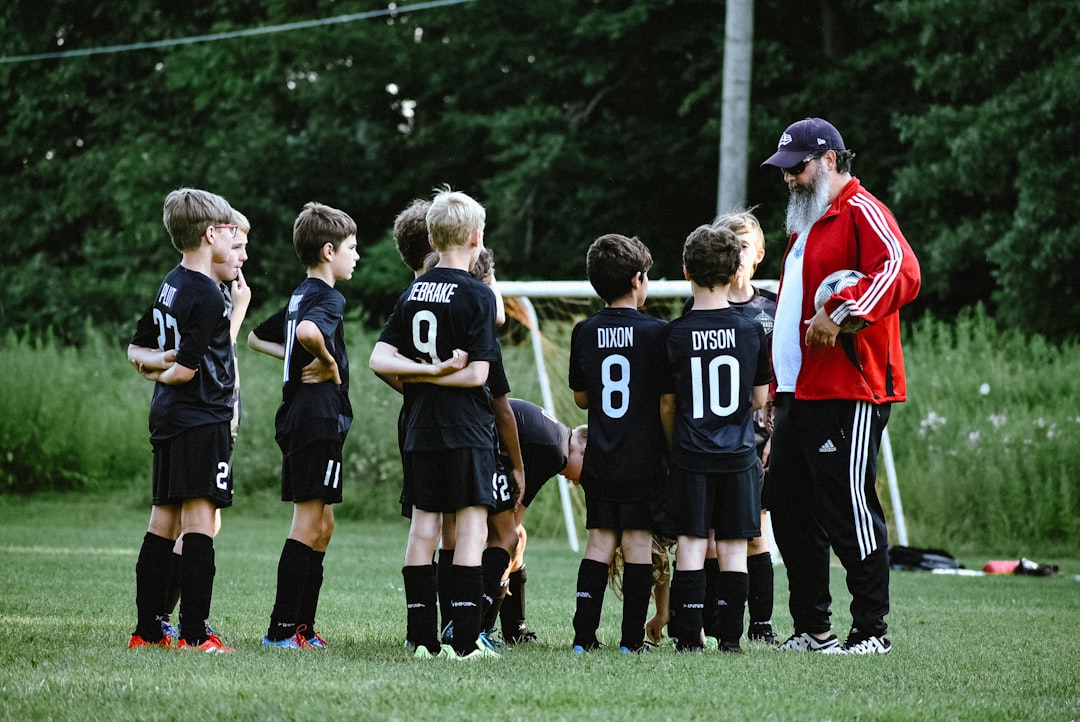
What the 189-study review actually found
The review looked at children and teenagers aged 5 to 17 across cross-sectional, longitudinal and experimental studies.
That matters because it is not just a snapshot. Some of the research followed children over time, helping researchers understand whether sport participation might contribute to better mental health, rather than simply attracting kids who were already doing well.
The results were striking.
Children involved in organised sport consistently showed better outcomes in:
- self-esteem
- life satisfaction
- social belonging
- interpersonal skills
- prosocial behaviour
- lower anxiety symptoms
- lower depressive symptoms
And while both team and individual sports showed benefits, team sport repeatedly showed stronger associations across more studies.
If you want to read the full paper yourself, the complete review is available via Systematic Reviews (Springer Nature).
It was not that individual sport performed poorly. Team sport simply showed up more often as the stronger setting for positive mental health outcomes.
Why team sport seems to have an edge
The difference is not really about the sport itself.
It is about the environment around it.
Team sports combine physical activity with repeated social connection. Kids train together, solve problems together, lose together and improve together.
That creates something powerful: belonging.
The review identified several pathways that help explain the mental-health benefits:
- having a clear role within a group
- shared goals and collective progress
- regular peer interaction
- social support from teammates
- feeling noticed and valued
This aligns with broader evidence from the World Health Organization, which notes that regular physical activity supports mental wellbeing in children and adolescents, including reduced symptoms of anxiety and depression.
Australia's national participation data from Sport Australia's AusPlay survey also shows organised sport remains one of the strongest drivers of physical activity in children.
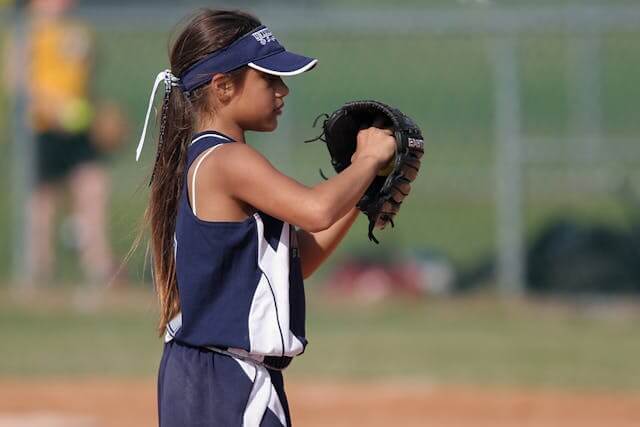
What if your child hates team sport?
This is where parents can easily overcorrect.
Reading "team sports are better" does not mean forcing a child into football, netball or hockey if they hate it.
The review does not say solo sport is bad.
It says team settings offer additional social ingredients that can support mental wellbeing.
Some children genuinely thrive in individual sports because they prefer predictability, lower social pressure or personal pacing.
That is a valid pathway too.
The Raising Children Network, backed by the Australian Government, also highlights that the best sport for a child is often the one they enjoy enough to keep doing.
And there is often a middle ground.
Some sports sit between solo and team structures:
- athletics clubs with squad training
- swim squads
- tennis programs with social doubles
- rowing crews
- martial arts classes
These environments still provide regular peer contact and social familiarity without the intensity of team competition.
If your child just quit a sport, what should you do?
Before signing up for the next thing, ask why they stopped.
The answer matters.
Were they bored?
Were they overwhelmed?
Did they feel isolated?
Did they struggle socially?
If the issue was loneliness or disconnection, moving into a team-based environment may help rebuild confidence and routine.
If the issue was pressure or overstimulation, a structured individual setting might be a better reset.
The goal is not to "keep them busy".
The goal is to find a sporting environment they can actually stay connected to.
The Australian Institute of Health and Welfare reports that organised sport remains one of the most common forms of regular physical activity for Australian children, reinforcing how important the right sporting fit can be.
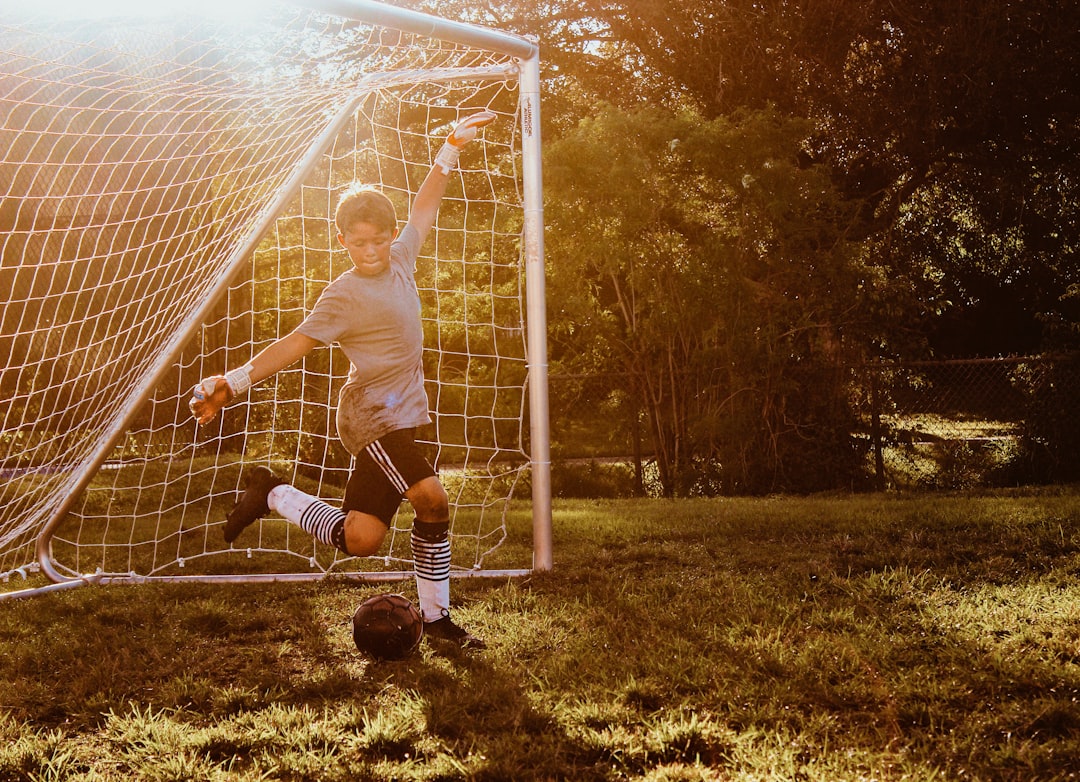
How to find a junior club mid-season
If your child wants to try something new, you do not have to wait for next term.
Many junior clubs accept mid-season registrations, especially for beginner and social grades.
A practical approach:
- Shortlist three to five local clubs
- Call and ask about vacancies in your child's age group
- Ask whether they offer trial sessions or come-and-try days
- Check training nights before committing
A good starting point is browsing junior sports clubs and groups near you on KeepActive. Filtering by suburb and sport can save time compared with cold-calling clubs.
Popular junior entry pathways include:
If one club is full, keep going. Availability changes quickly across suburbs and age groups.
The bigger takeaway for parents
The strongest takeaway from the research is not "put your child in team sport".
It is simpler than that.
Children benefit when sport gives them movement, routine, connection and a sense of progress.
Team sports seem especially good at delivering all four at once.
But the best sport is still the one your child wants to return to next week.
That is where confidence grows.
Disclaimer: The information in this article is general in nature and is not intended to replace professional medical, psychological or developmental advice. Every child is different. If your child is experiencing mental health concerns or significant changes in behaviour, speak with your GP, psychologist or qualified health professional.