
Run clubs do something apps and "putting yourself out there" rarely can: they bring you into the same space, with the same people, at the same time, every week.
That matters more than most adults realise.
Friendship usually doesn't begin with one perfect conversation. It grows through repetition. A familiar face. A quick nod. The person who remembers your name, or notices when you missed last Tuesday.
In a country where 43% of Australians aged 15 to 25 report loneliness, run clubs have quietly become one of the easiest ways to build connection.
Not because running is magic. Because consistency is.
If you already run, this might be the push to stop doing it solo. If you don't, here's what actually happens at a run club, why the awkwardness fades faster than you think, and how to find one that fits.
Why run clubs work when apps don't
Most friendship apps promise connection, but connection needs context.
Associate Professor Michelle Lim, co-author of the University of Sydney's 2025 youth loneliness report, pointed to a growing reality: loneliness isn't limited to older adults. Many younger Australians are feeling it too, often for long stretches.
The usual advice is simple: "Put yourself out there."
Useful, but incomplete.
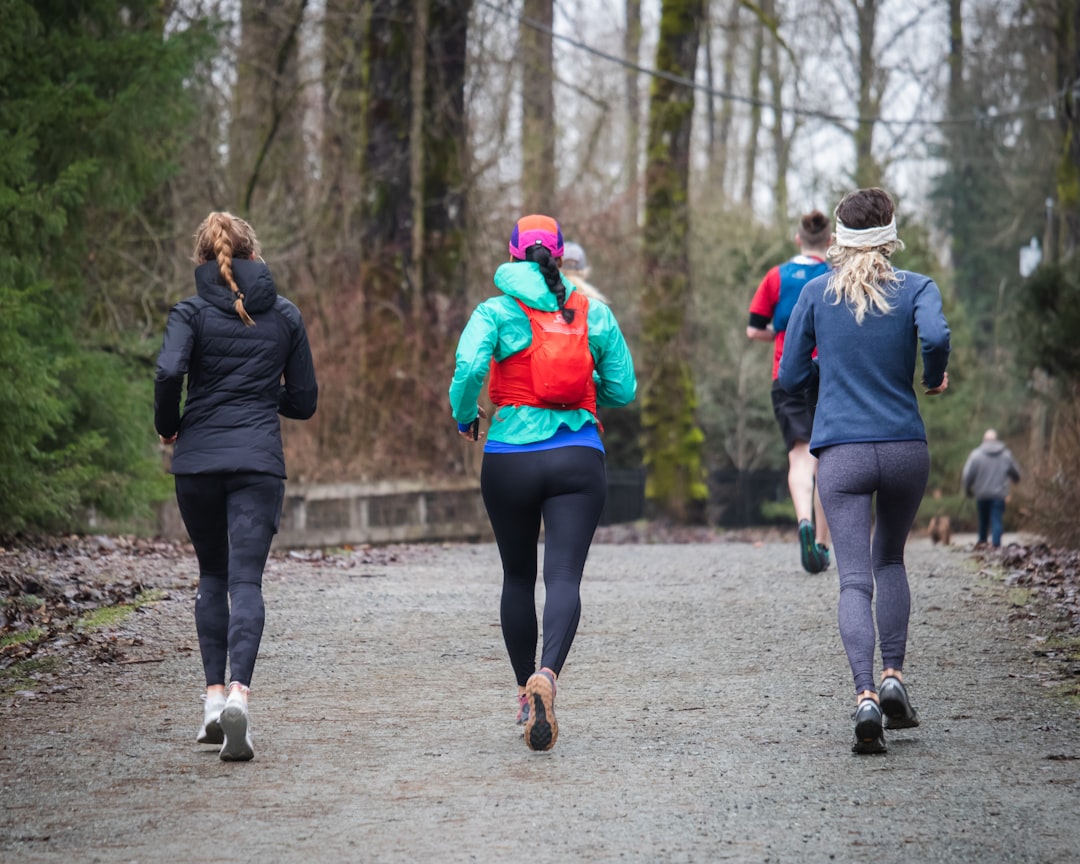
What often builds friendships is repeated exposure with a shared purpose. That's where run clubs shine. You show up, run alongside the same people, and share a small challenge together.
The run creates natural conversation. There's no pressure to be endlessly interesting. You can talk about the route, the weather, your shoes, or stay quiet for stretches. It feels easy because the activity carries part of the interaction.
Then you do it again next week.
And the week after that.
That's when familiarity turns into friendship.
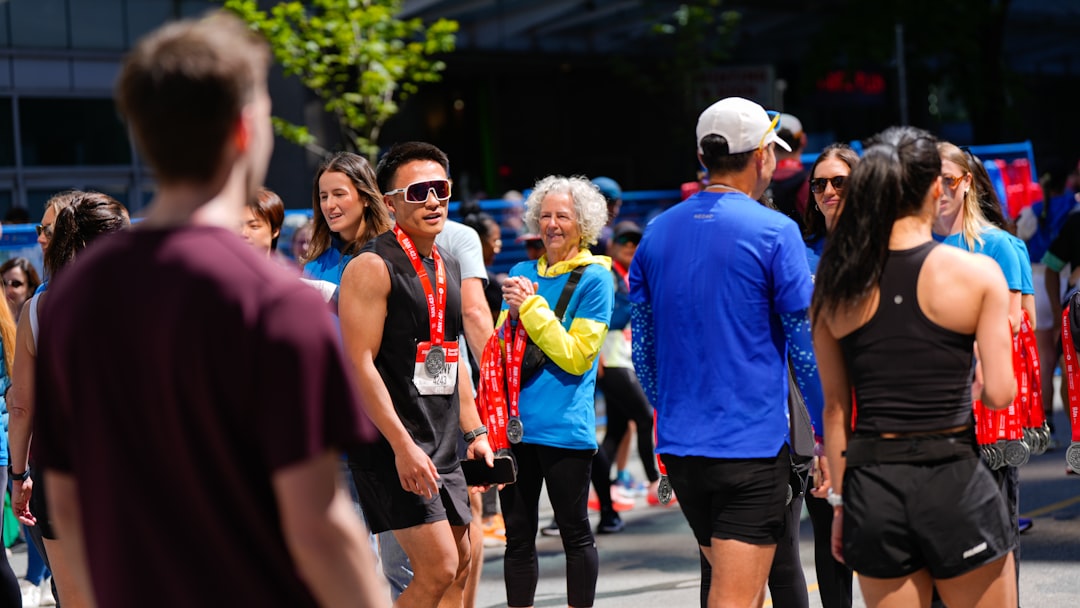
What your first run club session usually looks like
The good news: most run clubs follow a similar format, so there are very few surprises.
People usually gather 10 to 15 minutes before the run. It might be outside a café, near a park entrance, or at a landmark that's easy to find.
Someone from the club will explain the route and often split the group into pace bands, usually by minutes per kilometre. You might hear groups like 5:30, 6:00, or 7:00 pace.
If you have no idea what that means, that's normal.
Just say where you're at. "I haven't run in years" or "I'm pretty slow" is enough. Most clubs are used to helping new people settle in.
The run itself is often between 4km and 7km. Some of it is chatting. Some of it is concentrating on breathing. Sometimes both at once.
Afterwards, many groups head for coffee or a casual drink. That's often where conversations deepen and regular faces become familiar.
It's less formal than many people expect. More community catch-up than structured fitness session.
Why week six matters more than night one
The first session can feel uncomfortable.
You're learning names, figuring out the vibe, and trying not to think too much about whether you fit in.
That's normal.
What matters is not how the first night feels. It's whether you come back.
The second time, someone might remember you.
By the third or fourth session, conversations pick up where they left off.
By week six, you're often part of the rhythm.
That's when it starts to feel less like "going to a run club" and more like "seeing your people."
This pattern shows up in research on parkrun, Australia's free weekly 5km community event. A 2026 Australian study found many participants became more socially connected over time, especially when volunteering or returning regularly.
The common thread wasn't performance.
It was recognition.
If a weekly evening run feels like a big step, parkrun can be a gentler starting point. KeepActive has a guide on what parkrun is and why so many Australians keep coming back in our article on parkrun's growing popularity.
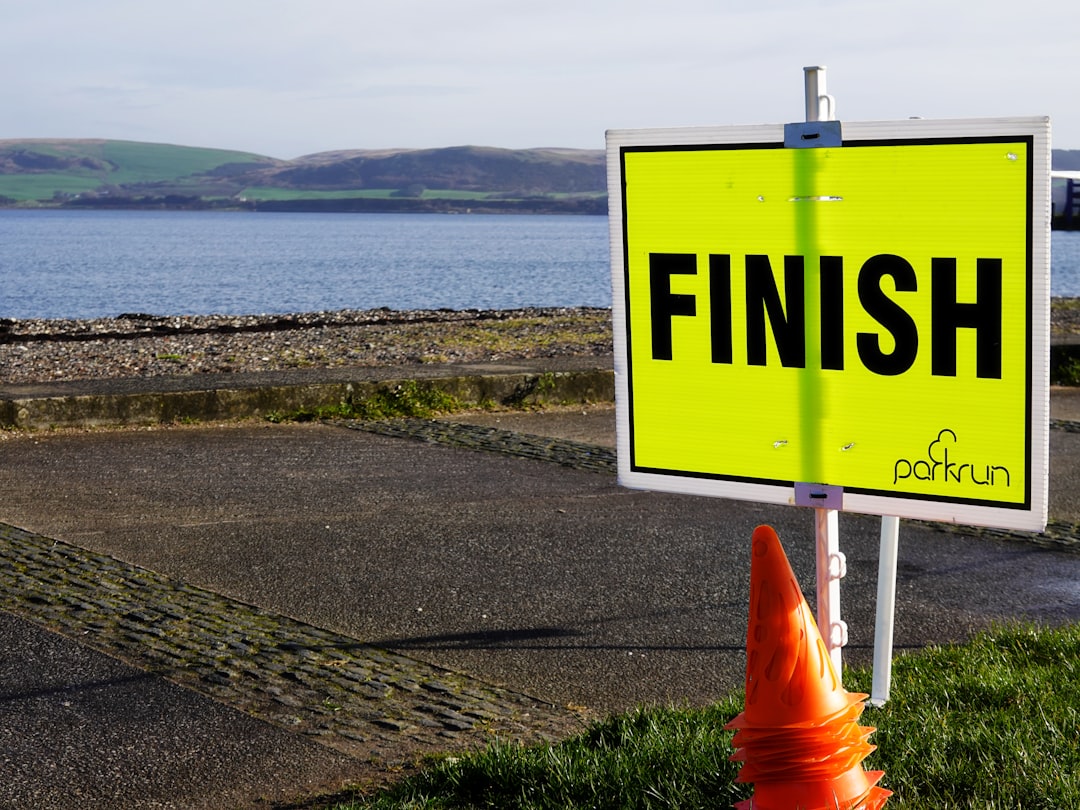
Not all run clubs are fast or intimidating
Social media can make run clubs look like matching outfits and fast splits.
That's only one version.
Across Australia, there's a wide range of options. Some focus on slower social paces. Some are women-only. Others are parent-friendly, beginner-focused, or community-led around a shared identity or interest.
Many clubs share their format on Instagram or Strava, including distance, pace, and whether they stop for coffee after.
That makes it easier to find something that feels right from the start.
You don't need expensive gear or elite fitness. Comfortable shoes and a willingness to show up are usually enough.
How to find a run club near you
You can search for local parkrun and other run clubs on our activities directory if you want a low-pressure Saturday option.
For local weekday clubs, searching Instagram or Google for your suburb plus "run club" usually surfaces active groups.
If you're exploring beyond running, the KeepActive groups directory lists walking groups, sports clubs, and fitness communities by suburb.
If running feels like too much impact right now, walking groups can offer a similar social rhythm. You can read more in our guide to walking groups.
The same friendship formula works beyond running
Running isn't the only path to connection.
The real formula is simple: repetition, shared activity, and a bit of time before or after to talk.
That could look like social tennis, badminton, climbing, dragon boating, walking groups, or local community sport.
The activity matters less than the rhythm.
Pick something you can attend regularly. The easier it is to show up, the easier it is to build momentum.
The honest reality
Run clubs often meet in the busiest parts of adult life: weekday evenings or early Saturday mornings.
If you work shifts, have young kids, or have unpredictable hours, that can make regular attendance tricky.
Some clubs offer early morning or later evening options, though they can be harder to find.
That's where flexible formats like parkrun or daytime walking groups can be a useful alternative.
The goal isn't to force running into your life.
It's to find a repeatable way to move and connect with people.
This article is general information only and not medical advice. If you're returning to exercise after a long break or managing a health condition, check in with your GP or qualified health professional before starting.