
Disclaimer: The information in this article is general in nature and is not a substitute for personalised medical or cycling safety advice. Speak with your doctor or another qualified health professional before beginning a new activity if you have an injury, a medical condition, balance difficulties or concerns about exercising safely.
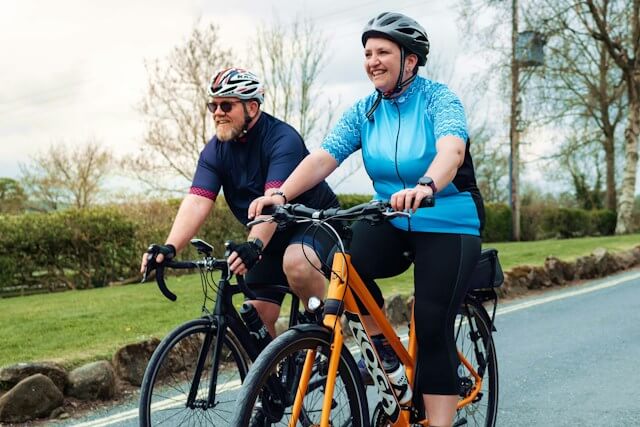
Cycling is often presented as an activity for highly fit riders in Lycra, but electric bikes are changing who can comfortably take part. With adjustable motor assistance helping on hills, into headwinds and over longer distances, an e-bike can make cycling feel achievable for people who have not ridden in years.
A 2026 study published in the New Zealand Medical Journal explored what happened when adults who did not regularly cycle were given long-term access to an e-bike. Participants described improvements in their movement, confidence and mental wellbeing, as well as a new way to fit physical activity into ordinary life.
How the HIKO e-bike programme worked
The study followed participants in HIKO, a marae-led e-bike programme in Wainuiomata in New Zealand's Wellington region. The programme was designed for Māori and Pacific adults who were not already regular cyclists.
Participants received more than a bicycle. They were given a long-term e-bike loan, cycling skills training, mechanical support and safety equipment including a helmet, lock, pannier and high-visibility gear. Handlebar mirrors were also available, while step-through frames and comfortable saddles helped make the bikes suitable for a wider range of riders.
Researchers spoke with participants before they received their e-bikes and followed them at approximately six and 12 months. Of the 26 people involved in the programme, participants ranged from 16 to 69 years old, and almost two-thirds were women.
Because this was a qualitative study, its findings are based on participants' experiences rather than clinical measurements. It cannot prove that e-biking directly treated a medical condition. It does, however, provide a valuable picture of how an accessible form of movement can change people's daily lives.
Real stories from people returning to movement
The human stories behind the research are what make the findings particularly useful. Many participants had previously been active but stopped after an injury, illness or period of weight gain. Returning to conventional exercise then felt increasingly difficult.
One participant had once ridden a regular bicycle to work but stopped after injuring their Achilles tendon. As their weight increased, cycling began to feel further out of reach. The e-bike offered a manageable way back into an activity they had once enjoyed.
Another participant described walking uphill as challenging because of their size. Motor assistance changed the experience by allowing them to keep moving without every hill becoming an exhausting test.
A woman living with arthritis found that the assisted bicycle allowed her to remain active without placing the same strain on her joints as some other activities. Another rider, who cared full-time for a sister with Alzheimer's disease, described cycling as a restorative break from caring responsibilities whenever circumstances allowed.
These were not dramatic athletic transformations. They were practical changes: riding to work, completing an errand, spending time outside or joining family members for an outing. For people who had come to see exercise as painful, embarrassing or unrealistic, those everyday experiences mattered.
Breaking the cycle of pain and inactivity
An injury or chronic pain can begin a frustrating cycle. Movement becomes uncomfortable, activity levels fall and fitness declines. Weight gain or reduced confidence can then make restarting even harder.
The HIKO participants described e-bikes as one possible circuit breaker. The motor did not remove the need to pedal, but it reduced the amount of effort required when a rider encountered a hill, became tired or needed help covering a longer distance.
This flexibility can be valuable for people living with knee, hip or back pain. Assistance can be increased when needed and reduced when the rider feels comfortable doing more of the work.
Health was not always improved by riding, and an e-bike was not suitable for every participant at every stage. Two people stopped after unrelated health events affected their grip or balance. Respiratory illness, poor weather and caregiving responsibilities also limited how often some people could ride.
The study's message is therefore not that everyone should buy an e-bike. It is that power-assisted cycling may open a door for people who would not otherwise consider riding a conventional bicycle.
Is riding an e-bike really exercise?
Yes, an e-bike can still provide meaningful physical activity. In Australia, most commonly used e-bikes are pedal-assisted, which means the motor supports the rider while they continue turning the pedals. They are not simply sitting still while the bike does all the work.
A systematic review and meta-analysis of e-cycling research found that riding an e-bike was comparable with moderate-intensity physical activity. An earlier systematic review of electrically assisted cycling also concluded that e-cycling can contribute to physical activity recommendations and may improve fitness, particularly among people who were previously inactive. Australian adults are encouraged to accumulate between 150 and 300 minutes of moderate physical activity each week, along with muscle strengthening activities on at least two days. Even replacing a few short car trips with cycling can help contribute towards these recommendations. Learn more in the Australian Physical Activity Guidelines.
The effort is usually lower than riding the same route on a conventional bicycle, especially when maximum assistance is used. That does not make it pointless. A manageable activity that someone can repeat regularly may be more useful than a demanding workout they avoid altogether.
E-bike riders may also feel comfortable travelling further, riding more frequently or choosing cycling for journeys they would previously have completed by car. Over a week, those extra trips can add up to a substantial amount of movement.
Physical and mental health benefits reported by riders
After six and 12 months, HIKO participants reported a range of personal health improvements. These included:
- Better mental wellbeing: Riders valued having time outdoors, a change of scenery and a temporary break from work, caregiving and everyday pressures.
- Reduced joint discomfort: Some people living with osteoarthritis or hip and knee pain found assisted cycling more manageable than higher-impact activities.
- Improved fitness: Several riders felt the e-bike helped them build enough confidence and capacity to attempt more demanding physical activities.
- Support for managing long-term conditions: Participants described improvements in their experiences of conditions including type 2 diabetes, hypertension, gout, asthma and insomnia. These were self-reported experiences and should not be interpreted as evidence that e-biking treats these conditions. People living with diabetes should always discuss changes to their exercise routine with their healthcare team. Diabetes Australia provides practical advice about exercising safely while managing diabetes.
- Help with healthier habits: Some participants used a bike ride to redirect smoking cravings or support efforts to maintain their weight while quitting.
One participant summed up the attraction simply: every ride was different. Unlike a treadmill or stationary bike, an outdoor ride offered somewhere to go, something to see and a reason to return.
Why riding with other people can help
The HIKO programme also showed that the bicycle itself was only part of the solution. Skills training, suitable equipment, mechanical support and encouragement all helped participants feel more capable.
Social support was especially important. Some people felt self-conscious exercising in public, particularly after gaining weight or spending a long time away from physical activity. Seeing others from the community riding made the activity feel more welcoming.
E-bikes also allowed people with different fitness levels to ride together. A less experienced rider could use more assistance while a fitter friend or family member selected a lower setting. This made it easier for groups to remain together without asking everyone to maintain the same level of effort.
Some HIKO participants established regular riding groups, while others cycled with friends, children or other family members. People who stopped riding sometimes identified the absence of a riding companion as one reason it became difficult to continue.
You can search KeepActive for local cycling groups and social rides. Whether you're looking for a relaxed weekend ride, women-only cycling groups or beginner-friendly rides, having people to ride with often makes it much easier to build a lasting habit.
How e-bikes turn transport into physical activity
One of the most practical benefits of an e-bike is that exercise does not always need a separate place in the calendar. Riding to work, visiting a friend or collecting a few groceries can turn an ordinary journey into incidental physical activity.
This approach is often called active transport. Instead of driving to a gym to exercise, movement becomes part of getting somewhere. For someone with limited time, replacing one or two short car trips each week may be a more realistic starting point than committing to a formal training programme. The Heart Foundation encourages Australians to build movement into everyday life through walking, cycling and other forms of active transport, recognising that regular incidental activity can make a meaningful contribution to long-term heart health.
An e-bike will not suit every trip, household or location. Distance, cycling infrastructure, weather, carrying needs and the ability to store and charge a bike all matter. Cars may still be required for long journeys, passengers, mobility equipment or areas where cycling routes are limited.
E-bikes, electric vehicles and lower-emission travel
E-bikes and electric vehicles serve different needs, but both are part of a growing conversation about electric transport in Australia. An e-bike can be a practical option for short local trips while also adding movement to the day. An electric car may be more suitable for longer distances, family travel or journeys that require greater carrying capacity.
If you're comparing different transport options, ChooseEV explains everything from charging and battery range to ownership costs, rebates and choosing the right electric vehicle. It's a helpful resource for Australians exploring how e-bikes and electric cars can complement each other for different journeys.
The most practical transport mix may include several choices rather than one complete replacement for the car. That could mean walking for nearby errands, using an e-bike for a local commute, taking public transport when convenient and choosing an electric vehicle for longer journeys. The right combination depends on where you live, the routes available and the needs of your household.
How to start e-bike riding safely
You do not need to begin with a long commute or a challenging route. A quiet, gradual introduction can help you learn how the motor assistance, brakes and extra weight of an e-bike feel.
- Practise starting, stopping and turning in a quiet, traffic-free area.
- Begin with a low assistance setting and increase it when needed.
- Choose a short, familiar route with minimal traffic for your first outings.
- Make sure the frame, saddle and handlebars are adjusted for your body.
- Check the brakes, tyres, lights and battery before riding.
- Wear an approved, correctly fitted bicycle helmet.
- Learn the road and path rules that apply in your Australian state or territory.
- Consider professional cycling skills training if you have not ridden for many years.
People with significant balance problems, reduced grip strength, recent surgery or a medical condition affecting safe movement should seek personalised advice before riding. A health professional, physiotherapist or occupational therapist may also be able to help assess whether a standard e-bike, step-through model or electric tricycle would be appropriate.
Tips:
If you're new to cycling or haven't ridden for years, the Bicycle Network has practical advice on riding safely, choosing the right equipment and building confidence on Australian roads and shared paths.
Road rules for cyclists vary slightly between Australian states and territories. Check your local road authority before riding on roads or shared paths so you're familiar with helmet requirements, lighting rules and where e-bikes can legally be ridden.
Is an e-bike right for you?
An e-bike may be worth considering if hills, joint discomfort, low fitness or the fear of becoming stranded have stopped you from cycling. It can also suit people who want to arrive at work without feeling exhausted or who would like to replace some short car trips with active travel. If arthritis has stopped you from being active, Arthritis Australia offers information on staying active, managing symptoms and finding appropriate support.
Before buying, consider hiring or borrowing a bike for a trial ride. E-bikes vary considerably in weight, motor response, frame design and riding position. A model that feels comfortable and stable is more likely to be used than one selected on specifications alone.
The HIKO research does not suggest that e-bikes are a cure or a shortcut to health. Its more useful finding is that assistance can make movement enjoyable and realistic for people who had begun to believe cycling was no longer for them.
For one person, success might mean riding to work. For another, it could be joining the family for a weekend outing or making it over a local hill without pain or embarrassment. Those modest, repeatable journeys are often how a more active life begins.
References:
Osborne, E., Davies, C., & Shaw, C. (2026). Health benefits of the HIKO e-bike programme: a qualitative study. New Zealand Medical Journal, 139(1630). View the HIKO study.
McVicar, J., et al. (2022). Systematic review and meta-analysis evaluating the effects electric bikes have on physiological parameters. View the review.
Bourne, J. E., et al. (2018). Health benefits of electrically-assisted cycling: a systematic review. View the review.