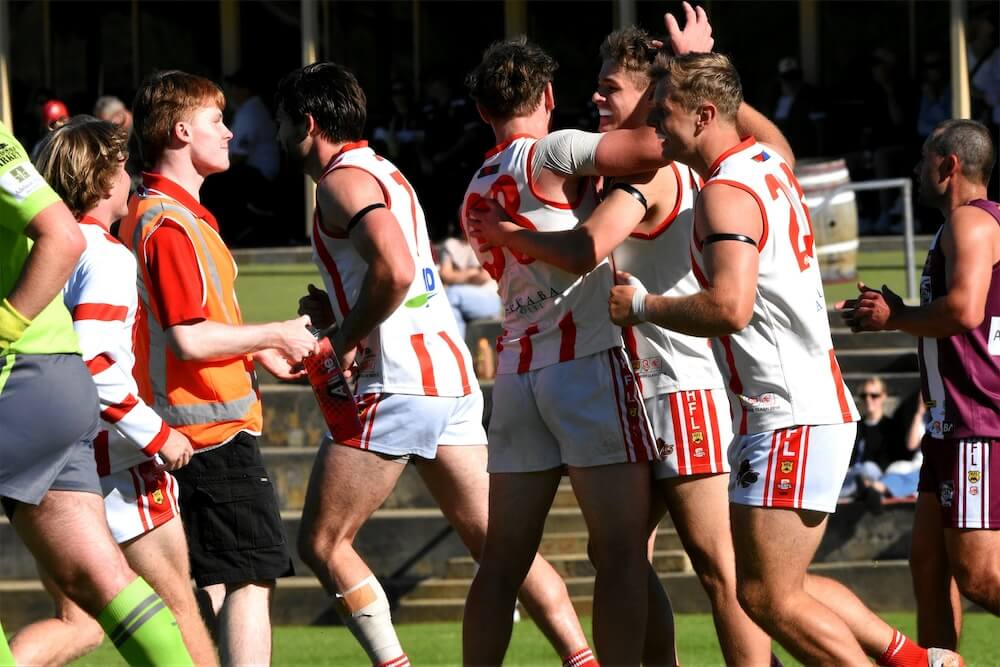

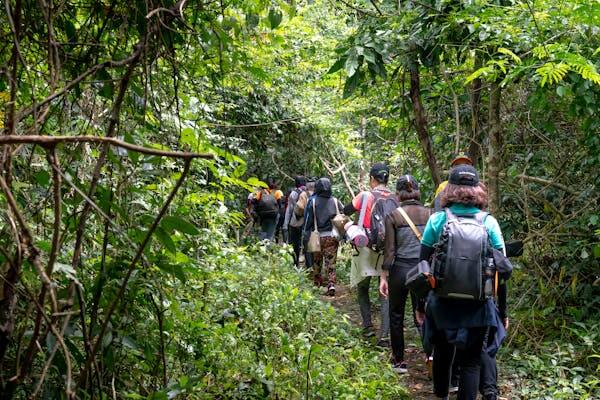
For many Australians, the weekend involves a trip to the local park, a hike through the bush, or joining a local social sports team. However, for women from Culturally and Linguistically Diverse (CALD) backgrounds, these spaces haven't always felt accessible or welcoming.
Research from RMIT University published in September 2025, titled "Social, Accessible, Fun, and Equitable" (SAFE), highlighted a powerful shift. The study found that when CALD women engage in outdoor activities, the impact is life-changing—moving far beyond physical fitness to foster a deep sense of belonging and empowerment.
Breaking the Stereotype
The Australian outdoors has often been perceived through a narrow lens: a space that can feel intimidating to newcomers. Lead researcher Dr Ancy Gamage noted that participation in these programs helps move the needle away from the perception of the outdoors as a "white, masculine, and able-bodied space."
By breaking down these barriers, the SAFE research shows that women are not just participating; they are taking up space, building confidence, and even stepping into leadership roles within their own communities.
The Power of Connection and Cultural Exchange
One of the most heartening findings of the study was how outdoor activities facilitate cultural exchange. It’s not just about the exercise; it’s about the shared experiences, such as traditional coffee ceremonies held on trails or stories told under the gum trees.
Key benefits identified in the research include:
- Reduced Isolation: Nature-based activities significantly lower feelings of loneliness and foster community ties.
- Mental Wellbeing: Participants reported reduced anxiety through mindfulness in nature.
- Cultural Confidence: Shared experiences create opportunities for women to learn about Australian landscapes while sharing their own heritage.
Creating a More Inclusive Future
The RMIT research, funded by the Victorian Government’s Change Our Game initiative, outlines clear steps for local sports clubs and outdoor organisations to become more inclusive. These include:
- Providing multilingual signage and safety information.
- Supporting equipment borrowing schemes (like helmets or hiking gear) to reduce financial barriers.
- Adapting activities to respect religious and cultural needs.
- Partnering with community organisations to deliver culturally relevant programming.
Finding Your Community
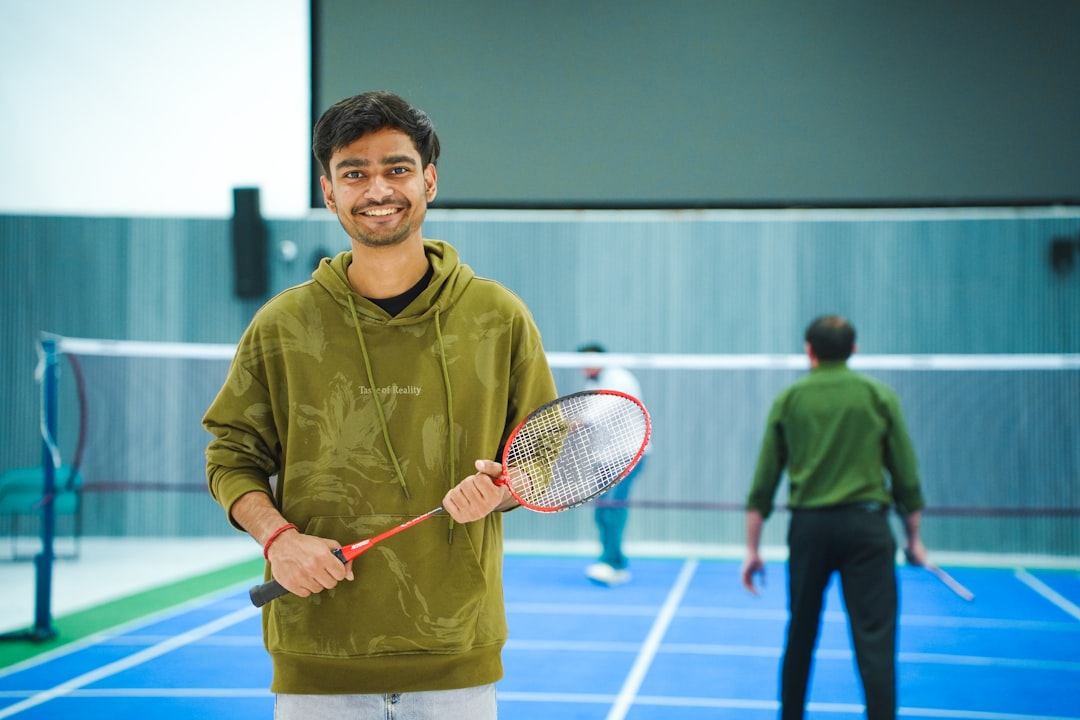
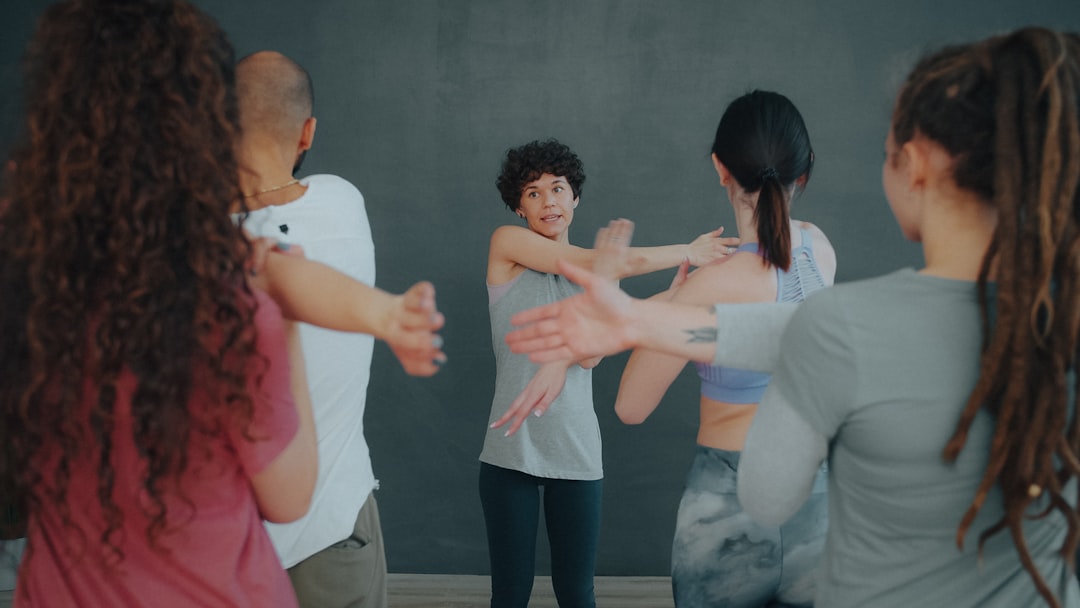
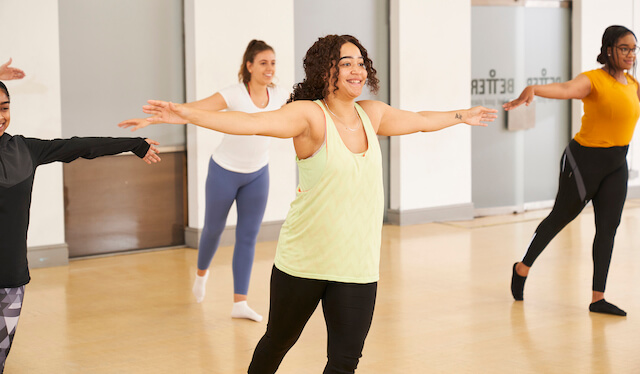
At its core, this research proves that the great outdoors belongs to everyone. Whether it is a local walking group, a social badminton match, or a community fitness session in the park, finding a supportive environment is the first step toward better health and social connection.
If you’re looking to get started, exploring the KeepActive activities directory is a great way to find local sports and hiking groups. By embracing diverse voices and cultures, the Australian sporting landscape becomes richer, safer, and more vibrant for everyone.