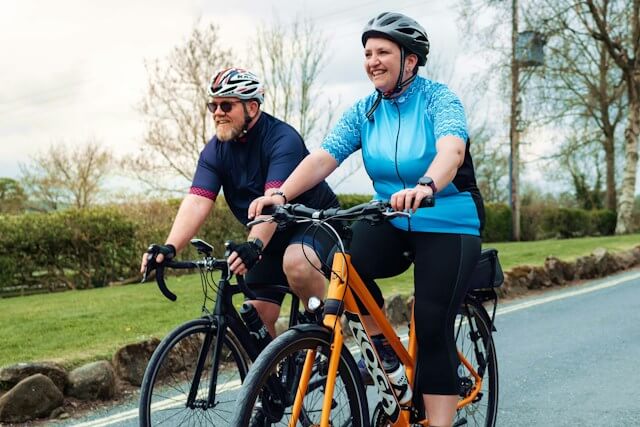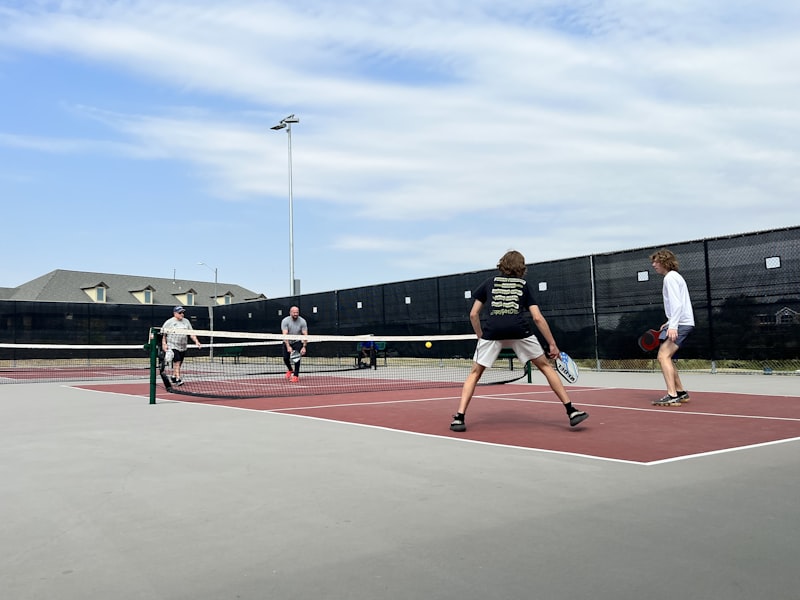

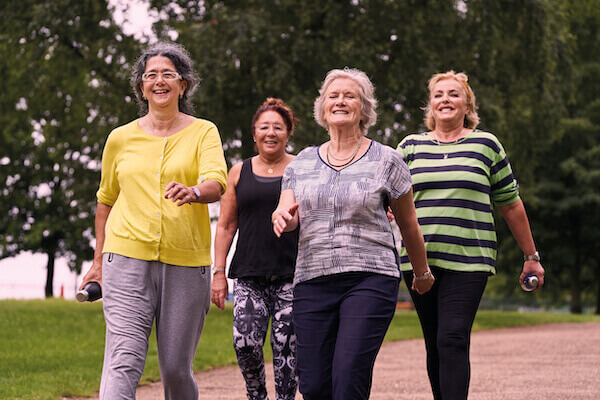
We often think of fitness as a solo pursuit—hitting the pavement for a morning walk, following a workout video in the lounge room, or doing laps at the local pool. However, research suggests that for older adults, the "secret sauce" to a long and healthy life isn’t just the movement itself, but who you’re moving with.
A 2026 study from Texas A&M University highlights a powerful cycle: staying active helps us get out of the house and meet people, while having a strong social circle provides the motivation we need to stay active. For Australians over 65, treating social life and physical activity as "inextricably linked" could be the key to fighting loneliness and improving overall well-being.
The Power of the Pack
The literature review, which examined over 30 peer-reviewed articles, found that social factors are among the strongest predictors of whether an older adult will maintain an active lifestyle. Here is how these connections influence our health:
- Social Support: When friends and family offer encouragement—or better yet, join in—older adults are significantly more likely to stick to a routine.
- Social Participation: Taking part in community groups or organised social activities naturally leads to more movement. It’s a win-win: you improve your fitness while protecting your cognitive health and happiness.
- The "Out and About" Effect: Simply having a reason to leave the house to meet a friend creates "incidental" physical activity that adds up over the week.
Breaking the Cycle of Loneliness
Loneliness is a significant health risk, but the study found that physical activity is a "powerful tool" to combat social isolation. Group-based programs or coached activities provide a structured way to stay connected.
While the research suggests there is no "one size fits all" approach, the message is clear: the social environment plays a massive role in how we move. Whether it’s a local walking group, a low-impact aerobics class, or a community bowls club, these interactions provide the "social glue" that keeps us coming back.
Finding Your Community
The researchers noted that the most successful interventions are those tailored to individual needs and lifestyles. This is where community