
A recent study out of France titled "Adolescentes et sport : le grand décrochage" (Teenage girls and sport: the great drop-out) has sparked international conversation about a worrying trend: teenage girls are leaving organised sport in record numbers.
As a community dedicated to connecting Australians with local activities, we wanted to see if the French findings align with what we are seeing in our own backyard. Does Australia also face a "grand décrochage," or is our sporting culture keeping more girls on the field?
The French Findings: A Steep Decline
The French study, conducted by MGEN and the Fondation Alice Milliat, highlighted that by age 15, many girls have already stopped playing organised sports. The research pointed to several key drivers for this exit:
- Social Pressures: Concerns about body image and the feeling of being "watched" while active.
- Competing Priorities: Increased academic pressure and a shift towards sedentary leisure, such as gaming or social media.
- The "Fun" Factor: A transition from play-based activity to high-competition environments that feel less inclusive or rewarding.
How Does Australia Compare?
When we look at the data from the Australian Sports Commission (AusPlay), the trends are remarkably similar. In Australia, we see a significant "gender gap" in participation that widens as children move into their teens.
1. The 15-Year-Old Cliff
Recent Australian research suggests a dropout rate of
approximately 60% for girls aged 15 and older. This aligns almost
perfectly with the French "grand décrochage." While boys also see
a decline in participation at this age, it is significantly less
severe, sitting at around 42%.
2. Similar Barriers
The reasons Aussie girls are hanging up their boots mirror the
French study. According to the Clearinghouse for Sport, the
primary barriers for Australian girls aged 12–14 include:
- Confidence and Body Image: Feeling self-conscious or embarrassed during physical activity.
- Lack of Interest: Roughly 31% of Australian girls in this age bracket report they simply "don’t like" the current sport options available to them.
- The Cost of Competition: Many girls find the shift to highly competitive, high-commitment sport off-putting, preferring social or recreational formats.
Why This Matters for the Community
The French study and our local statistics both tell us the same thing: we need to change the way we offer sport to teenage girls. Sport is a powerful protective factor for mental health, with research showing that adolescents who stay active report lower levels of anxiety and depression.
To keep teen girls in the game, the focus needs to shift toward:
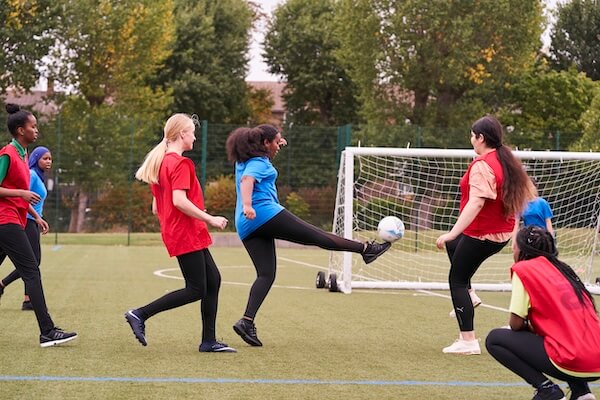
- Social Formats: Emphasising fun and friendship over winning.
- Inclusivity: Creating environments where body confidence isn't a barrier to entry.
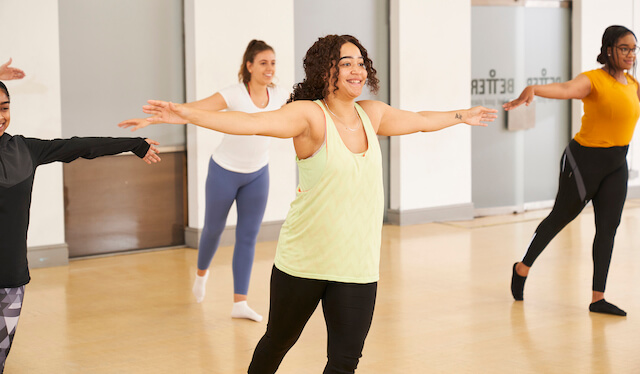
- Diverse Options: Offering "non-sport" physical activities like yoga, social dance, or casual gym groups that fit into a busy student schedule.
At KeepActive, we believe the best way to combat the "grand décrochage" is by making it easier to find those low-pressure, high-fun local groups. Whether it's a social netball game or a beginner-friendly fitness class, the goal is to keep moving—together.