
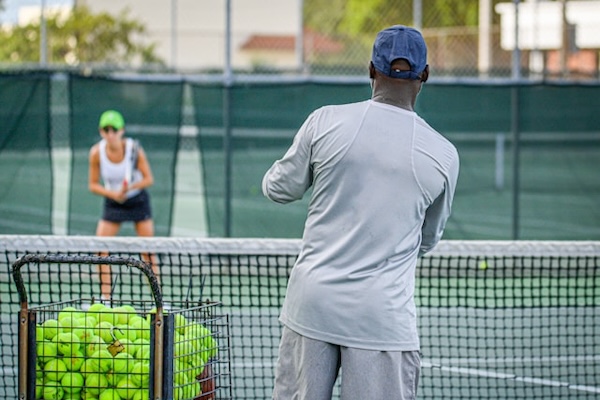
If you're looking to improve your tennis game in Australia, hiring a tennis coach can be a great investment. Tennis is not only a fun and competitive sport, but it also offers numerous health benefits, including improved cardiovascular fitness, better coordination, and stress relief. However, understanding the costs involved and other related aspects is crucial before you commit. Below is a detailed overview of what you can expect when hiring a tennis coach in Australia.
Average Cost of a Tennis Coach in Australia
The cost of hiring a tennis coach in Australia can vary widely depending on several factors such as the coach's experience, location, and the length and frequency of your sessions. On average, you can expect to pay:
- Beginner/Intermediate Coaches: $50 to $70 per hour
- Experienced/Advanced Coaches: $70 to $120 per hour
- Elite/High-Performance Coaches: $120 to $200+ per hour
These rates are for one-on-one private lessons. Group lessons are generally more affordable, with prices ranging from $20 to $50 per hour per person, depending on the size of the group and the level of the coach.
Factors Influencing the Cost
-
Experience and Qualifications: Coaches with more experience or higher qualifications, such as those certified by Tennis Australia or other recognized bodies, typically charge higher rates. Elite coaches who have worked with professional players or have a proven track record in competitive tennis often command premium rates.
-
Location: The cost of tennis coaching can also vary depending on your location. In major cities like Sydney, Melbourne, or Brisbane, rates tend to be higher due to the increased demand and higher living costs. In contrast, coaching in regional areas might be more affordable.
-
Lesson Duration and Frequency: The length of each session and how often you take lessons will also impact the overall cost. Longer sessions (e.g., 90 minutes) may cost more but could offer better value per hour. Additionally, some coaches offer discounts for booking multiple sessions in advance or for regular weekly bookings.
-
Facilities and Equipment: Some coaches may include court hire and equipment (e.g., balls and rackets) in their fees, while others may charge extra for these. It's important to clarify these details upfront to avoid any unexpected costs.
Frequently Asked Related Questions
1. Is it Worth Hiring a Tennis Coach?
Yes, especially for beginners.
Hiring a tennis coach is a smart investment as it ensures you
develop the right foundations from the start. A coach helps you
learn proper techniques and form, which are crucial to avoid bad
habits and reduce the risk of injury. With personalized feedback,
you can quickly correct mistakes and progress faster than through
self-learning or casual play. Ultimately, a coach provides the
guidance needed to build confidence and enjoy the game while
setting you up for long-term success.
2. How Can I Find a Good Tennis Coach?
Finding a good tennis coach involves a few key steps:
-
Check Qualifications: Look for coaches certified by recognized bodies like Tennis Australia.
-
Ask for Recommendations: Talk to other players or visit local tennis clubs for recommendations.
-
Trial Lessons: Many coaches offer a trial lesson. This can be a good way to see if their coaching style suits you.
-
Read Reviews: Online reviews and testimonials can give you insight into the coach's reputation and effectiveness.
Try out activity search for local
tennis coaches across Australia.
3. What Should I Expect in My First Tennis Lesson?
In your first tennis lesson, the coach will likely assess your current skill level. They may ask you to perform basic strokes and movements to identify areas that need improvement. The lesson will typically focus on fundamentals such as grip, stance, and basic strokes. Be prepared to discuss your goals and expectations with the coach so they can tailor future sessions to help you achieve them.
4. Are Group Lessons a Good Alternative?
Group lessons are a great alternative if you're looking to reduce
costs or enjoy a more social learning environment. They offer the
added benefit of practicing with different players, which can help
improve your game in various ways. However, the downside is that
you may not get as much individual attention from the coach
compared to private lessons.

5. Can I Learn Tennis Online?
While online tutorials and videos can help you learn basic
techniques, they cannot replace the personalised feedback and
real-time adjustments a coach provides. However, online resources
can be a useful supplement to your coaching sessions, especially
for practicing drills and understanding tennis strategies.
6. How Can I Find a Tennis Group or Social to Practice?
Joining a tennis group or social is a great way to practice regularly, meet new people, and enjoy the sport in a more relaxed setting. To find a tennis group or social, try our activity search. Alternatively, you can check with local tennis clubs or community centers, as they may organise social tennis events or leagues for players of all levels.
You can also look for online platforms and social media groups dedicated to tennis in your area, where players arrange meetups and friendly matches. Additionally, apps and websites like Meetup or PlayTennis offer ways to connect with other tennis enthusiasts near you. Participating in these groups not only helps you practice and improve but also keeps the game fun and social.
Final Words
Hiring a tennis coach in Australia can be a valuable step in
improving your tennis skills, whether you're a beginner or an
advanced player. While the cost can vary, understanding the
factors that influence these prices and what to expect from your
coaching experience can help you make an informed decision.
Whether you opt for private lessons or group sessions, investing
in a coach can significantly enhance your performance and
enjoyment of the game.