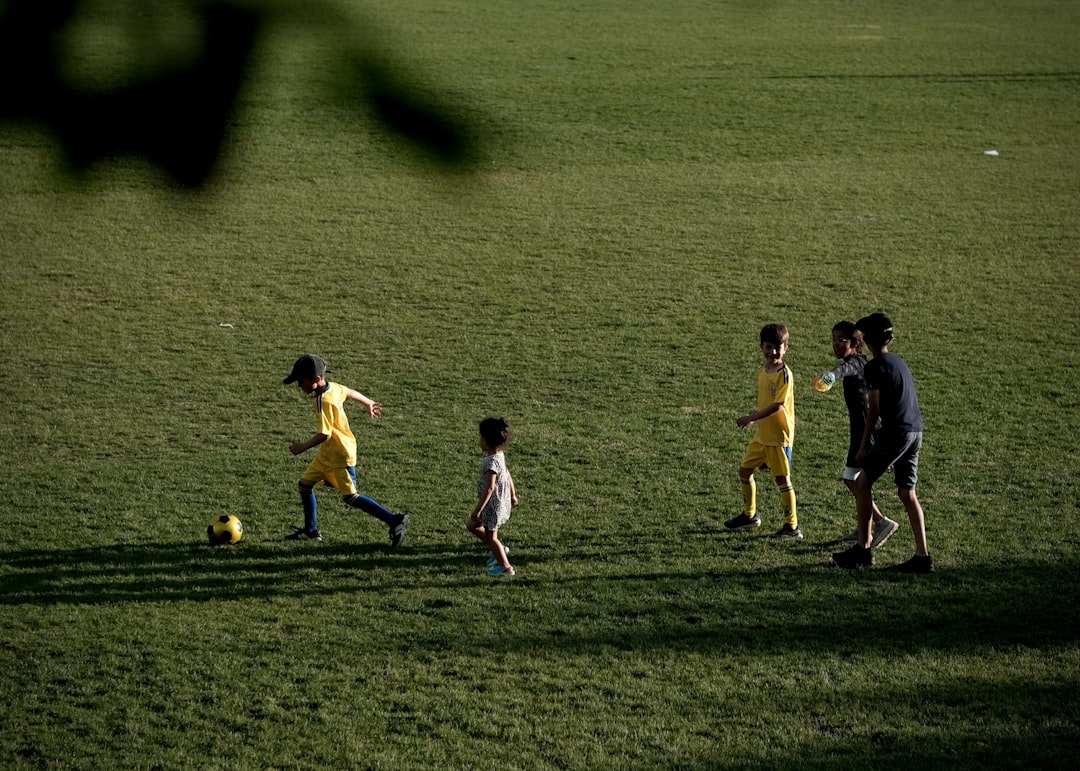
Most children can start an introductory sport program between the ages of three and five. Hot Shots Tennis has a stage for ages 3–5+, while MiniRoos and Cricket Blast begin at four. Auskick starts in the year a child turns five, and NetSetGO starts at five.
Those ages tell you when a child is eligible, not whether every local club offers the same program. The format matters too: a short skills program is a different commitment from weekly training and matches.
Junior sport starting ages at a glance
The following national guidance was checked in September 2026.
| Sport and program | Published age | What children start with |
|---|---|---|
| AFL: Auskick | The year they turn 5 | Weekly football activities and small-group games |
| Football: MiniRoos | Kick-Off: 4–9 Club Football: 5–11 | Either an introductory block or small-sided club football |
| Cricket: Cricket Blast | 4–10 | Game-based batting, bowling and fielding |
| Netball: NetSetGO | 5–10 | Age-based activities followed by modified match play |
| Tennis: Hot Shots | Blue: 3–5+ Red: 5–8+ Orange: 8–10+ Green: 10+ | Smaller courts, suitable racquets and lower-compression balls |
At age five, a child has an entry point in all five programs. For a three- or four-year-old, the published options include Hot Shots Blue, MiniRoos Kick-Off and Cricket Blast. Availability still depends on what nearby clubs, centres and coaches run.
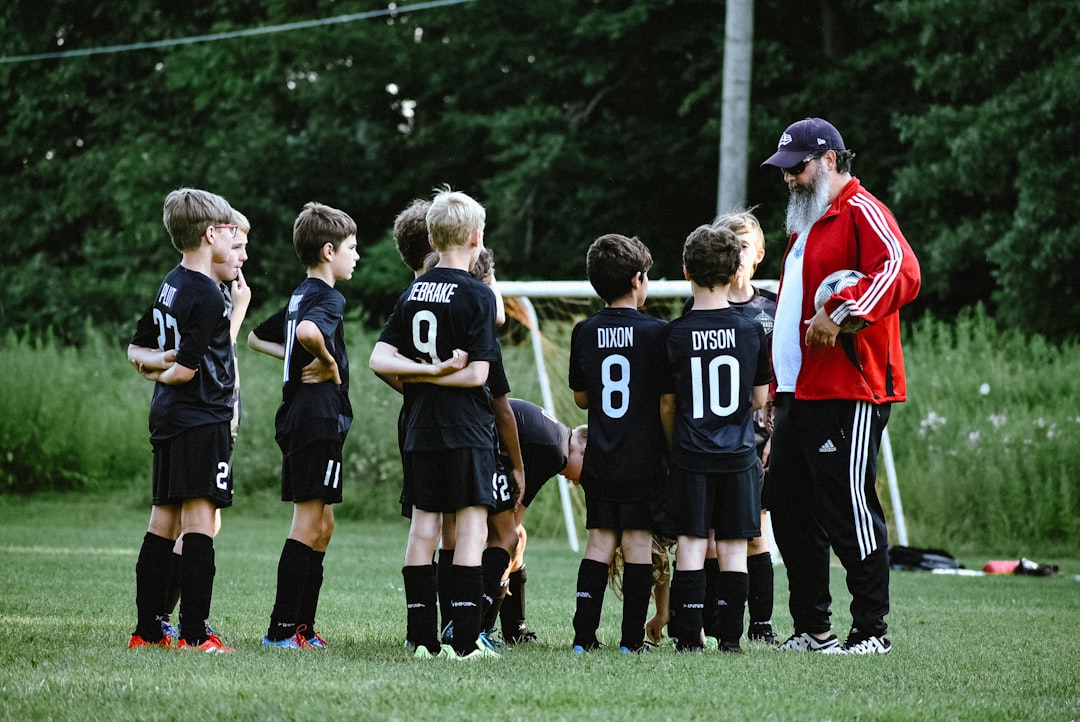
The program name can hide different levels of commitment
MiniRoos is the clearest example. Kick-Off is an introductory program for ages 4–9, usually delivered in sessions of about 45 minutes across a block of four to 12 sessions. MiniRoos Club Football is for ages 5–11 and normally means a winter season with weekly training and a game. Both carry the MiniRoos name, but they suit different families and different levels of interest.
NetSetGO uses fixed age tiers. Net is for ages 5–6 and centres on 45 minutes of activities. Set is for ages 7–8 and splits an hour between skills and match play. Go is for ages 9–10 and includes up to an hour of modified match play and activities. Children can join the tier for their age without completing the earlier stages.
Hot Shots uses age and ability together. Its stages overlap, so the coach may place two children of the same age in different groups. Court size, racquet size and ball compression change as players progress.
Cricket Blast covers a broad age range. From age nine, children may also be eligible for the one-hour Smash Series. Junior club cricket starts from age eight, so an older beginner may have several local options rather than one automatic next step.
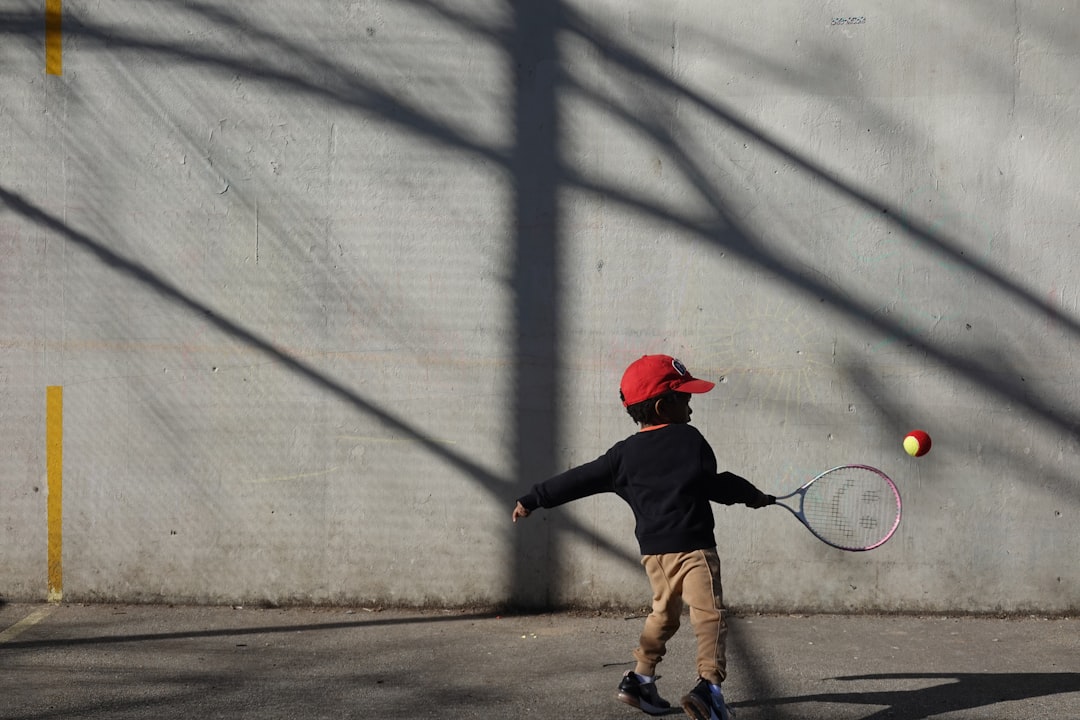
Older beginners have not missed the starting point
An eight-, nine- or ten-year-old does not need to have played since preschool. NetSetGO welcomes all experience levels within its age tiers, Hot Shots placement considers ability, and Cricket Australia lists both entry and club formats across the older primary-school years.
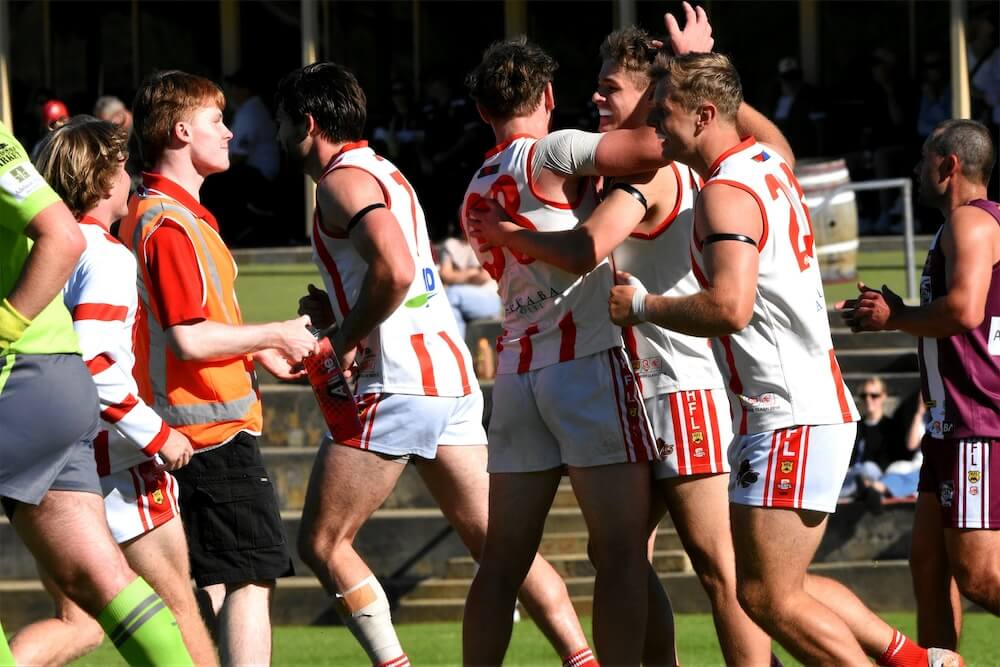
For AFL, Auskick accepts children beyond the usual early-primary years in some locations, but the national guidance recommends checking local pathways for children over eight. Superkick is designed for ages 7–12, while local junior football begins from about seven. Ask the local centre which option is intended for a new player of your child's age.
What to ask before registering
Once you have found an age-appropriate option, these questions reveal more than the program label:
- Is this an introductory skills program or a team that trains and plays matches?
- How long is each session, and how many weeks does the program run?
- Can my child attend a trial or come-and-try session before full payment?
- What equipment is supplied, and what would we need to buy?
- Does an adult need to remain and help during the session?
- What is the next local option when this program ends?
The answers vary by provider. For example, AFL says an adult must remain at community Auskick sessions, and the first session can be tried free where the centre has capacity. Costs, timetables, vacancies and season dates are set locally.
Use KeepActive to find junior sports clubs and activities near you, then compare the actual local session with the national age guide above.