

Disclaimer: The information in this article is general in nature and is not intended to be a substitute for professional medical advice, diagnosis, or treatment. Always seek the advice of your doctor or other qualified health professional before starting any exercise programme or with any questions you may have regarding a medical condition.
You do not need to solve every exercise barrier at once. Identify what blocks your next session, then make that session easier to begin. A short activity at a set time is more useful than a demanding plan you keep delaying.
Start with a repeatable first step
Australia's 2026 movement guidelines recommend moderate-to-vigorous activity for 30 minutes or more on most days. They also say small steps towards the recommendations can still improve your health.
Your first week does not need to meet the full target. Choose something familiar and easy to reach. This could be a ten-minute walk after lunch or a short home session. Keep the first action small enough to repeat on a difficult day.
Give the activity a time and place
Turn a vague aim into one clear appointment. For example, plan a ten-minute walk around the block after lunch on Tuesday. Put it in the same calendar you use for work or family commitments.
A 2020 systematic review examined plans that state when and where activity will happen. These plans worked best for people who already wanted to be active and felt capable of doing the activity. They were not a solution for every person or every barrier.
If your week often changes, add one backup. A lunchtime walk might move to ten minutes at home after dinner. Two realistic options are easier to use than a perfect schedule.
Lower the cost before buying equipment
Cost is a real participation barrier. The Australian Sports Commission reports that 52% of participating Australians aged 15 and over had participation costs in 2025. Among those participants, the average yearly cost was $1,335.
Start with an activity that needs little or no equipment. Walking, stair climbing and simple bodyweight movements can be done without a membership. You can also check free groups before paying for a class or programme.
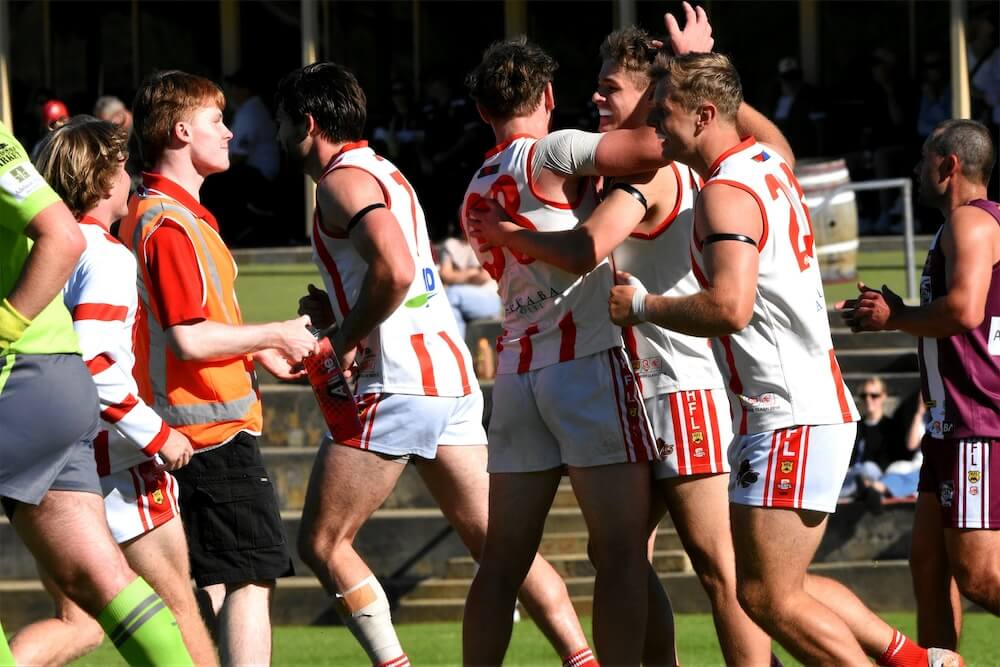
If you are considering organised sport, ask the club about trial sessions, equipment and every fee. Registration and equipment costs vary between sports and clubs.
Choose support that makes attendance easier
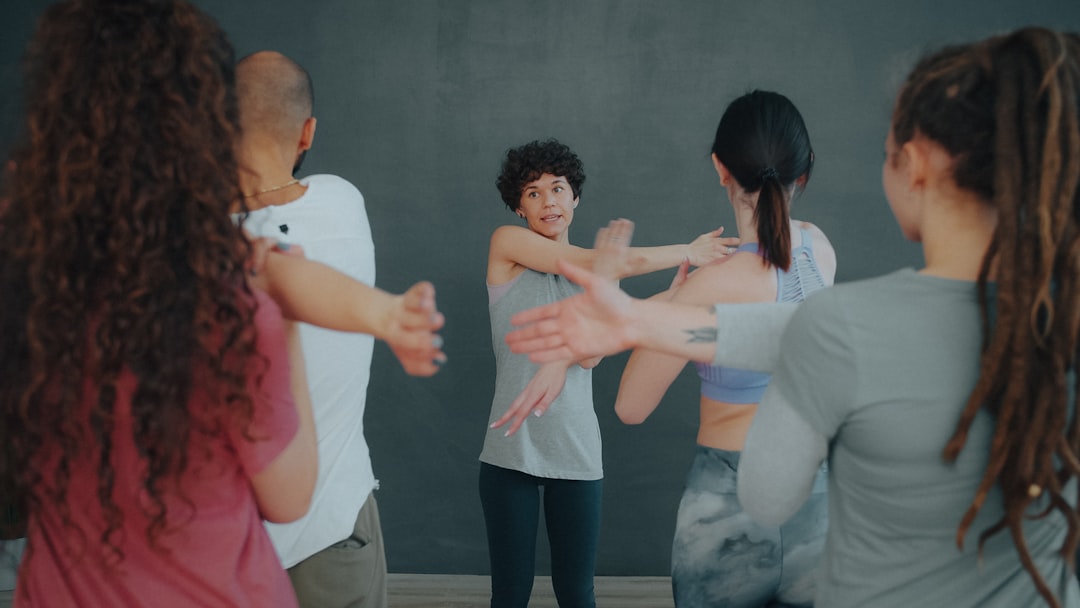
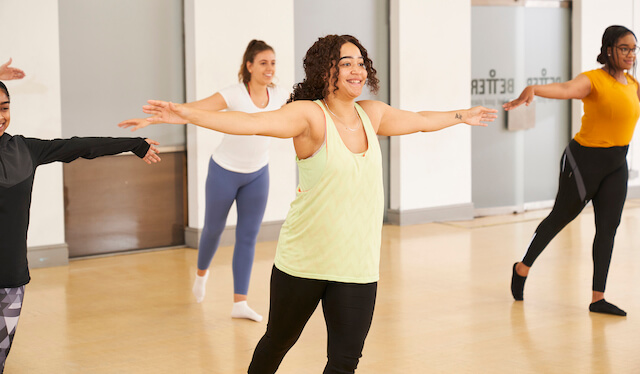
If judgement is the barrier, look for a setting with a clear beginner option. Start with local fitness groups, then ask the organiser about class pace, modifications and accessibility before attending. A friend can also join your first session.
A Melbourne programme story shows how practical support can change participation. Quyen joined the Daughters of the West pilot after a friend suggested it. Five years later, she was facilitating its Vietnamese women's programme and had helped create a weekly walking group.
The programme ran Vietnamese sessions at a regular weekly time. If groups make you uncomfortable, begin at home or choose a quiet time at a familiar place.
Track actions instead of waiting for motivation
A meta-analysis of 89 intervention studies found several techniques linked with better motivation measures. These included goal setting, tracking activity and practising the behaviour. The effects varied, so no single technique worked for everyone.
Keep your record simple. Note the activity, date and minutes completed. After two weeks, check which time and place were easiest to repeat. Change the plan using what you actually did, not what you hoped to do.
Use a completion goal that you control. Completing two short walks is clearer than expecting a certain change in fitness or weight by a deadline.
Adjust the barrier, then try again
When a plan fails, name the exact problem. If the session was too long, shorten it. If travel caused the problem, choose a closer option. If the activity felt uncomfortable, change the setting or ask for beginner support.
Pain, disability or a chronic health condition may change what is suitable. The Australian guidelines advise people to consider tailored help from a qualified health professional when needed.
For your next session, choose one activity, a start time, a short duration and one backup. If any part still feels unrealistic, make that part easier before adding another goal.