

What if your doctor prescribed a walk?
You book a GP appointment expecting the usual: a script, a referral, maybe a follow-up test.
Instead, your doctor asks a different question: Who do you spend time with each week?
Then they suggest joining a walking group.
It might sound unexpected, but it is part of a growing healthcare approach called social prescribing. Across Australia, GPs are increasingly connecting patients with community activities like walking groups, Parkrun, volunteering, and local sport to support both physical and mental health.
The idea is simple: health is shaped by more than medicine. Connection, movement, routine, and community matter too.
What is social prescribing?
Social prescribing is when a GP or health professional connects someone with community-based activities or support instead of, or alongside, traditional medical treatment.
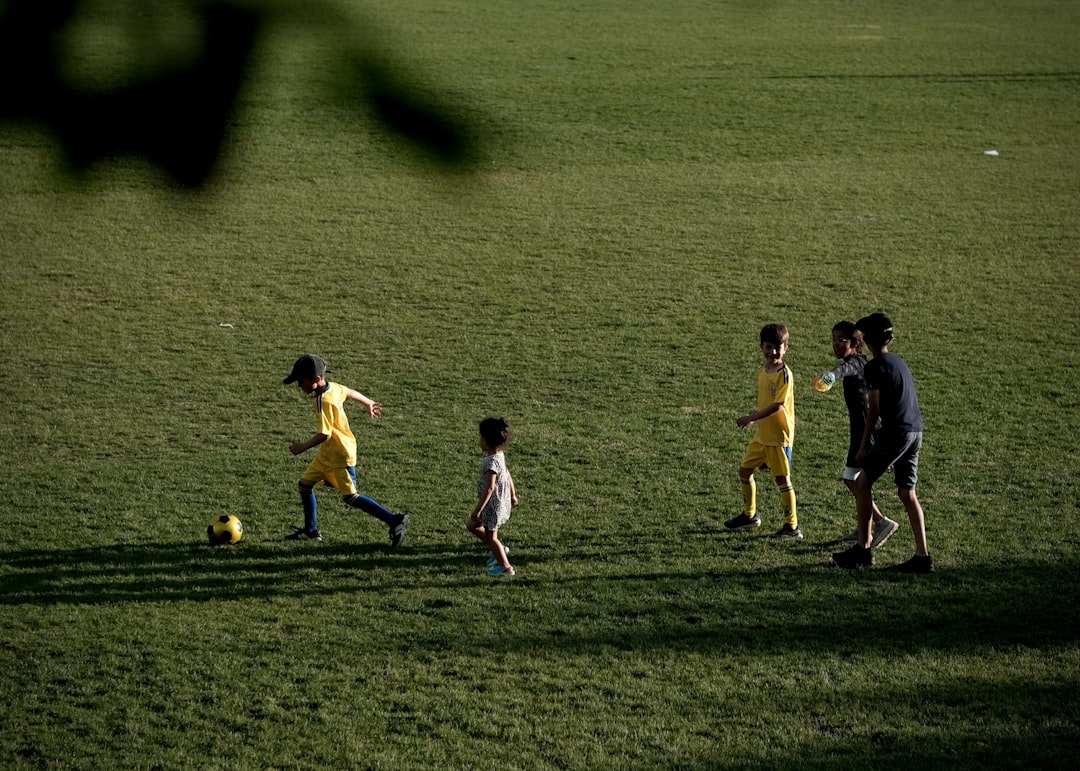
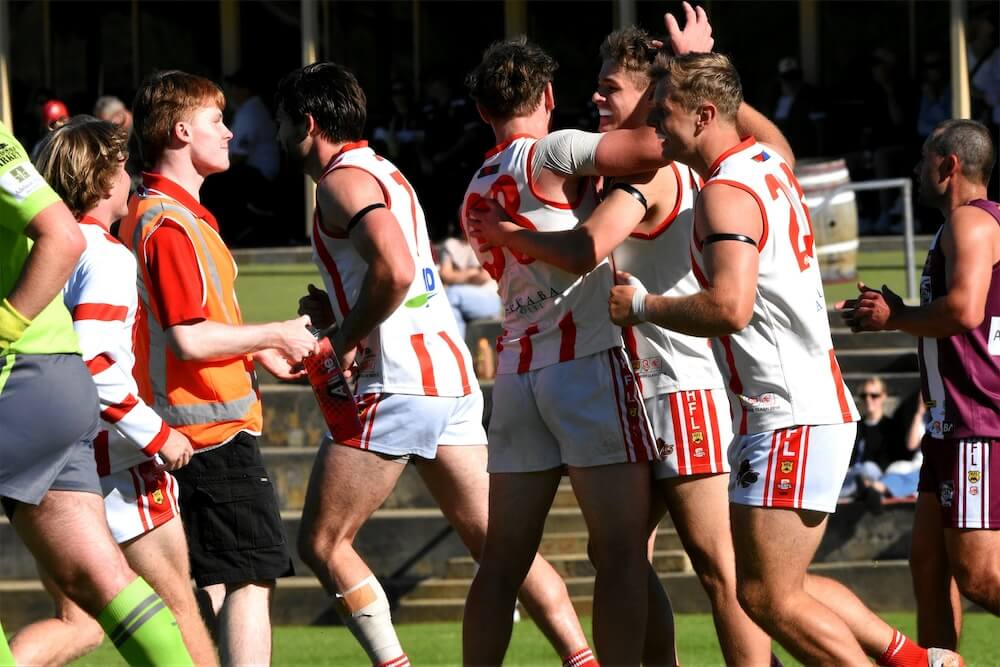
That could mean joining a walking group, attending a local fitness class, volunteering, or becoming part of a sporting club.
It is not designed to replace medication or medical care. It helps address parts of health that prescriptions alone often cannot reach, especially social connection, routine, and physical activity.
For someone managing chronic pain, mild depression, anxiety, or the loss of routine after retirement, a weekly activity can provide structure and connection in a way that feels practical and achievable.

In March 2026, the RACGP called for social prescribing to be recognised as essential healthcare, arguing that community connection should be considered part of mainstream treatment, not an optional extra.
Why loneliness matters to your health
Loneliness is often treated like an emotional issue, but it has very real physical effects.
In Australia, around one in three adults experiences loneliness or social isolation. Among younger Australians, that rises to two in five.
Research continues to link long-term social isolation with poorer health outcomes, increased healthcare use, and reduced quality of life.
The challenge is that loneliness rarely shows up directly in a GP appointment. People usually talk about feeling tired, stressed, unmotivated, or physically unwell.
Social prescribing gives doctors another way to respond by addressing what may be sitting underneath those symptoms.
What does social prescribing look like?
There is no single social prescribing programme. It works by connecting people with activities already happening in their community.
That might include:
- Parkrun — Free weekly 5km community events held at hundreds of locations across Australia. You can walk, jog, run, volunteer, or simply enjoy the social side afterwards.
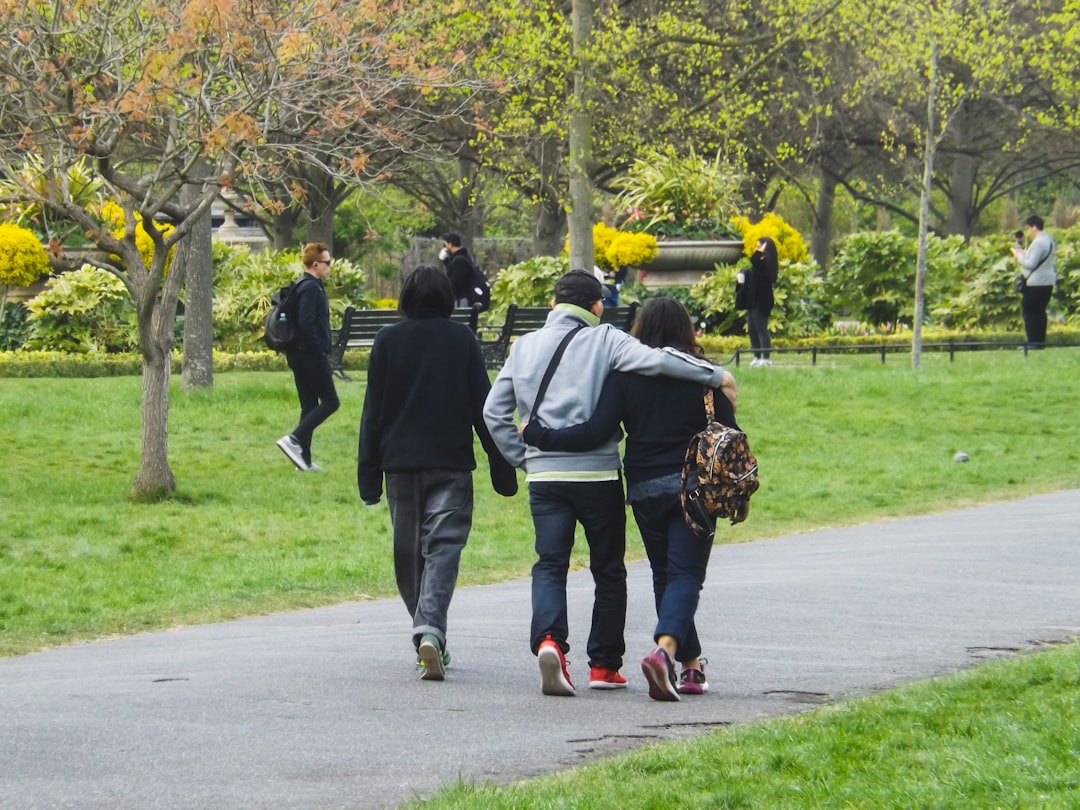
- Heart Foundation Walking — Regular local walking groups designed around community connection and gentle movement.
- Local sport and fitness groups — Activities like walking groups, lawn bowls, and swimming sessions create regular opportunities to move and meet others.
- Volunteering, arts, and community groups — Social connection can come in many forms, and not all of them involve exercise.
Across Australia, Primary Health Networks and community organisations are building stronger pathways between healthcare and local activities.
On the Gold Coast, for example, the Gold Coast Primary Health Network supports GPs and health professionals to connect people with local community services and activities.
Does social prescribing actually work?
Early evidence is promising.
An Australian evaluation involving injured workers found social prescribing was linked with fewer weekly health service contacts, including GP visits.
That suggests people may feel more supported, more connected, and better able to manage their health day to day.
Research is also exploring how social prescribing can support older Australians, who often face higher rates of social isolation during major life transitions like retirement, relocation, or bereavement.
Internationally, the model is already more established. The UK's National Health Service introduced social prescribing into primary care in 2019, with link workers helping connect patients to local community activities.
Australia is still earlier in the journey, but momentum is building.
You do not need a referral to start
One of the most practical things about social prescribing is that you can start today.
You do not need to wait for a GP to recommend it because the activities already exist.
If you have been feeling disconnected, less active, or stuck in the same routine, here are a few simple starting points:
- Find your local Parkrun — Read our Parkrun guide and find an event near you. Walking the full course is completely normal.
- Join a walking group — Browse walking groups near you. Many are beginner-friendly and free to join.
- Try a social sport — Explore local activities on KeepActive. Sports like pickleball, lawn bowls, and social tennis can be great ways to ease back into movement.
- Ask your GP — If you are already seeing a doctor regularly, ask whether they know of any local social prescribing pathways or community programs.
The bigger shift in healthcare
Social prescribing reflects a bigger change in how we think about health.
It recognises that people are not just symptoms to manage. Health is shaped by movement, relationships, purpose, and belonging.
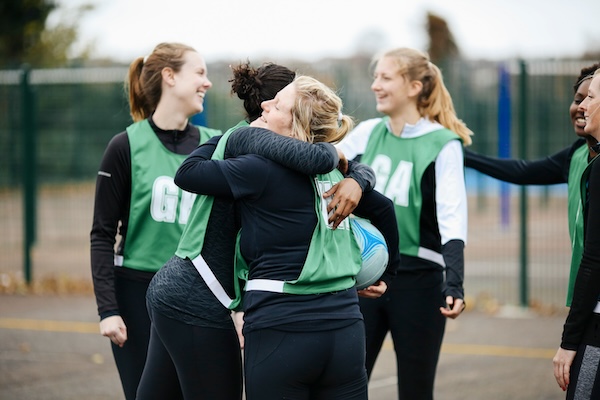
A weekly walking group can support fitness, build routine, and create meaningful social connection all at the same time.
That is why the RACGP is encouraging stronger support systems around social prescribing, including clearer referral pathways and more community-based link workers.
Because sometimes the most helpful next step is not another prescription.
Sometimes it is finding a group, showing up, and doing something active alongside other people.