
Disclaimer: The information in this article is general in nature and is not intended to replace personalised medical advice. Speak with a qualified health professional before starting a new exercise programme if you have concerns about your health or a medical condition.
At 25, Jordana Blackman had a charity ride on her calendar and one awkward problem: she had never learnt to ride a bike. She learnt as an adult, completed Melbourne's Ride to Conquer Cancer in 2012 and later founded Chicks Who Ride Bikes, an organisation that helps women connect with riders at a similar level.
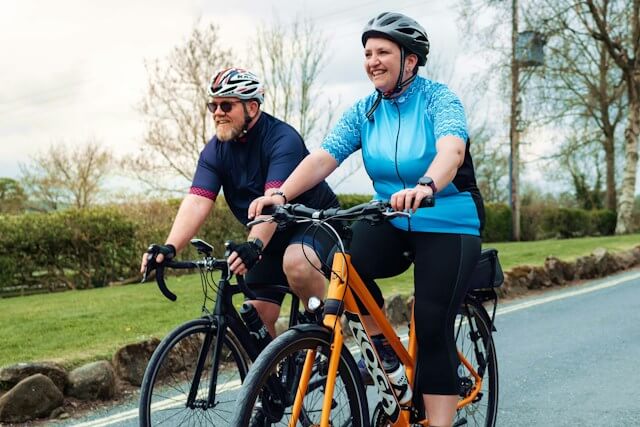
Her story is an extreme version of a common challenge. Finding people to ride with is easy; finding people whose pace, route and attitude suit you takes a little more care. The right cycling group gives you a reason to show up, local knowledge and room to improve. The wrong match can turn the first hill into a lonely chase.
If you are ready to look, browse cycling groups across Australia or see upcoming cycling events on KeepActive. You can also use AusCycling's national club finder. Before joining a ride, contact the organiser and compare the details below.
Why join a cycling group?
Riding alone puts every decision on you: the route, the pace, where to turn and what to do about a slipped chain. A well-run group shares some of that load. Regulars know which roads are calmer early in the morning, where a gravel route becomes too rough for narrow tyres and how the bunch signals a pothole.
AusCycling's Group Ride Guidelines identify social connection, pacing, visibility and mechanical help as benefits. Much of the learning happens in small moments rather than formal coaching sessions.
Helen Johnson joined She Rides On the Boulie in 2014 because she wanted company. The St Kilda Cycling Club ride helped her learn cornering, descending, gear use and tube changes; she later became a ride leader. In 2024, the group celebrated 10 years of Tuesday-morning rides along Melbourne's Yarra Boulevard, with post-ride coffee still central to the routine.
The best group ride leaves you more capable, not merely more tired.
Choose the kind of riding you want
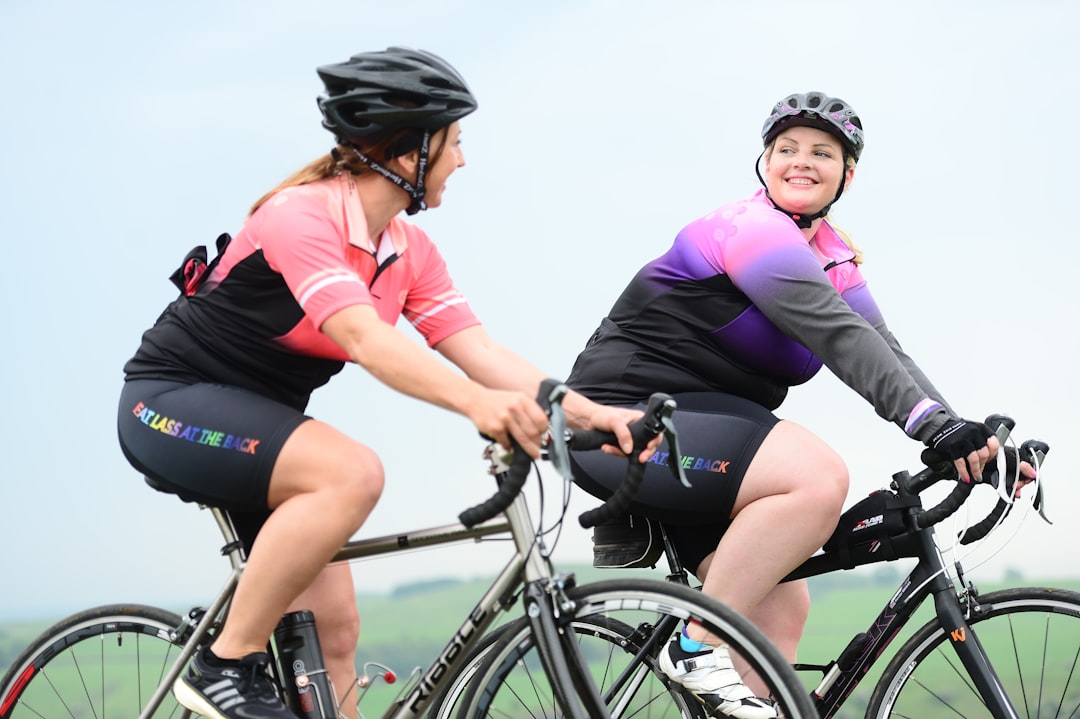
“Cycling group” can mean a relaxed shared-path loop, a road-training bunch, a coached junior session or a day on mountain bike trails. Gravel, BMX, track, e-bike, family and identity-based groups each create a different experience. Start with the purpose, not the kit.
In Wollongong, the Social Women's Intercultural Friendship Tricycling/Bicycling Club, known as SWIFT, brings together older women, cancer survivors and women from multicultural backgrounds. It offers bicycles, tricycles and culturally appropriate cycling and maintenance workshops, making companionship and confidence more important than speed.
Member Nigar Dilber told SBS she felt nervous returning to a bike after about 30 years. Her experience is a useful reminder that “beginner” can mean learning from scratch, returning after decades or simply being new to riding in a bunch. A group's teaching style and welcome may matter as much as its route.
Families need a different fit again. Camden Cycle Club's Rockets programme has introduced more than 100 young riders to skills sessions, social rides and racing pathways since 2022. Most Sunday sessions at Narellan Sports Hub cover bike handling, cornering and bunch riding.
A coffee ride may not satisfy someone training for a criterium. A racing club may not suit someone who wants a chat on a shared path. Neither is better; they are designed for different riders.
Affiliated club or informal group?
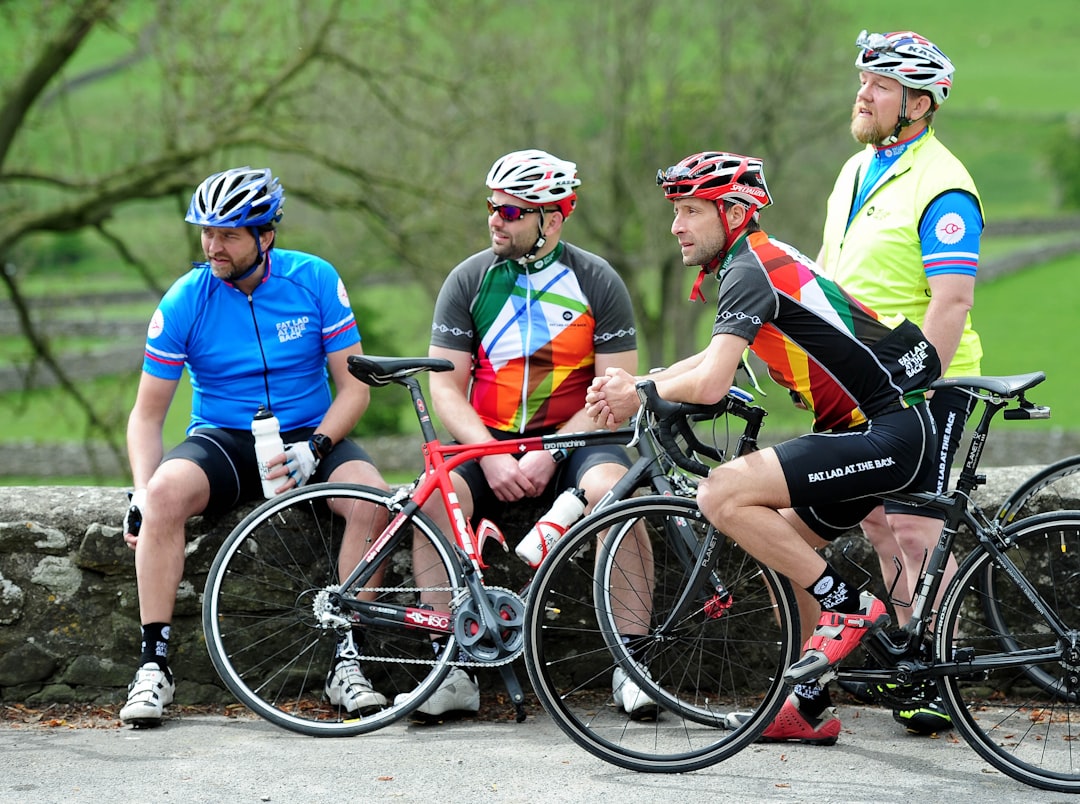
An affiliated club can offer structured rides, coaching, events and a progression path. For affiliated group rides, AusCycling's guidelines call for an appointed ride leader, a participant record and a ride that is not run as a race. They set a maximum ratio of one ride leader to 29 participants, with smaller groups recommended for poor weather, technical terrain and less-experienced riders.
Informal bunches organised by friends, bike shops or online communities can offer more flexible schedules and a lighter commitment. Their leadership, regrouping arrangements and insurance position vary, so ask who makes decisions, what happens after a mechanical problem and whether riders are expected to find their own way home if they lose contact.
Club affiliation is not a guarantee that every ride will suit you, and an informal group is not automatically disorganised. What matters is whether the group clearly explains how it operates and then follows through.
Decode pace, distance and “no-drop”
People use the word “easy” differently. A strong road rider may mean 70 kilometres without attacks on the hills. A returning rider may picture 20 flat kilometres with two stops. Ask for the route distance, elevation, surface and usual moving speed in numbers.
“No-drop” normally means the group plans not to leave anyone behind, but the details still matter. Some rides regroup after each climb; others appoint a back marker or split into pace groups. Ask what happens if you cannot hold the advertised speed or have a puncture.
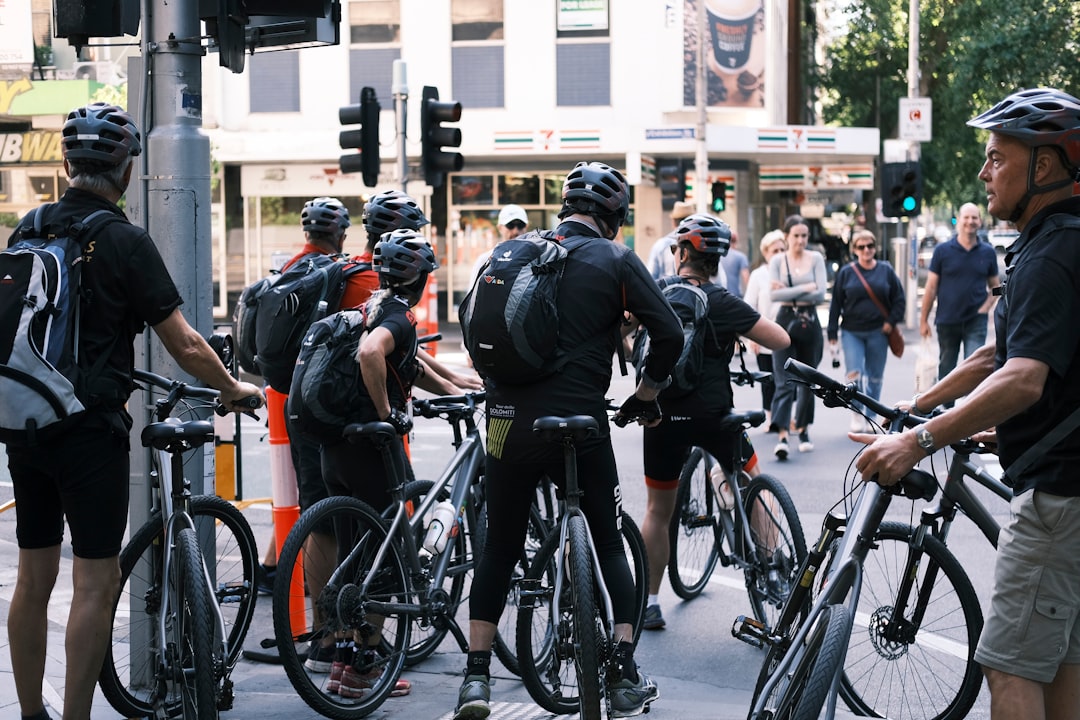
The contrast can be dramatic. Melbourne's Hell Ride is an unowned, high-speed training bunch rather than a beginner club session. ABC News described an 80-kilometre ride from Black Rock to Mount Eliza that can attract as many as 200 riders. Regulars value its speed, predictability and community; those same qualities make it a demanding first bunch ride.
Questions to ask before your first ride
Tell the organiser what bike you use, your longest recent ride and a pace you can sustain on similar terrain. Then ask:
- Is this a social, training or race-focused ride, and is it suitable for a first group ride?
- What are the usual distance, climbing, surface and moving speed?
- Is the ride no-drop? Where does the group regroup, and is there a back marker?
- Which bike, tyre type, lights, tools and spares does the group require?
- Who leads the ride, and what is the plan for a puncture, crash or rider who cannot continue?
- Can a newcomer try one ride? What membership, club fee or insurance conditions apply?
A useful answer sounds like “38 kilometres at an average moving speed of 23 km/h, with waits after two climbs.” A label such as “social” or “steady” tells you much less.
Find a group, then judge the trial ride
Shortlist three to five groups that match your surface, schedule and purpose. A club may run several bunches, so a fast Saturday session does not rule out a gentler midweek ride. Contact the organiser before turning up; some rides require registration or membership cover.
Searching in Melbourne? Compare cycling groups in Melbourne and Melbourne cycling events. Sydney riders can browse cycling groups in Sydney or check the Sydney cycling events calendar. These city pages are a quick way to see local options before expanding the search to surrounding suburbs.
AusCycling says its network includes more than 450 clubs across multiple cycling disciplines. First-time members can also use a 30-day free trial for club rides and club-level activities. As at September 2026, an adult Ride membership is listed at $149 per year; individual clubs may charge a separate fee. Check the current price, eligibility and insurance details before signing up.
During the trial, watch what the group does. Does somebody introduce you and explain the route? Do leaders check the back after a hill or traffic light? When the bunch splits, does somebody say where it will regroup? Does a mechanical problem prompt practical help? Those details reveal more than matching jerseys or polished social posts.
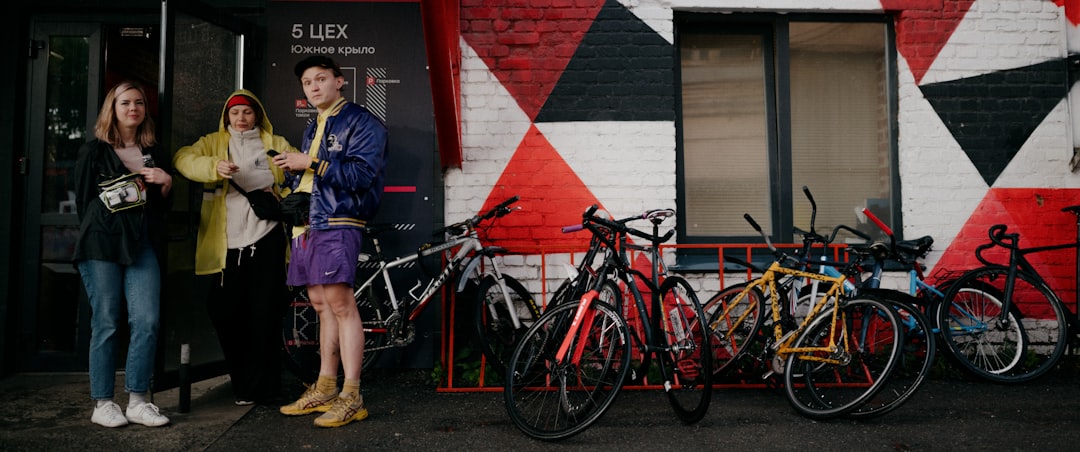
What to expect on your first group ride
Confirm the group's required equipment in advance. A road bunch may expect working front and rear lights, a spare tube that fits your tyres and tools to use it; a mountain bike ride may specify trail difficulty or protective gear. Arrive early enough to hear the route and hand-signal briefing rather than joining as the group rolls away.
Tell the leader if riding two abreast, calling hazards or taking a turn at the front is new to you. Holding a predictable line and avoiding sudden braking are learnt bunch skills, not knowledge a newcomer should be expected to guess.
After the ride, compare the experience with what the organiser promised. A suitable group should make its expectations clear and give you a realistic path to the next ride. If the pace, terrain or culture did not fit, try another bunch rather than deciding group riding is not for you.
Frequently asked questions
Do I need a road bike to join a cycling group?
No. Australian groups cover road, gravel, mountain bike, BMX, track, e-bike and social riding. The important question is whether your bike and tyres suit that particular route and pace.
How fast do beginner cycling groups ride?
There is no standard beginner speed because terrain, distance and surface change the effort. Ask for the usual moving-speed range and elevation, then compare it with a recent solo ride on similar ground.
Does no-drop mean nobody is left behind?
That is the general intention, but every group handles it differently. Confirm the regroup points, whether there is a back marker and what happens if a rider cannot continue.
Can I try a club ride before paying?
Many groups allow a trial, but arrangements vary. AusCycling offers eligible first-time members a 30-day free trial for affiliated club rides and club-level activities, while independent groups set their own conditions.