
Cost is changing how many Australians exercise. A report on new cost research said 53.3% of adults had changed at least one fitness behaviour because of price pressure over the past year. Some switched to free options such as running, outdoor exercise or home workouts. A smaller group stopped exercising altogether.
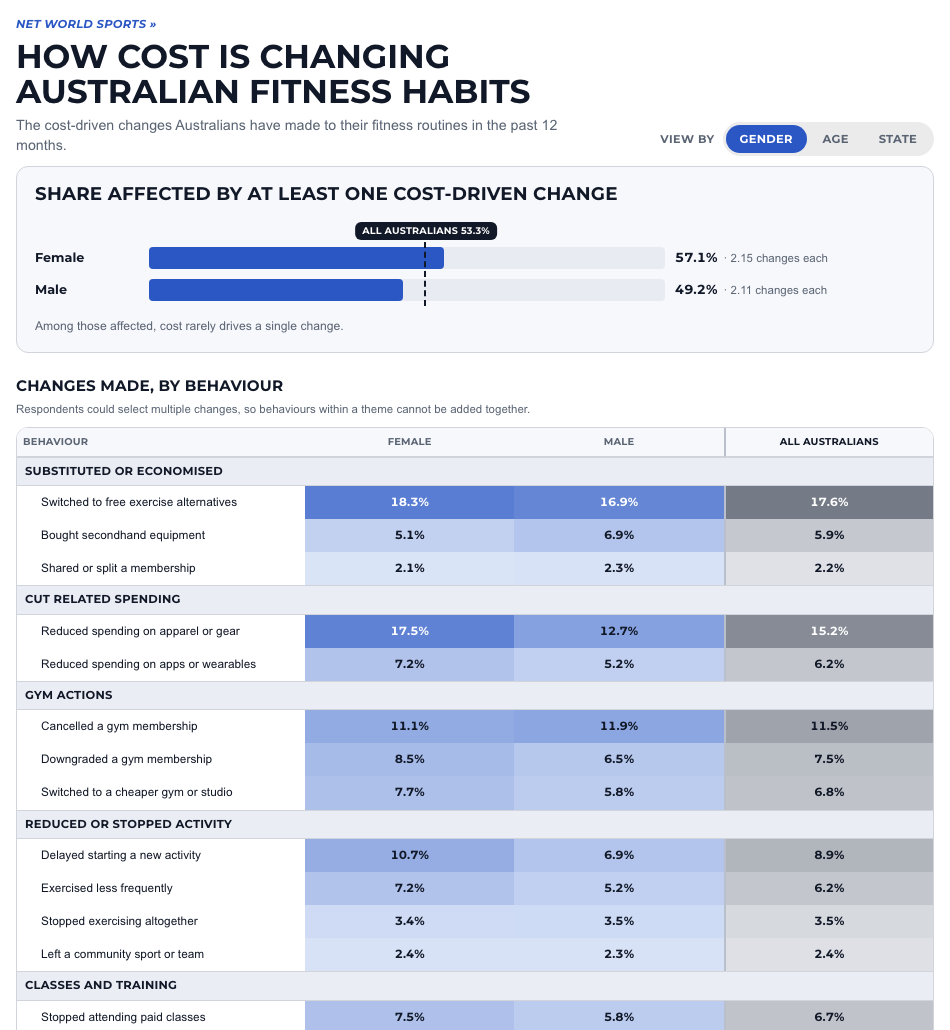
The useful answer is not simply choosing the cheapest option. A cheap membership you rarely use can cost more per session than a pricier class you attend every week. The better check is the full monthly cost, the travel time, the contract and whether the activity is easy to repeat.
What the new cost research adds
The Net World Sports analysis brings together AusPlay spending data, ABS earnings and price data, advertised gym membership prices and a survey of Australian adults. It is useful because it compares paid activity types, not just gym fees.
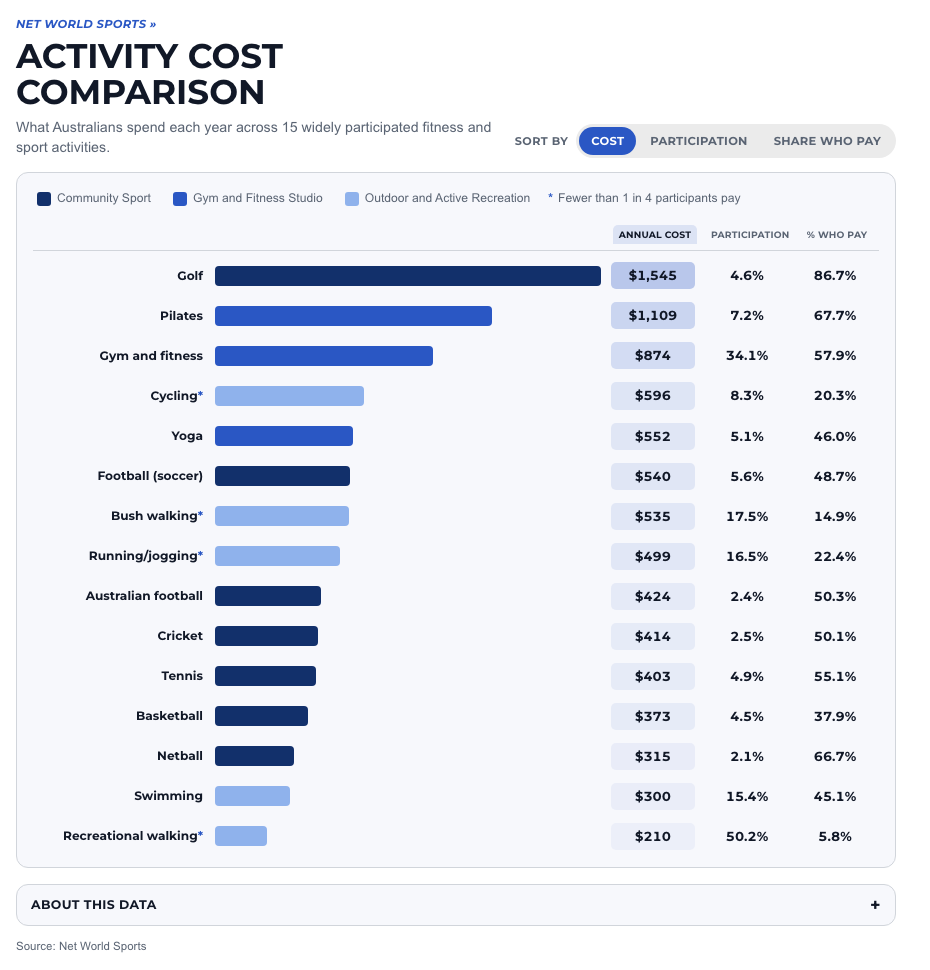
The headline numbers show a wide spread. The research puts golf at an average $1,545 a year for participants who pay, while recreational walking sits at $210. Gym-based fitness averages $874 a year, Pilates $1,109 and yoga $552.
The same report says only 5.8% of recreational walkers pay anything, while 86.7% of golfers do. That difference matters. Some activities cost less because most people can do them without fees, equipment upgrades or formal bookings.
Gym and studio costs need a full-price check
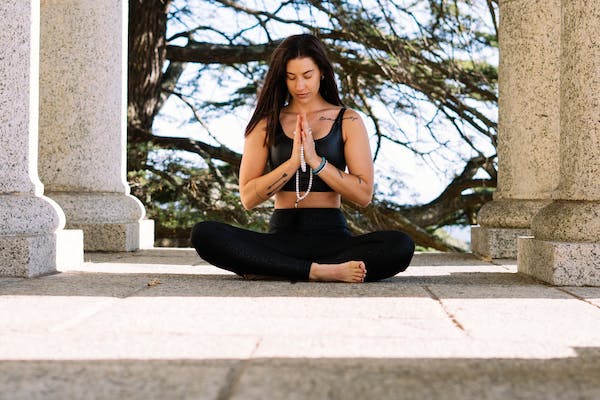
Gyms and studios can be good value when they fit your week. They become expensive when the weekly price hides fees, travel time or classes you cannot attend.
The research found gym and fitness studio activities were the most expensive category in every state and territory. Annual costs ranged from $663 in South Australia to $1,037 in the ACT. It also reported that entry-level prices across three national gym chains rose from $19.31 a week in 2021 to $24.32 in 2026.
Before joining, compare the total monthly cost. Include the joining fee, access tag, direct debit fee, class upgrade, freeze rule, notice period and cancellation fee. The ACCC has warned gyms before about membership advertising when no-contract claims still involve conditions.
If you are choosing between paid options, run the numbers by expected attendance. A $25 weekly membership used eight times a month is about $12.50 a visit. Used twice a month, it becomes about $50 a visit before fees.
Community sport costs vary by activity
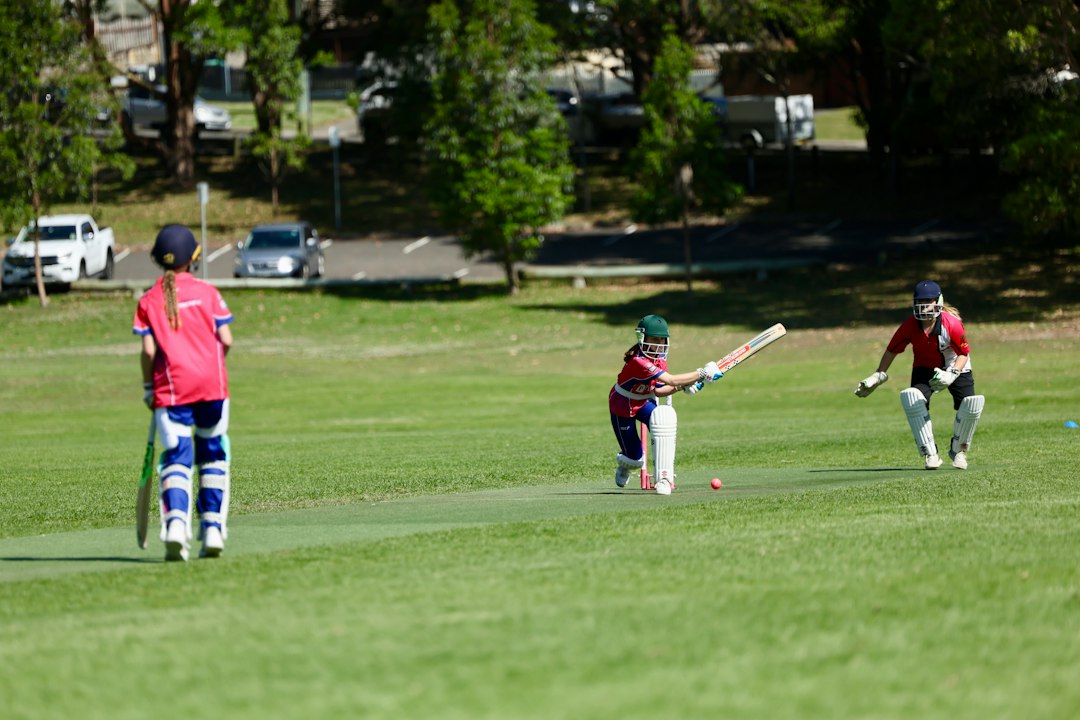
Community sport is not one price category. In the Net World Sports analysis, soccer averaged $540 a year for those who pay. Australian football averaged $424, cricket $414, tennis $403, basketball $373 and netball $315.
Those figures do not mean every club will match the average. A season can include registration, insurance, uniforms, equipment, travel, finals fees or social costs. Junior sport may also involve different family costs from adult social competitions.
The first step is still to contact local clubs or organisers and ask what is included. If you are comparing club sport with a gym or studio, compare the same period. A six-month season should be compared with six months of membership, not one weekly gym payment.
Free activity still needs structure
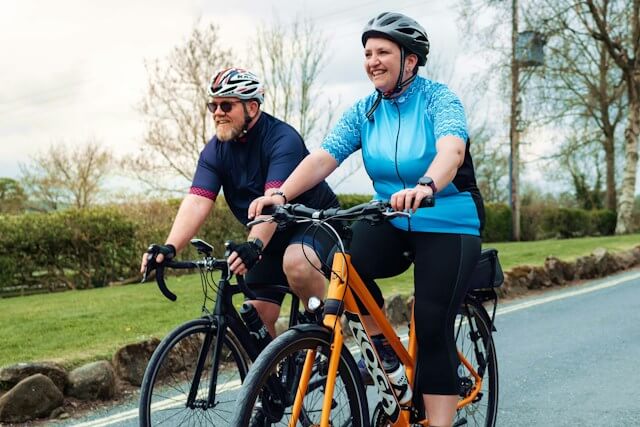
Free activity can be the right switch when cost is the main barrier. Walking, running, outdoor courts, home workouts and some community sessions can reduce the money problem quickly.
The Australian Sports Commission's latest AusPlay release says the most popular activities for Australians aged 15 and over are recreational walking, fitness/gym, bush walking, running/jogging and swimming. That helps explain why free or low-cost options matter. They are not fringe choices.
Free options still need a plan. A walk you might do sometime is easy to miss. A regular group, set route or booked session makes the decision smaller.
Where to look for lower-cost options
Start with free groups on KeepActive if you want a local option with a regular time or organiser. You can also search broader activity groups, then compare free and paid listings near your suburb.
For one-off sessions, check the KeepActive event calendar for free activities. For places to be active, use the venue directory to look for courts, pools, gyms and recreation spaces close to home.
Outside KeepActive, local councils are often worth checking. Look for free fitness in parks, walking groups, school-holiday sport, seniors programmes, pool passes and casual court access. Confirm dates and booking rules before travelling, because council programmes can fill quickly.
Keep, change or drop the paid option
Cost pressure does not always mean a paid activity should go. It may mean one paid session is worth keeping while another subscription is not.
Use one month as the test period. Write down the full cost, the number of times you actually attended, the travel time and the reason you went back. Then compare it with one lower-cost option.
- Keep it if you attend often, enjoy it and understand the contract.
- Change it if the activity works but the timing, venue or price does not.
- Drop it if the cost keeps coming out and the routine has already stopped.
Australia's adult movement guidelines encourage regular activity and muscle-strengthening activity on at least two days each week. They do not require one specific format. A gym, club, class, walking group or outdoor routine can all have a place if the cost and schedule work.

A simple comparison before you pay
Before you join, renew or cancel, compare the option against your real week. Ask what it costs per month, when you will go, what happens if you miss two weeks and how hard it is to leave.
The best value is the option you can repeat without money stress. Sometimes that is a paid class with a clear booking. Sometimes it is a free Saturday group, a local court, a walking route or a cheaper sport season. The right choice is the one that keeps both the activity and the budget workable.