

Disclaimer: The information in this article is general in nature and is not intended to be a substitute for professional medical advice, diagnosis, or treatment. Always seek the advice of your doctor or other qualified health professional before starting any exercise programme or with any questions you may have regarding a medical condition.
Loneliness was linked to the largest quality-of-life drop among Australians aged 15 to 24 in a new Monash study. The finding matters because loneliness is not the same as being alone. A young person can have classes, work, housemates or online contact and still feel disconnected.
The study does not say sport or exercise is a cure for loneliness. It does show why social connection needs attention for young Australians. Low-pressure group activity can be one useful place to start, especially when it gives people a repeated reason to see familiar faces.
What the Monash study found
The research used more than 53,000 observations from almost 22,000 Australians aged 15 and over. The data came from four waves of the Household, Income and Labour Dynamics in Australia survey.
Researchers followed people over time and looked at changes in loneliness, social isolation and health-related quality of life. The analysis accounted for changes in employment, income, health conditions and major life events.
Among 15 to 24-year-olds, loneliness alone was reported by 18% of people. That was higher than the 12% reported among people aged 65 and over.
The strongest age-specific result was also in the youngest group. Loneliness was associated with a 0.079-point drop in health utility among 15 to 24-year-olds. Health utility is a standard measure that combines different parts of health and wellbeing into one score.

Loneliness and social isolation are different
The study separates loneliness from social isolation. Loneliness is about how satisfied someone feels with their relationships. Social isolation is about having fewer relationships or less frequent contact.
That difference changes the way people should think about the problem. A person can be socially isolated but not lonely. Another person can see people often and still feel lonely.
Across all ages in the Monash study, loneliness alone was linked with a larger quality-of-life drop than social isolation alone. The biggest drop appeared when both happened together.
AIHW also treats the two ideas as separate. Its national reporting says young people aged 15 to 24 had the most pronounced increase in loneliness during the pandemic period, rising from 13% in 2019 to 18% in 2020 and 2021.
What the research does not prove
This was observational research. It can show that changes in loneliness and social isolation were linked with changes in quality of life. It cannot prove that loneliness directly caused every change in health-related quality of life.
The Monash article also notes a key limit. Other unmeasured factors could contribute to the link. For example, loneliness or social isolation can sometimes reflect the severity of an underlying health condition.
That limit does not make the finding useless. It means the result should guide better questions. For young Australians, the question is not only whether they have people around them. It is whether their relationships feel meaningful enough to support daily life.
Why activity groups can help some people
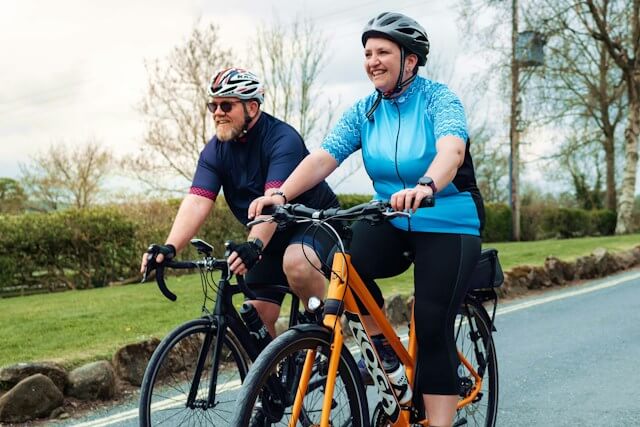
Activity groups are not mental health treatment. They can still help with one practical barrier: starting contact. A regular walk, beginner class, social sport session or community fitness group gives people something to do together before they know each other well.
Australia's physical activity guidance says being active supports health and wellbeing for adults. For 18 to 64-year-olds, the guidelines recommend moving regularly, reducing long sitting time and doing strengthening activity at least two days each week.
For 15 to 17-year-olds, the national movement guidelines recommend at least 60 minutes of moderate-to-vigorous activity each day. They also encourage positive social interactions and healthy boundaries around sedentary screen time.
The social part matters here. If someone feels lonely, a group activity should feel safe, repeatable and low pressure. A one-off session can be pleasant, but a weekly routine gives connection more time to form.

How to choose a low-pressure first step
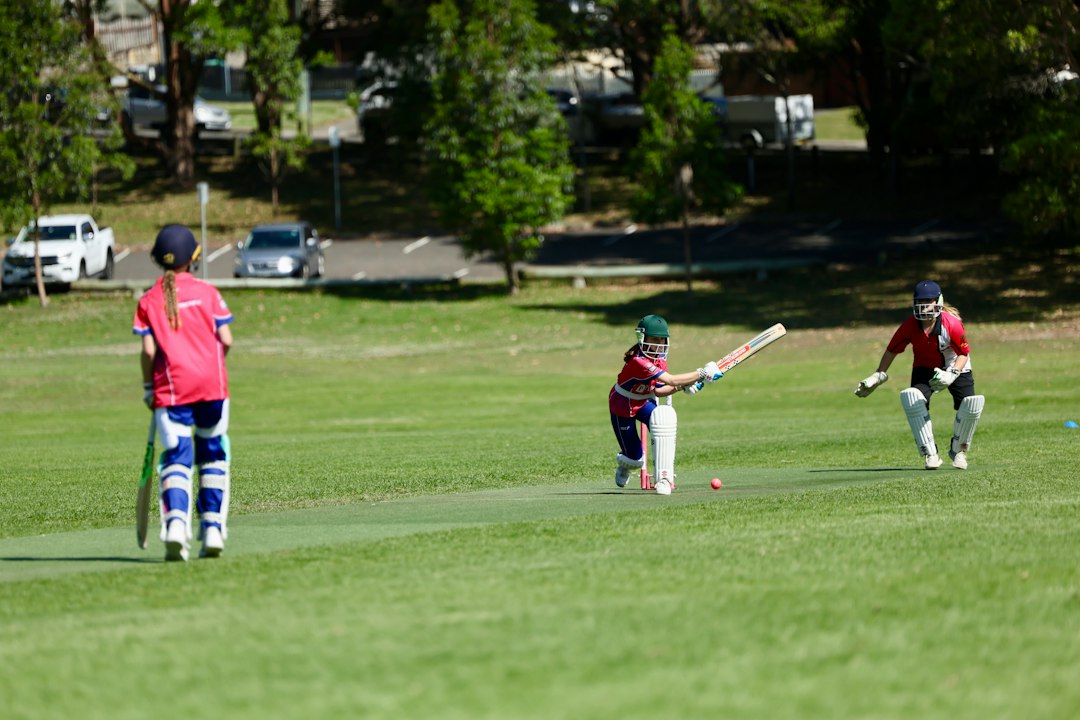
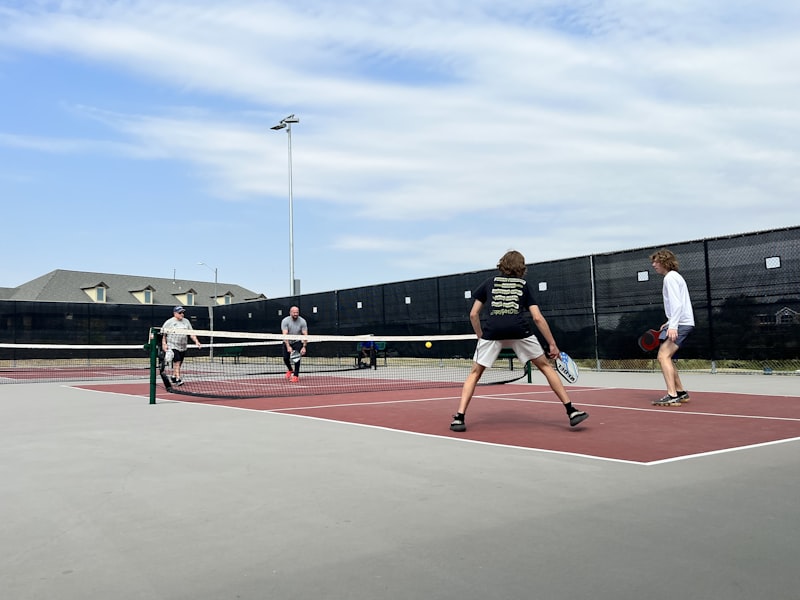
Start with local groups on KeepActive, then look for an activity that matches the person's energy, budget and comfort level. Walking groups, beginner fitness classes and casual social sport can all work, but the best option is the one they are likely to repeat.
A good first step usually has three features. It happens regularly, it does not require advanced skill, and it gives people a reason to talk without forcing a deep conversation. Walking groups are often useful because people can talk side by side. Beginner classes can work when the instructor sets a friendly tone.
If cost is a barrier, filter for free or low-cost groups where possible. If confidence is the barrier, contact the organiser first and ask what happens in the first session. For organised sport, confirm whether trial sessions are available and whether registration is needed before taking part.
- Choose a session that meets at the same time each week.
- Look for beginner-friendly wording, not only performance goals.
- Ask whether a friend can come along for the first session.
- Pick an activity that still feels manageable on a low-energy day.
When activity is not enough
Some loneliness is tied to grief, anxiety, depression, family stress, bullying or a major life change. In those cases, an activity group may support connection, but it should not replace care from a GP, counsellor or youth mental health service.

headspace says loneliness can be a sign that someone is seeking more meaningful connection, support or understanding. Its young-person resources also point to support through headspace services, a GP or other mental health services when someone needs more help.
The Monash finding is a reminder to take young people's loneliness seriously. If the first activity does not feel right, that does not mean connection is out of reach. It may mean the format, group or timing was wrong, and the next check should be for a safer fit.