
Disclaimer: The information in this article is general in nature and is not intended to be a substitute for professional medical advice, diagnosis, or treatment. Always seek the advice of your doctor or other qualified health professional before starting any exercise programme or with any questions you may have regarding a medical condition.
At 8.09am on a Wednesday in Flagstaff, Arizona, a 34-year-old physical therapist from Colorado jogged across a finish line and quietly rewrote what people thought was possible in 250-mile ultramarathons. Rachel Entrekin had been moving for more than two straight days. When she crossed the line, she had finished ahead of every other runner in the race, men and women included.
It was her third straight Cocodona 250 victory. But this time she did not just win the women’s race. She won the entire event outright.
What is the Cocodona 250?
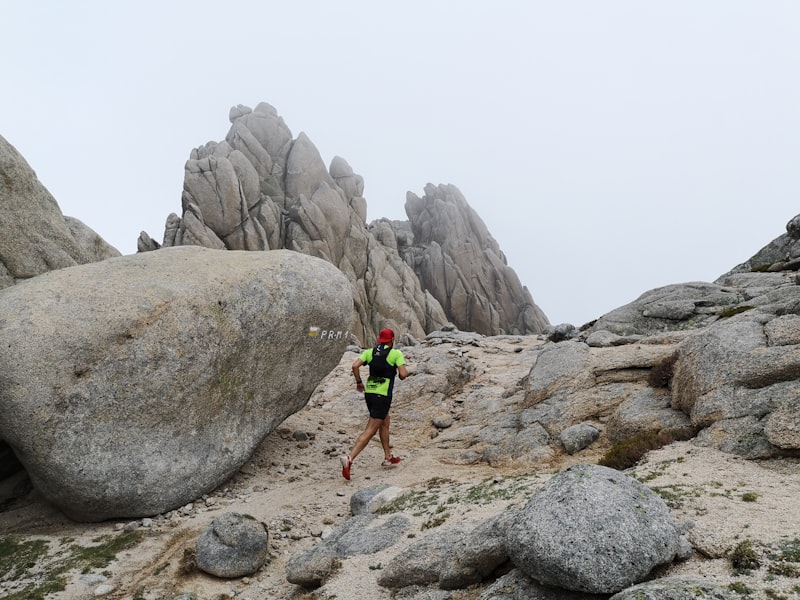
The Cocodona 250 is one of the toughest ultramarathons in the world. The race stretches roughly 253 miles from Black Canyon City to Flagstaff in Arizona and includes nearly 39,000 feet of climbing.
That is roughly the distance from Sydney to Coffs Harbour, combined with thousands of metres of elevation gain through desert trails, mountains and rocky terrain. Many runners spend five days or more on the course. Some never reach the finish line.
According to iRunFar’s official race report, Entrekin finished in 56 hours, 9 minutes and 48 seconds. She became the first woman in the event’s history to win overall and broke the previous overall course record by more than two hours.
The previous overall record had been set by Dan Green in 2025. This year, even the fastest male finisher, Kilian Korth, crossed behind Entrekin despite also running under the old record. Additional race coverage from RUN247 and Yahoo Sports described the result as one of the biggest breakthroughs in modern ultrarunning.
In a race this long, that margin is extraordinary.
A result that changed the conversation
Course records in ultramarathons usually fall gradually. A few minutes here or there is common. Dropping more than two hours from an already elite record is rare.
Entrekin spoke after the race about the doubt she carried into the event. In an interview reported by ABC News, she said:
“I had a lot of doubt, actually. I thought that maybe I was being foolish.”
She also shared the mindset that kept her going:
“Why not you? Why not now? Why not try?”
The result immediately became one of the biggest talking points in endurance sport, not simply because a woman won, but because of how decisively she won.

Why ultra-endurance racing can look different
At shorter distances, the performance gap between elite men and elite women is well established. Men hold faster world records in sprinting, middle-distance racing and the marathon.
Ultra-endurance racing introduces different demands. Once races extend far beyond marathon distance, factors like pacing, fuelling, heat management, sleep deprivation and mental resilience become increasingly important.
A 2021 review published in Sports Medicine noted that while the male-to-female performance gap in traditional endurance events like the marathon sits around 10%, the gap in some ultra-endurance competitions has been reported as low as 4%.
Separate research published in the International Journal of Environmental Research and Public Health also explored how women may close the performance gap with men as ultra-marathon distance increases, particularly in 100-mile events compared with shorter ultras.
That does not mean women automatically outperform men in ultras. The science is more nuanced than that. But over very long distances, race outcomes can depend less on pure speed and more on consistency, decision-making and durability across many hours.
Entrekin’s performance has become one of the clearest modern examples of that shift playing out at the elite level.
Australia’s ultra scene is growing too
Australia has developed a strong ultrarunning culture over the past decade. Events that were once niche now attract large fields, international runners and growing media attention.
Ultra-Trail Australia by UTMB in the Blue Mountains now draws thousands of runners across multiple distances each year. Victoria’s Surf Coast Century has become one of the country’s best-known 100km races, while events like Delirious WEST and Buffalo Stampede continue to expand the national trail-running calendar.
Mixed-field results near the front of these races are becoming more common too. A woman placing near the overall podium in a long ultra no longer feels unusual in the way it once did.
What Entrekin achieved at Cocodona is still exceptional, but it also reflects how competitive women’s ultrarunning has become globally.
How people usually get into ultrarunning
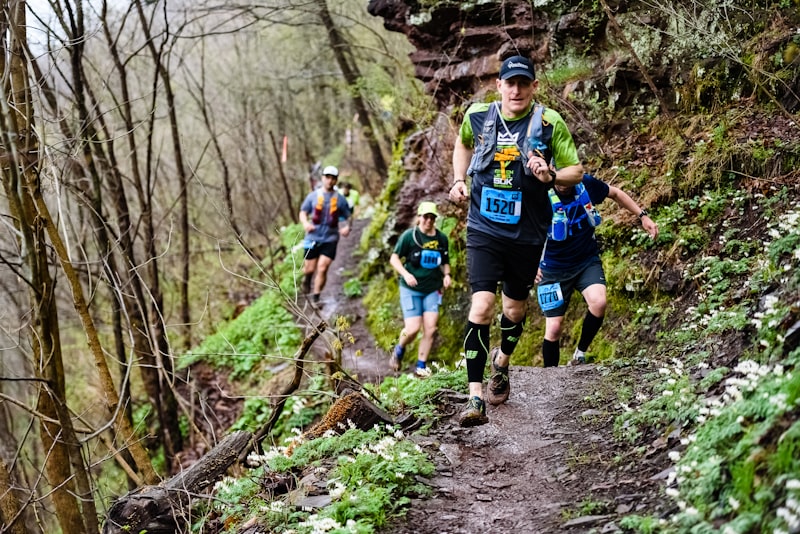
Most ultrarunners do not begin with 100-milers or mountain races. Many start exactly where recreational runners start: local parkruns, hiking groups, social run clubs and half marathons.
Trail running communities also tend to be welcoming to beginners because the culture is often built more around finishing and supporting each other than chasing fast times.
For many runners, the progression looks gradual:
- Build consistency with short weekly runs
- Complete a first 10km or half marathon
- Try trail running or hiking events
- Experiment with longer distances over time
The iRunFar ultramarathon training guide and Marathon Handbook’s ultramarathon training guide are helpful starting points for runners curious about longer trail events.
If you want to explore what events are happening locally, the KeepActive ultramarathon events listings are a useful starting point. The broader running events page also includes shorter races that many runners use as stepping stones.
The part most people can relate to
Watching someone run 253 miles through Arizona can feel completely disconnected from ordinary life. Most recreational runners are not interested in sleep deprivation, desert trails or moving for 56 straight hours.
Ultra-endurance racing also depends on things many people do not have access to, including years of training, support crews, flexible schedules and exceptional recovery ability.
Still, there is something broadly relatable in the way Entrekin described her mindset before the race.
She admitted she was unsure whether she belonged at the front of the field, and went for it anyway.
That lesson scales down surprisingly well. It applies to signing up for a first parkrun, joining a run club after years away from exercise, training for a half marathon or trying a trail event for the first time.
The distance itself is not the useful part for most people. The willingness to try despite uncertainty probably is.
Starting smaller still counts
You do not need to run ultramarathons to build endurance, confidence or routine. In Australia, many people begin with free community events like parkrun, local social running groups or beginner-friendly fun runs.
The KeepActive running clubs directory can help you find local groups by suburb, while the running events listings make it easier to find shorter events across Australia.
For runners wanting to learn more about safe training progression, the Runner’s World injury prevention guide and the Better Health Channel running guide both provide useful beginner-friendly advice.
None of those experiences look much like Cocodona. But for many people who eventually end up doing something big, that is where the story starts.