
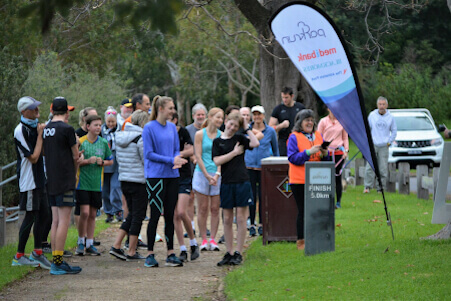
On a Saturday morning in January 2026, Maggie Hamilton crossed the finish line at North Wollongong parkrun for the 100th time. She was 81 years old. Just two and a half years earlier, she had never done parkrun before. Her daughter Jennifer signed her up and brought her along for the first event.
That simple sequence explains a lot about why parkrun continues to grow across Australia. Most people do not begin because they suddenly decide to become runners. They begin because someone invites them once. The challenge is rarely the 5km itself. It is figuring out where to start without feeling out of place.
At North Wollongong, that question has been answered every Saturday morning since 2017. The free weekly event at Stuart Park has become one of the Illawarra’s most recognisable community fitness gatherings, attracting runners, walkers, parents with prams, older adults and complete beginners. The Illawarra Mercury recently profiled the event, highlighting the people and volunteers behind its growth.
Why Maggie Hamilton’s story resonates with so many Australians
Maggie spent much of her life dancing rather than running competitively. These days, she keeps active with daily movement and Saturday morning walks through Stuart Park. What keeps her returning is not the stopwatch. It is the people.
"It’s a beautiful community and that’s what I like about it," she told the Illawarra Mercury.
That sense of routine and connection is what many newcomers discover after a few weeks. For some participants, the timed result matters a lot. For many others, the weekly rhythm becomes the real attraction. There is the familiar volunteer handing out finish tokens, the quick chat before the briefing, the regular coffee afterwards, and the faces that slowly become part of your weekend routine.
Maggie also volunteers regularly at the event, helping support the same system that welcomed her when she first arrived. Like every parkrun worldwide, North Wollongong operates entirely through volunteers.
North Wollongong parkrun by the numbers
Since launching in September 2017, North Wollongong parkrun has recorded more than 82,000 finishes and over 5,000 volunteer shifts. Thousands of individual participants have completed the Stuart Park course over the years, with turnout regularly reaching several hundred people on busy Saturdays.
The event forms part of a much larger global network. Parkrun began in London in 2004 with just 13 runners and arrived in Australia in 2011 on the Gold Coast. Today there are hundreds of parkrun events across Australia, all following the same model: free, timed, volunteer-led 5km events held every Saturday morning. The University of Wollongong profiled North Wollongong parkrun as part of a broader look at how the movement has changed community participation in exercise.
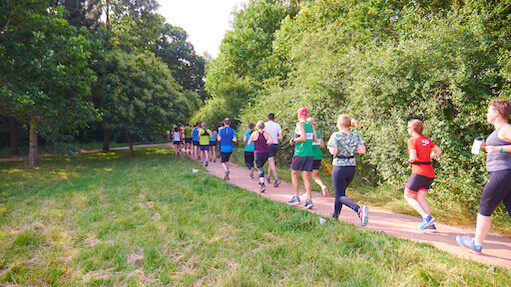
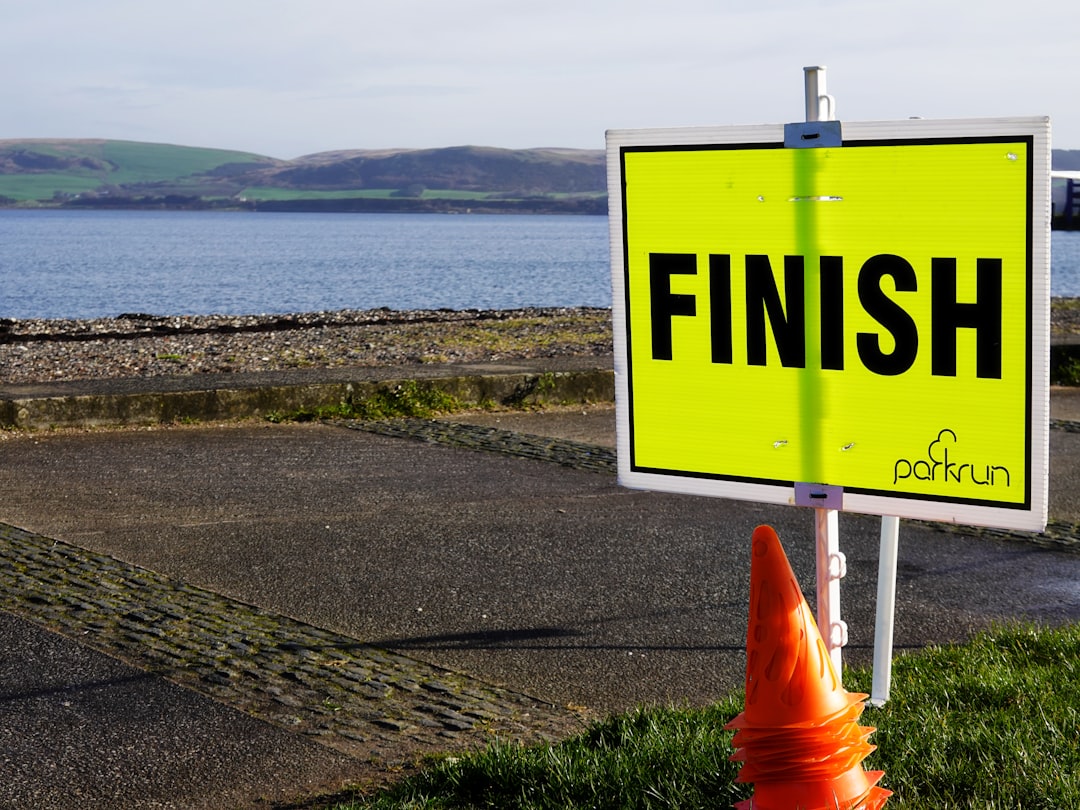
The atmosphere is closer to a community gathering than a traditional race. Volunteers set up signs and cones before sunrise, walkers mix with faster runners throughout the field, and the event stays open until the final participant finishes.
At parkrun, the event finishes with the final walker.
Can you walk at parkrun? Yes, and plenty of people do
One of the most common questions people ask before their first parkrun is whether walking is allowed. It is. Walkers are a normal part of every Australian parkrun field.
Every event includes a volunteer tailwalker whose role is to stay behind the final participant on course. The system exists specifically to make beginners and slower participants feel welcome. Nobody is expected to run the entire distance.
Parkrun Australia’s own beginner guide encourages people to walk, jog or run at whatever pace feels comfortable. Many participants take 45 minutes or longer to complete the course, especially when starting out.
The age range at events like North Wollongong is also far wider than many first-timers expect. School-aged children regularly participate alongside retirees and older adults. Across Australia, parkrun has become known for attracting people who may never have joined a traditional running club.
Stories like Colin Thorne’s, the veteran Newcastle parkrunner who continued participating into his nineties, show that the culture around parkrun is often more about consistency and community than speed.
What first-timers should expect at parkrun
Registering for parkrun is free and takes only a few minutes through the official parkrun Australia registration page. Once registered, participants receive a barcode that can be used at any parkrun worldwide.
Most Australian events start at 8am on Saturdays, although some warmer regions move earlier during summer. Arriving 15 to 20 minutes before the start is usually enough time for the first-timers briefing, where volunteers explain the course and how the barcode system works.
You can find your local parkrun on KeepActive activities section listing every Australian course by suburb and state.
If you decide you enjoy the social side of Saturday mornings and want more regular activity during the week, KeepActive’s run club directory can help you find local walking and running groups nearby.
Why parkrun works for beginners
Parkrun removes many of the barriers that stop people from trying organised exercise. There is no entry fee, no membership requirement, no expectation that participants need to look athletic, and no pressure to compete.
That matters because many Australians who want to become more active are not trying to qualify for races. They are trying to rebuild routine. A weekly event with familiar faces and a low-pressure environment turns out to be a surprisingly effective place to start.
Research around cardiorespiratory fitness continues to support the long-term health benefits of regular physical activity, including walking. Our earlier article on fitness and healthy ageing explores some of that evidence in more detail.
For older adults especially, the social structure around exercise can be just as important as the physical activity itself. Bill Stevens, still teaching aquatic classes in Adelaide at 95, is another example of how community and movement often reinforce each other over time.
Frequently asked questions about parkrun Australia
Do I need to run the full 5km?
No. Participants can walk, jog or combine both.
Is parkrun free?
Yes. Parkrun events are free to join, although registration is required before your first event.
Can older adults participate?
Absolutely. Parkrun events regularly include participants in their seventies, eighties and beyond.
Can beginners join?
Yes. Many people attending parkrun are doing their first organised walking or running event.
Can I bring a pram or dog?
Most Australian parkrun events allow prams and dogs on short handheld leads, although local course conditions and safety rules can vary. Check the individual event page before attending.
Showing up the first time is usually the hardest part
At 81, Maggie Hamilton did not begin parkrun because she wanted to chase a personal best. She began because her daughter invited her along once.
Two and a half years later, she had 100 Saturday mornings behind her, a familiar group of people around her, and a routine she genuinely enjoyed returning to each week.
That may be the most relatable part of the story. Most Australians are not searching for elite performance. They are searching for a realistic place to begin.
For thousands of people every Saturday morning, parkrun has quietly become exactly that.