
Most men in their fifties have a familiar story. There was a program once. A footy-fan training run. A couch-to-5K. A six-week gym intake. They liked it. They finished it. Then it ended, and within a couple of months the runners were back in the cupboard.
A new Curtin University study, published in the British Journal of Health Psychology in March 2026, set out to ask men exactly what happened next. Not whether they kept moving, but why some did and most did not.
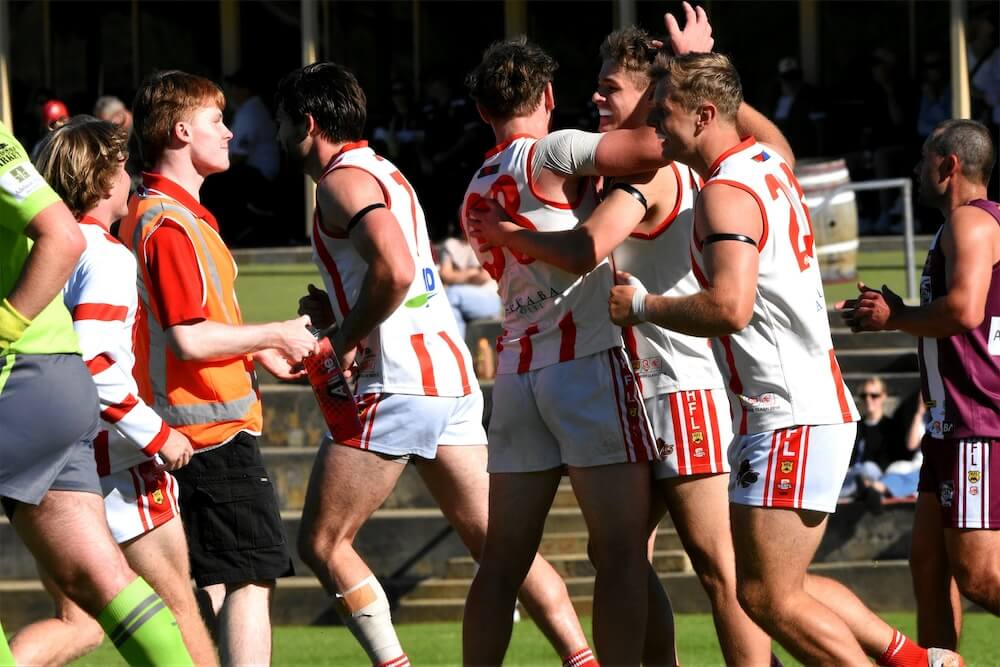
The researchers looked at what happened after Aussie-FIT, a 12-week healthy lifestyle and exercise program delivered through AFL clubs around Australia. Instead of focusing on weight loss or fitness scores, the team wanted to understand the habits and situations that helped some men stay active after the formal program finished.
The study: ten men, one practical question
Brendan J. Smith and researchers from Curtin University's Physical Activity and Well-Being Research Group interviewed ten men who had completed Aussie-FIT. The participants were around 58 years old on average and spoke about what their activity levels looked like months after the program ended.
It is a small qualitative study, so it does not claim to represent every Australian man over 50. What it does provide is something more personal and practical. It captures the everyday reasons exercise habits either survive or quietly disappear once the organised support is removed.
The researchers found several themes repeated across the interviews. The men who stayed active usually had social support, routines built into their week and activities connected to their identity or past interests.
What helped the active men keep going
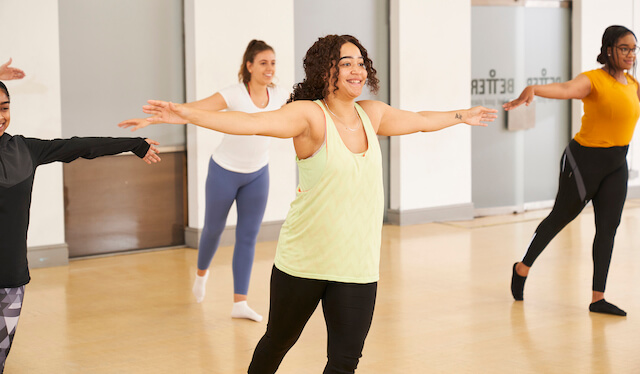
Social accountability mattered. The men who stayed consistent usually had someone expecting them to turn up. Sometimes it was a walking partner. Sometimes it was a small exercise group or former Aussie-FIT mates who still trained together.
Research published in Preventive Medicine has also found that social support and group-based exercise can improve long-term physical activity adherence, especially among older adults.
One participant described how activity had shifted from feeling like effort to becoming part of normal life:
"It's become a routine for me … it's not really a chore for me anymore."
That transition did not happen through motivation alone. It happened through repeated routines shared with other people.
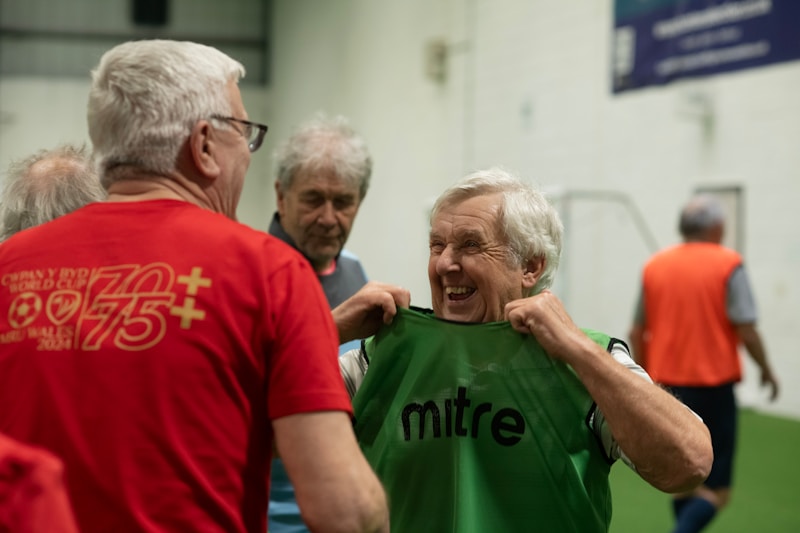
Sport and identity also played a role. Several men reconnected with activities they had enjoyed earlier in life. Some returned to social sport. Others started walking with mates or became involved in local clubs again.
The important part was not intensity. It was familiarity and belonging.
"I've missed that club camaraderie."
For many participants, exercise worked better when it felt connected to who they were rather than something completely new they had to force themselves to do.
Planning beat willpower. The men who maintained activity usually had fixed routines. Sessions were booked into calendars. Gear was prepared the night before. The activity happened at a known time each week instead of depending on how motivated they felt that day.
Behavioural research from American Psychologist has previously shown that forming "implementation intentions" such as deciding when and where an activity will happen can significantly increase follow-through on health behaviours.
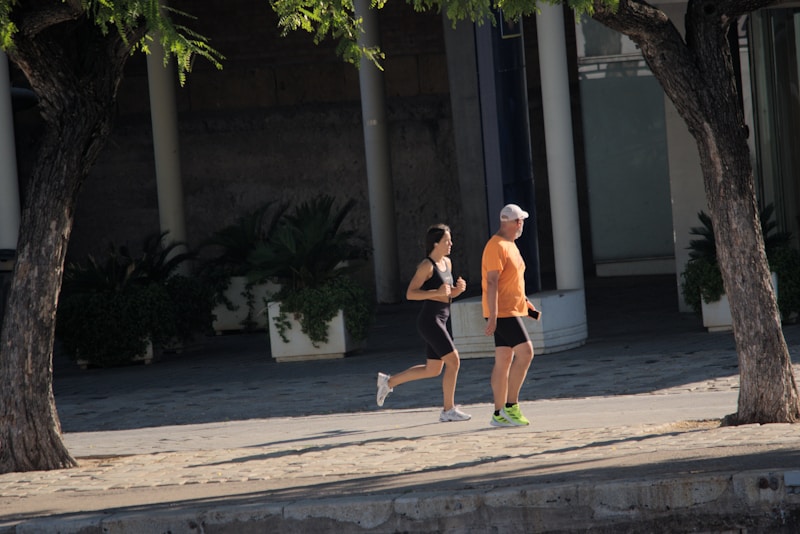
Why activity often drops after structured programs end
The men who became less active were not uninterested in fitness. They had already completed a demanding 12-week program successfully.
The challenge came after the structure disappeared.
One participant summed it up clearly:
"It really inspired me to keep going, but then it stopped."
Once the organised sessions finished, many of the routines vanished with them. Group chats slowed down. Future sessions were never booked. People intended to continue exercising but lost the external structure that had made consistency easier.
This will sound familiar to many Australians over 50. The difficult part is often not starting. It is maintaining momentum once the organised environment disappears.
Previous Australian research has also linked retirement, social isolation and reduced community participation with lower physical activity levels in older adults. Organisations like Heart Foundation Walking have focused heavily on group-based activity for this reason.
What Australian exercise guidelines recommend
The findings line up closely with Australia's national physical activity guidelines for older adults. The Department of Health and Aged Care recommends adults aim for:
- 150 to 300 minutes of moderate physical activity each week
- Muscle-strengthening activities on at least two days weekly
- Regular balance and mobility activities as people age
The full recommendations are available through the Australian Government physical activity guidelines.
For many people, social walking groups, community sport and recurring club sessions naturally help create that consistency.
What men over 50 can take from this study
You do not need an AFL-backed fitness program to apply the lessons from the research. The study points toward three practical ideas that can make exercise easier to maintain.
1. Join something already happening
A recurring walking group, social bowls session, parkrun, tennis night or community fitness group removes some of the mental effort involved in staying active.

The session exists whether you attend or not. That matters.
Many people find it easier to stay consistent when they are joining an established routine instead of constantly creating one themselves.
2. Reconnect with activities you already enjoy
If you used to play footy, swim, cycle or walk regularly, returning to familiar activities may feel more natural than chasing the latest fitness trend.
The Curtin participants often stayed active because movement was connected to earlier parts of their life and identity.
Older Australians looking for low-pressure ways to return to activity may also benefit from local walking groups and community activities that focus more on routine and connection than performance.
3. Schedule activity like an appointment
Specific plans work better than vague intentions.
"Tuesday 6:30am walking group" is easier to follow than "I should exercise more this week."
Fixed times, shared plans and recurring sessions help reduce the need for daily decision-making.
A practical option for Australian readers
One useful takeaway from the study is that ongoing community connection may matter more than finding the perfect workout.
That is also why many Australians use recurring activities to stay consistent over time. A walking group, run club, social sport competition or local community activity can provide the routine and accountability that structured programs often create temporarily.
If you have recently finished a challenge, training block or short-term fitness program, the weeks immediately afterwards are often when habits either strengthen or fade.
The Curtin researchers did not discover a magic exercise method. They found that men who stitched movement into their weekly social lives were more likely to continue.
Sometimes the most important fitness decision is not choosing the next workout. It is choosing the next regular commitment.
Sources
Smith BJ et al. "Exploring how men's physical activity behaviour changes during and after the Australian Fans-In-Training (Aussie-FIT) program: A qualitative study using the theoretical domains framework." British Journal of Health Psychology, March 2026.
Aussie-FIT program information
Australian physical activity guidelines
Disclaimer: This article is general information only and is not medical advice. Speak with a GP, physiotherapist or qualified exercise professional before starting a new exercise program, especially if you have existing injuries, health conditions or long periods of inactivity.