
Disclaimer: The information in this article is general in nature and is not intended to replace professional medical advice, diagnosis or treatment. Always speak with your doctor or a qualified health professional before starting a new exercise program or if you have questions about your health.
A sea of pink, one Sunday each May
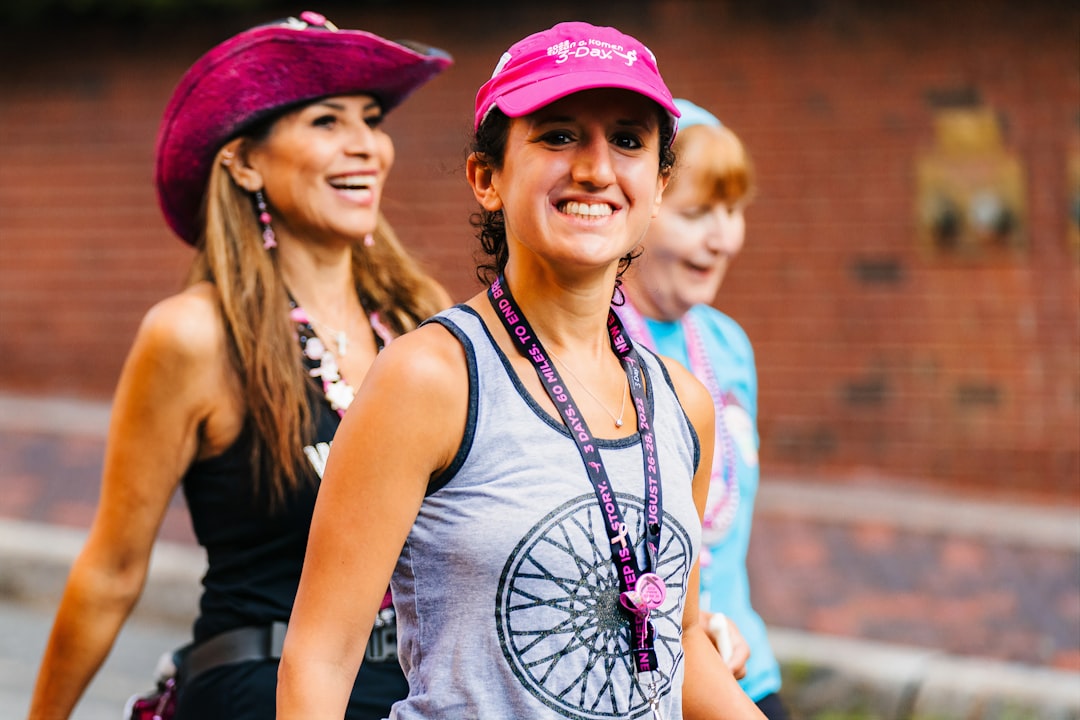
Every Mother’s Day, parks and gardens across Australia turn pink.
Parents push prams. Kids race ahead. Friends walk side by side. Some runners chase a personal best, while others simply stroll beside mum.
They’re all part of the Mother’s Day Classic, one of Australia’s most loved community fun runs and walks, raising money for breast and ovarian cancer research.
The 2026 event takes place on Sunday 10 May, with around 70 events nationwide. From the Royal Botanic Gardens in Sydney to Alexandra Gardens in Melbourne, Lennox Gardens in Canberra and Charles Paterson Park in Perth, the event stretches well beyond the major cities into regional towns across the country.
If you’ve been thinking about signing up for your first organised walking or running event, this is a great place to start.
What does the Mother’s Day Classic involve?
Event options vary by location, but most cities offer a mix of distances:
- 4km walk or run — the most popular option and manageable for most people.
- 8km walk or run — ideal if regular walking is already part of your routine.
- 12km timed run — for those wanting a longer challenge.
- Half marathon (Melbourne only) — a new addition for 2026.
The 4km walk is where most first-timers start. It’s casual, family-friendly and welcoming. No training plan required. No pressure on pace either.
Prams, kids, grandparents and even dogs are part of the morning.
How to register
Signing up is straightforward through the official website. Choose your location, pick your distance and complete your registration online.
You’ll receive an event bib and participant pack before the day.
While the 20% group discount for four or more registrations ended on 3 May 2026, standard registrations are still open for many locations in the lead-up to the event.
Can’t make it in person? There’s also a Your Way option, which lets participants complete their walk or run wherever and whenever it suits them while still contributing to fundraising.
What the morning feels like
If you’re imagining a serious race-day atmosphere, think again.
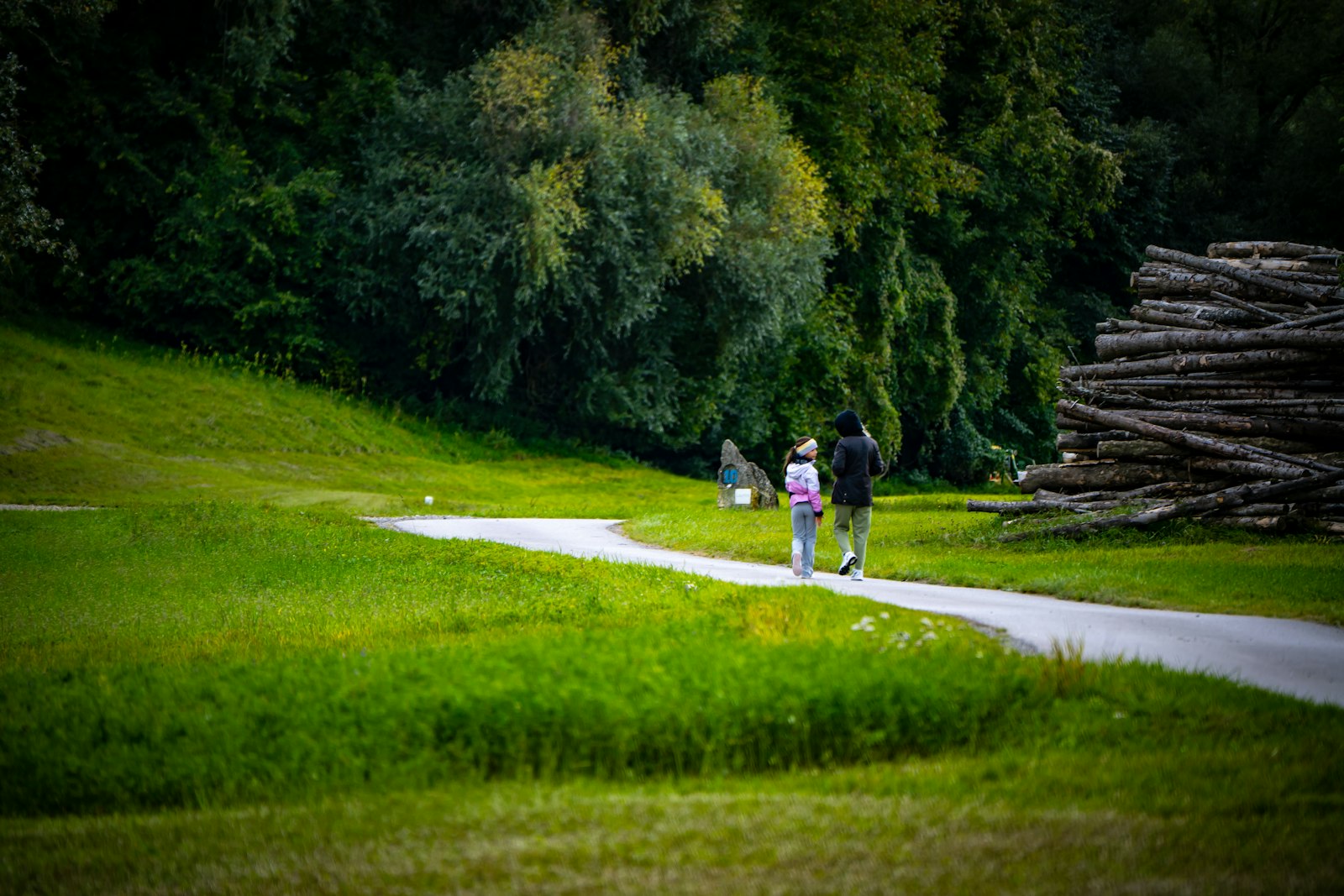
At the bigger city events, it feels more like a community festival. There’s music, entertainment, food stalls and charity stands. Smaller local events are quieter, but often feel even more personal.
Here’s what to expect:
- Early starts. Most events begin between 7am and 9am, so arriving 30 to 45 minutes early makes things easier.
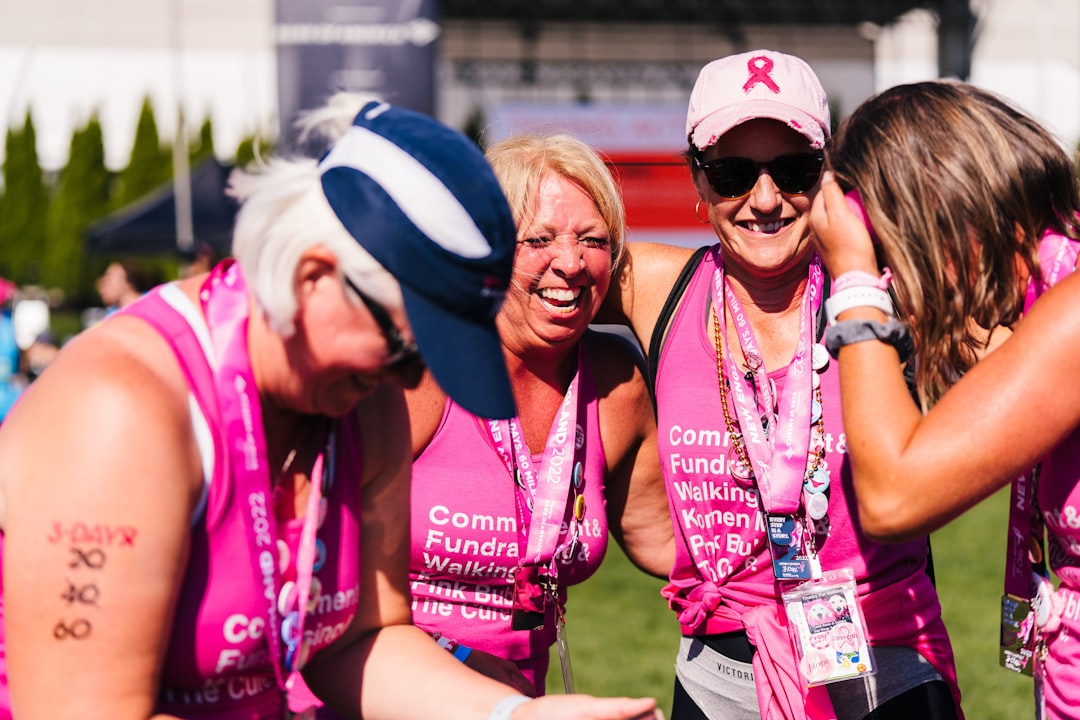
- Pink everywhere. Event shirts, pink tutus, pink hats, pink everything. Comfortable layers are a smart choice, especially with cool May mornings.
- A relaxed pace. Walkers can stop, chat and take photos. Timed runners usually start separately.
- Meaningful moments. Many people walk in honour or memory of loved ones, which gives the event a deeper emotional layer.
How to prepare if it’s your first time
For the 4km walk, most adults can comfortably turn up and complete it without formal training.
If building confidence would help, a few short walks in the week beforehand can make the morning feel much easier. The Heart Foundation notes that adding just 15 minutes of walking a day can make a meaningful difference to long-term heart health.
A couple of 20 to 30-minute walks is often enough to feel ready.
If you’re aiming for the 8km, 12km or half marathon options, a bit more preparation is worth it. Our guide to preparing for your first 5km covers the fundamentals and the same principles apply here.
On event morning, keep it simple: eat something light, drink water and wear shoes you’ve already tested. Race day is never the time to experiment with new gear, breakfast or caffeine habits.
Why so many people keep coming back
The Mother’s Day Classic has been part of Australia’s event calendar since 1998.
According to the National Breast Cancer Foundation, more than 1.7 million participants have helped raise over $48 million for breast cancer research.
But for many people, the biggest impact is personal.
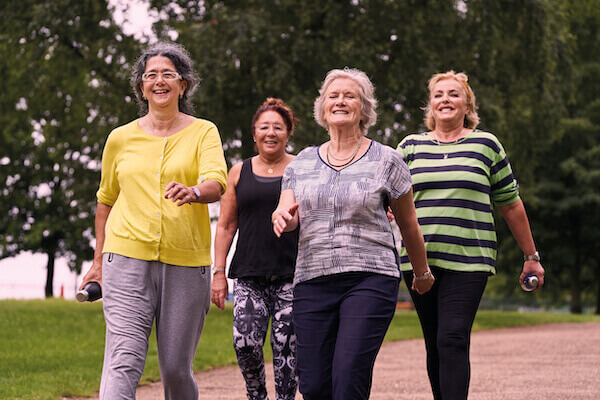
It’s often the first event that changes how exercise feels. Less like exercise, more like connection. You finish the 4km feeling stronger than expected, and before long, you’re looking at your next challenge. A parkrun. Another fun run. Maybe something bigger.
That’s often how momentum starts.
If that sounds familiar, our article on the benefits of running for a cause is worth exploring next.
Make the most of the morning
The best Mother’s Day Classic plans are usually the simplest.
Pick a location near a good café. Bring the family. Walk at your own pace. Take a finish-line photo.
Then settle in for breakfast with mum and enjoy the rest of the morning together.
And if the event sparks something bigger, KeepActive has plenty more to explore. Browse upcoming walking and running events or find a walking group near you to keep the habit going.