
The two-week trap: why filling every day backfires
July's winter school holidays are closing in fast. If you have primary-school kids, you might already be staring at the calendar and dreading the screen-time arguments.
The default response is to hunt down fifty things to do and try to fill every weekday. This article argues the opposite. Book two or three anchor outings this week, the ones that need bookings and won't be there if you wait. Build the rest of the fortnight around two or three free, repeatable movement habits. Then leave white space. A two-week stretch with twenty planned activities exhausts the parent doing the planning, and kids end up worn out by Wednesday of week one.
Less calendar, more rhythm.
When Are the Winter Holidays in 2026?
Dates vary by state, but most fall within a three-week window:
- Victoria and Queensland: 27 June – 12 July
- NSW: 4 July – 20 July
- ACT: 4 July – 19 July
- South Australia and Western Australia: 4 July – 19 July
- Tasmania: 11 July – 26 July
- Northern Territory: 20 June – 12 July
Private school dates may differ by a week or two, so check your school calendar. The key point: plan activities before the break starts. Popular free programs book out within days of being announced.
Anchor outings to book this week
An anchor is a one-off outing that the kids will remember and that you book now because slots fill up. Two or three is plenty for a fortnight. Pick from the categories most likely to sell out:
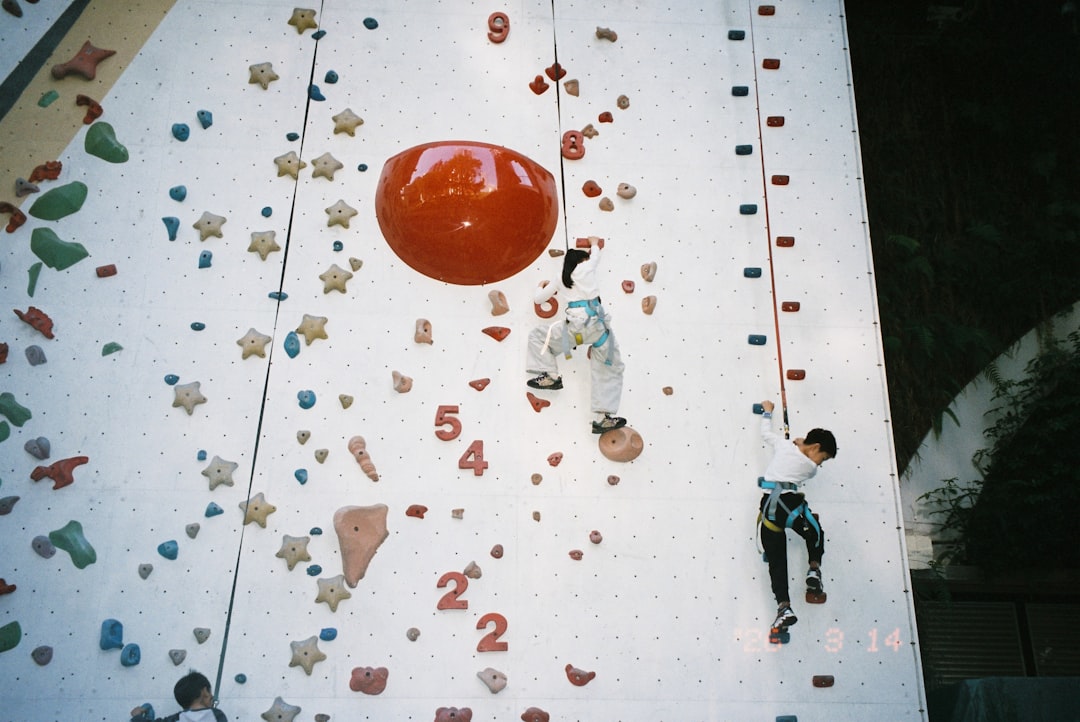
- Indoor climbing or bouldering: school holiday sessions and "kids climb" times at major Australian climbing gyms tend to book out two to three weeks ahead. Most centres have a one-hour intro session for first-timers from around age five.
- A snow day: Mount Buller, Falls Creek and Thredbo all run beginner ski and toboggan options through July. If you've never been, our guide on planning your first snow trip covers what to book and what to skip.
- A council holiday program: local councils run learn-to-skate, AFL or tennis come-and-try days during the break, often subsidised. Browse events near you on KeepActive to see what's on.
You don't need all three. Two is enough. The point of anchors is to give the fortnight shape, not pack it.
Free movement habits beat a packed schedule
Once the anchors are locked, the rest of the fortnight becomes much easier. Pick two free movement habits and repeat them. Repetition is the point — kids fall into a rhythm faster than you think, and a habit that runs three times in two weeks is more powerful than three different one-offs.
Some that work in winter:
- Junior parkrun on Sunday mornings. It's a free, timed 2km event for kids aged 4 to 14, with locations including Westerfolds Park in Templestowe and Thorndon Park in Adelaide. The full junior events list shows what's near you. Walking the course is fine. Many families head for a hot chocolate after.
- A weekly bike loop on a flat path. Centennial Park in Sydney and the Capital City Trail in inner Melbourne both work in winter because they're sheltered from wind and have coffee stops if anyone needs to bail. Twice in the fortnight is enough to feel like a routine.
- A short bushwalk. 30 to 45 minutes is plenty for primary-school legs in cold weather. Pack one snack per kid and don't try to turn it into a five-hour adventure.
If your kids are between sports, the holidays are also a low-stakes window to try a new code at a community come-and-try. Browse local clubs and groups by suburb.
What 1,827 kids told researchers about junior parkrun
The University of Sydney evaluated the junior parkrun pilot in Australia and published the results in the Health Promotion Journal of Australia in 2024. Lead author Erin Mathieu, from the Sydney School of Public Health, reported that 1,827 children registered and took part in at least one event during the pilot. Of the parents surveyed, 61% said junior parkrun had increased their child's physical activity either a little or a lot, and 90% agreed it was fun.
The angle worth noticing for school-holiday planning: the kids who got the most out of it weren't the ones who showed up to one event and rated it brilliant. They were the ones who came back. Repetition, not novelty, is what built the habit.
That's the whole argument for two anchors and two repeating habits, in one paragraph of peer-reviewed research.

Plan for wet days, you'll get them
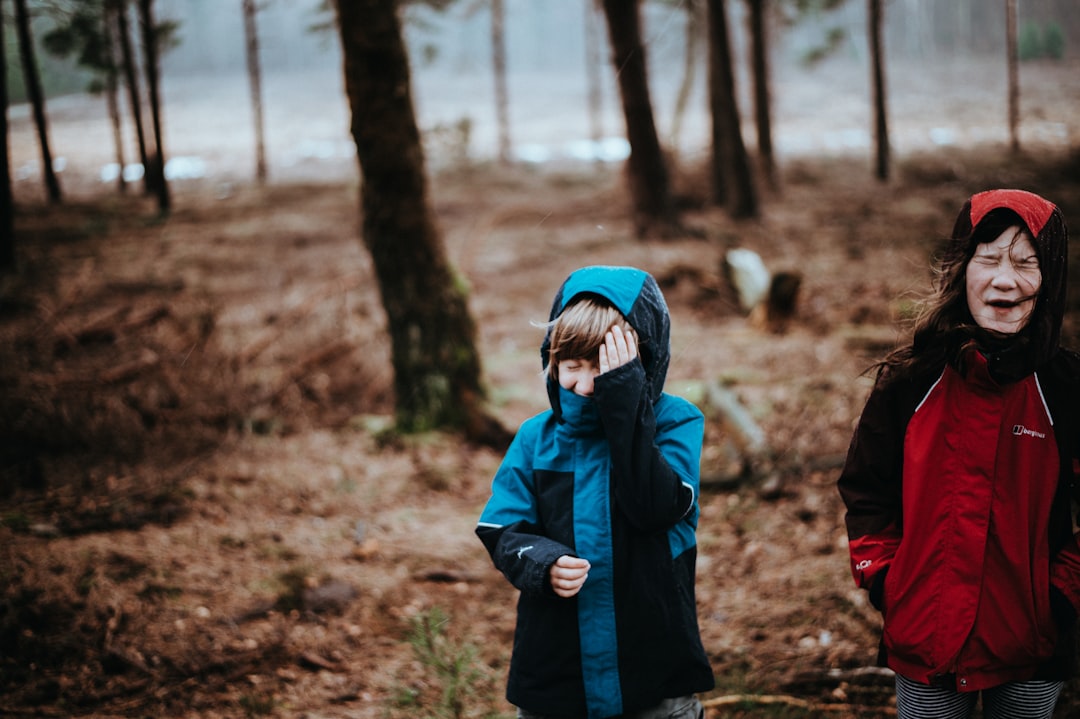
This is the genuine downside of a winter school holidays plan. Australian winters in the southern states are reliably wet, and a stretch of cold rain will sink at least two of your outdoor plans. The trick is to expect it, not fight it.
Two or three indoor backups are enough:
- An indoor heated swimming pool with a kids' session.
- A trampolining or indoor sports centre.
- The local library, where most branches run free school-holiday craft and movement sessions.
For Sydney parents, our rainy-day activities in Sydney guide covers more options. Melbourne families can use our 10 indoor activities for a rainy day as a starting list.
A loose two-week shape that holds up
If you want a template instead of a calendar, this works:
- Week 1: one bigger anchor (climbing or a snow day), one junior parkrun, one bushwalk or bike loop, three loose days.
- Week 2: one smaller anchor (council holiday program or come-and-try), one junior parkrun, one repeat of the bike loop or bushwalk, three loose days.
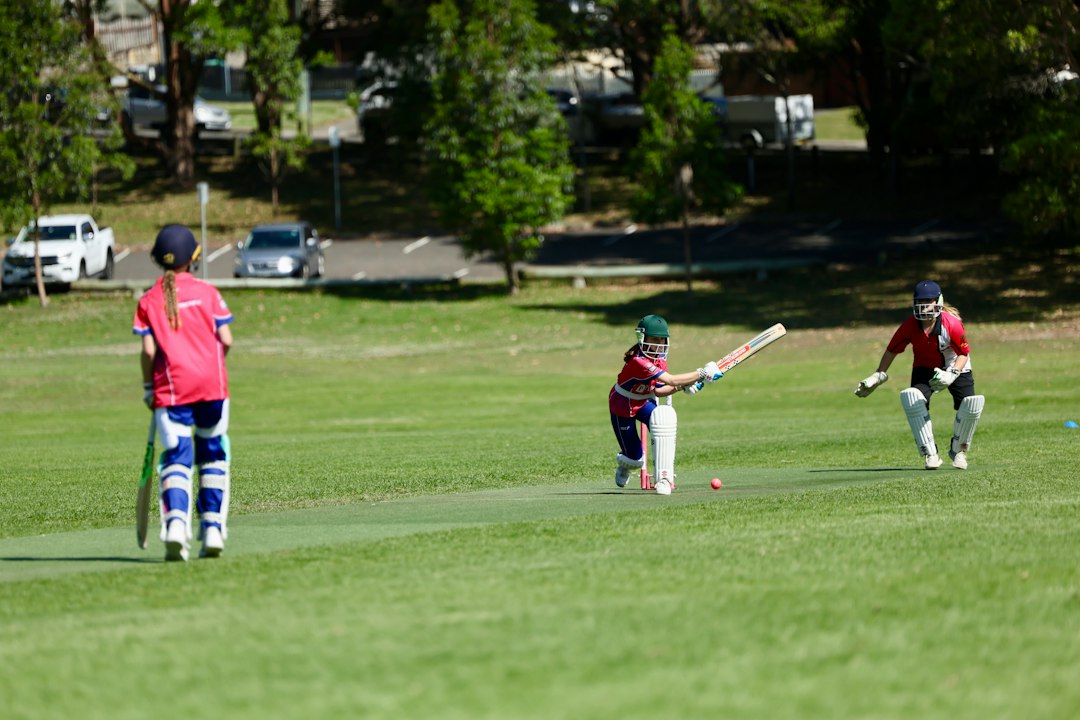
That's six active touchpoints across the fortnight. None of them are particularly novel. All of them are bookable or repeatable. The loose days exist on purpose. They're when kids invent backyard cricket, when you let them be bored for an hour, when the weather changes the plan and you don't fight it.
Book the two anchors this week. The rest can wait.