
Disclaimer: This article is general in nature and is not a substitute for personalised medical or exercise advice. If you have a health condition, injury, disability, are pregnant, or are returning to activity after a long break, speak with a qualified health professional before making major changes to your routine.
The numbers behind getting more active in Australia
Most of us know exercise is good for us. We have heard it from GPs, health campaigns and friends who start running and suddenly own a lot of bright shoes. But there is a difference between knowing movement matters and seeing what it could mean at a national scale.
A 2026 Australian simulation study asked exactly that question. Researchers Emily Bourke, Tim Wilson, Ralph Maddison and Tony Blakely modelled what would happen if Australia became more physically active over time. The study was published as a medRxiv preprint, which means it should be treated as early research until peer review is complete. Even with that caveat, the modelling is useful because it puts numbers around something we usually talk about vaguely.
The headline scenario was striking. If all Australians reached the highest activity tier used in the study, about 4,200 or more MET-minutes per week, the model estimated Australia would gain 653,000 healthy life years over 20 years, avoid 9,720 premature deaths before age 75, increase working-age income by AUD $16.8 billion and reduce health expenditure by $748 million.
That does not mean every Australian needs to train like an endurance athlete. In fact, one of the more useful findings was the opposite. The greatest gains were likely to come from helping sedentary people move into the next activity band.
Where Australia stands now
According to the Australian Institute of Health and Welfare, physical inactivity was the ninth leading preventable cause of ill health and premature death in Australia in 2018. It was responsible for 2.5% of the total disease burden and contributed to around 8,300 deaths.
It was also linked to 20% of the burden from type 2 diabetes, 16% from coronary heart disease, 12% from bowel cancer and 12% from dementia.
That is the uncomfortable part. Australians broadly understand that movement matters, yet many still struggle to make it part of daily life. The barrier is rarely just information. It is time, confidence, cost, transport, injury history, family responsibilities, not knowing where to start, or feeling like every fitness option is built for people who are already fit.
The biggest jump is from nothing to something
The most encouraging message from the research is simple: the first step matters.
A review in ISRN Cardiology describes a common pattern in physical activity research. The biggest reduction in risk usually happens at the low end of the activity scale. In plain English, going from doing almost nothing to doing something regularly can produce meaningful health benefits. The curve then starts to flatten. More activity can still help, but the early gains are especially important.
That is useful for anyone who sees a number like 4,200 MET-minutes per week and immediately switches off. You do not need to start there. A short walk after dinner, a beginner-friendly class, a casual hit of badminton, a weekly walking group or a low-pressure social sport can all be a realistic first move.
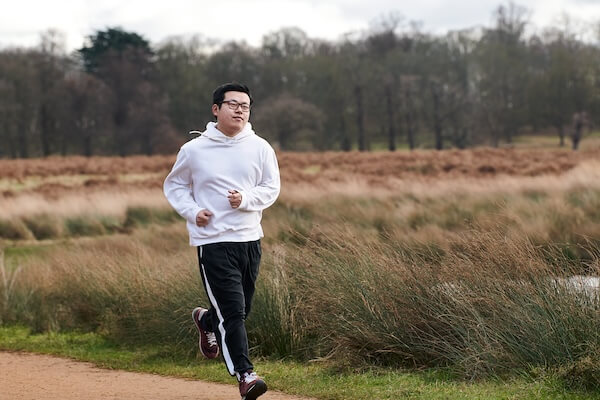
Is it too late to start in your 40s, 50s or 60s?
No. A large BMJ cohort study found that middle-aged and older adults gained substantial longevity benefits when they became more physically active, regardless of past activity levels and established risk factors.
That is an important point because many people quietly carry an old story about themselves. They were not sporty at school. They stopped playing after the kids arrived. They had an injury years ago. They feel too unfit to join anything.
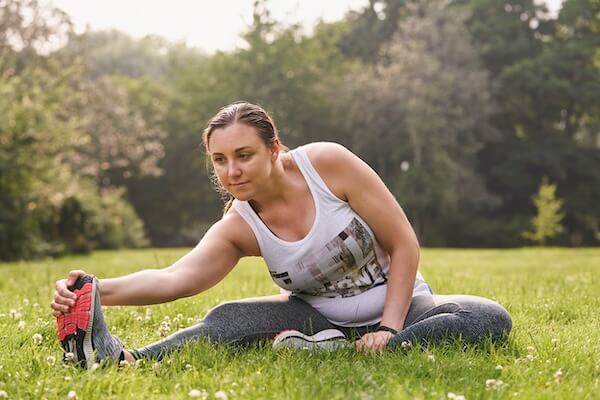
But starting later is still starting. The goal is not to recreate the body you had at 25. It is to give your current body more regular movement, strength, balance, confidence and connection.
What does “more active” actually mean?
Australia's physical activity guidelines recommend that adults aged 18 to 64 do 2.5 to 5 hours of moderate activity each week, or 1.25 to 2.5 hours of vigorous activity, or an equivalent mix. The guidelines also recommend muscle-strengthening activities on at least two days each week. For adults aged 65 and over, the advice is to be active for at least 30 minutes on most days and include activities that support fitness, strength, balance and flexibility.
The official guidelines are helpful, but they can feel clinical. In real life, “more active” might look like this:
- walking for 10 to 20 minutes after lunch or dinner
- joining a local walking group once a week
- trying a casual social sport instead of a formal competition
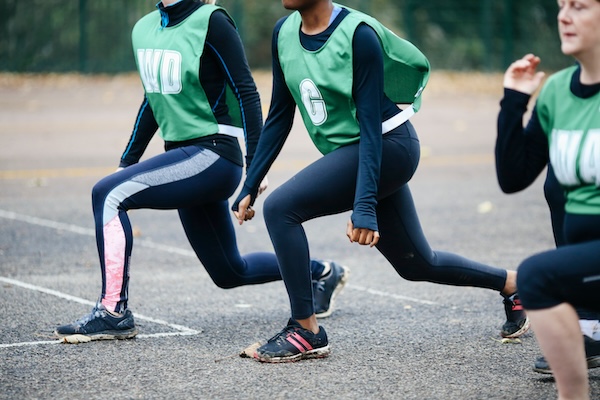
- doing a beginner strength class twice a week
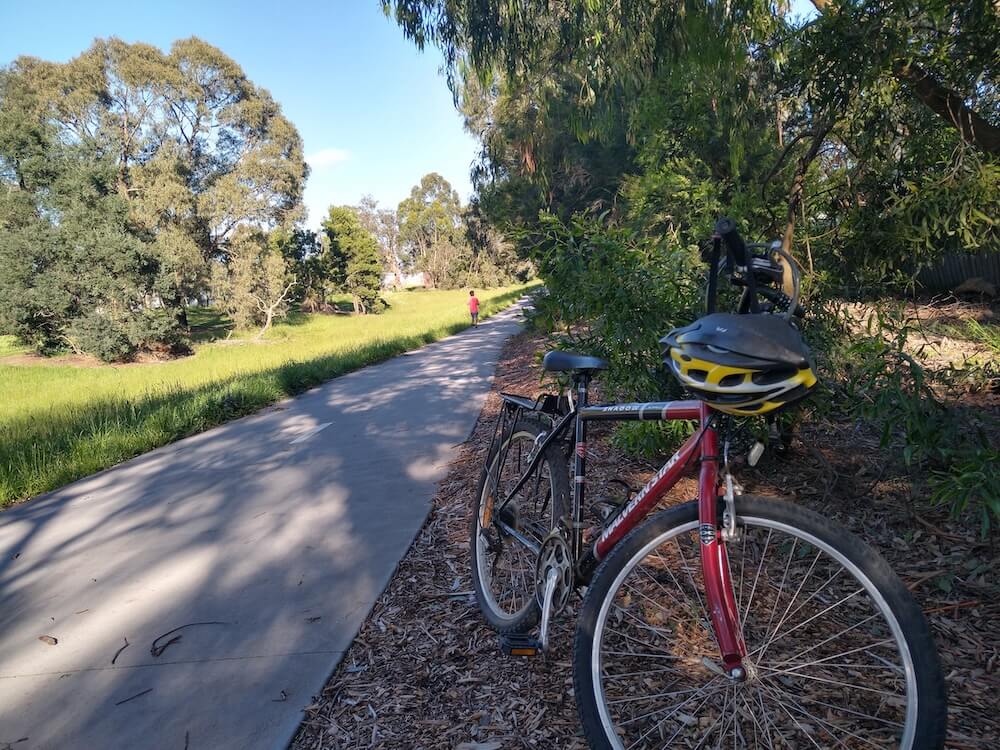
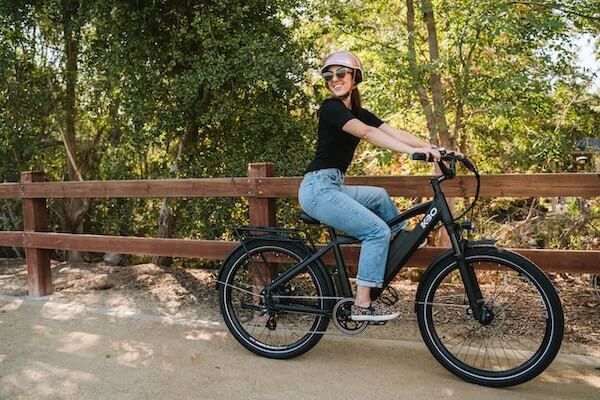
- cycling to a nearby errand instead of driving
- playing tennis, badminton, pickleball, netball or soccer at a social level
- using a local event as a short-term goal
For many people, the best activity is not the theoretically perfect one. It is the one they will repeat.
Why doing it with other people can help
One reason social sport and group activity can work is that they reduce the amount of motivation you need to manufacture alone. Someone expects you. The session has a time and place. You get a conversation before and after. It becomes part of your week rather than another private task you have to force yourself to complete.
Research on social support and physical activity, including a systematic review focused on older adults, has found that support from others is often linked with being more active. A newer systematic review and meta-analysis also looked at group-based physical activity interventions and found small advantages across several outcomes, although not all effects were statistically significant.
In practical terms, the takeaway is not that group exercise magically solves everything. It is that connection, routine and accountability can make movement easier to stick with.
How to find your first step
If you are currently inactive, start smaller than your ambition. The first goal is not fitness. It is repetition.
Pick something you can do this week, not something that requires a full identity change. That might be a 15-minute walk, a beginner class, a local parkrun walk, a social hit with friends, or a come-and-try session where nobody expects you to be good.
You can browse social sports groups and fitness communities across Australia to find options near you, or look through upcoming active events if a one-off goal feels easier than joining something ongoing.
The real question
The Australian simulation study asks a big national question: what would change if more Australians moved more?
The answer is healthier years, fewer early deaths, higher working-age income and lower health spending. But at a personal level, the question is smaller and more immediate.
What is one realistic way you could move a little more this week?
That might not sound dramatic. But across a person, a suburb, a workplace or a country, those small shifts add up.
Sources
- Bourke E, Wilson T, Maddison R, Blakely T. Future health gain from increasing physical activity in Australia. medRxiv, 2026.
- Australian Institute of Health and Welfare: Insufficient physical activity.
- Australian Government physical activity and exercise guidelines.
- Kokkinos P. Physical activity, health benefits, and mortality risk. ISRN Cardiology.
- Physical activity trajectories and mortality. The BMJ.