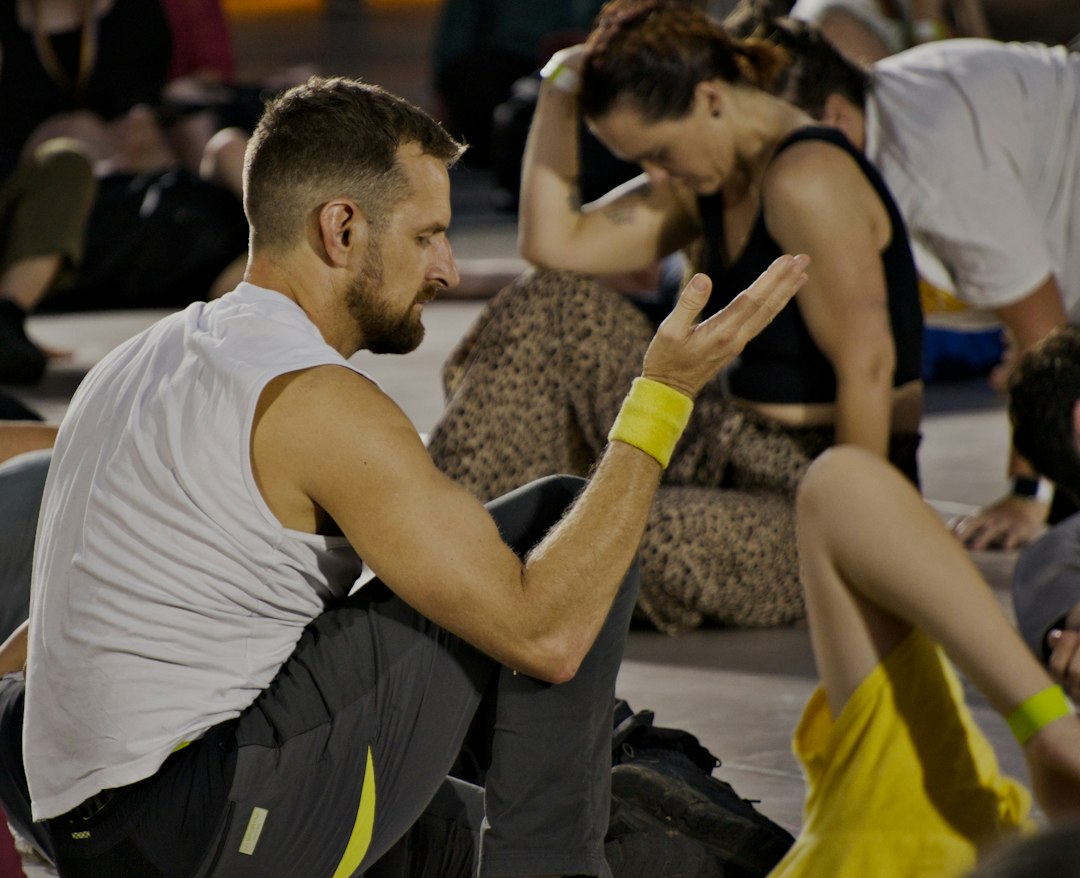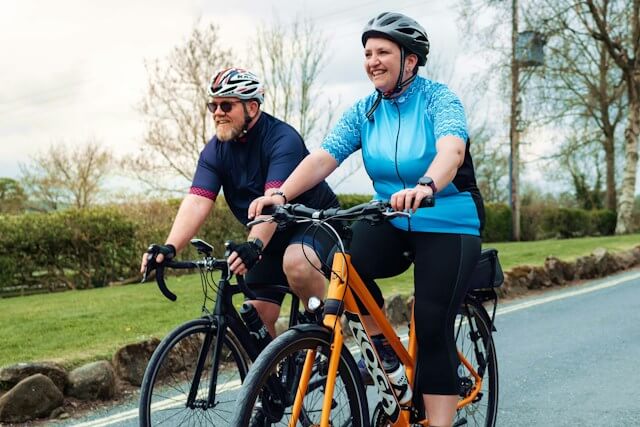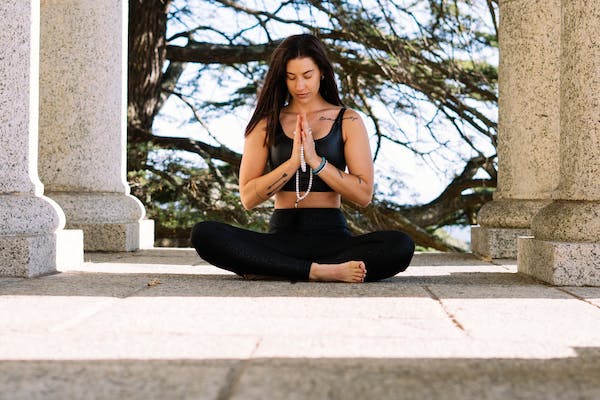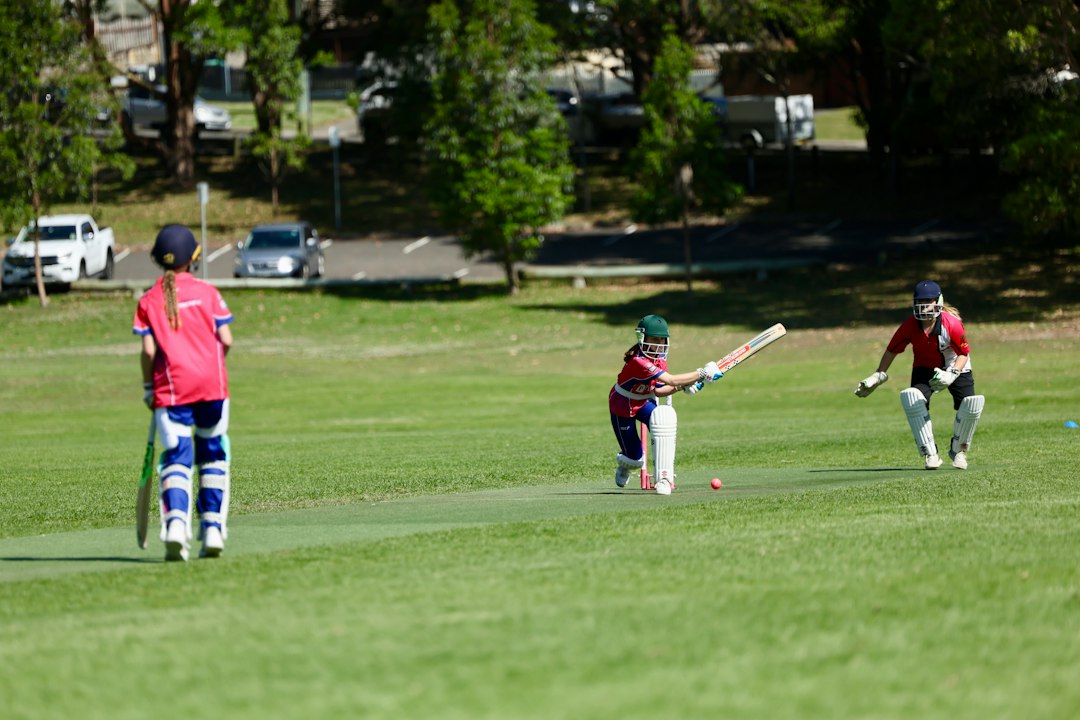

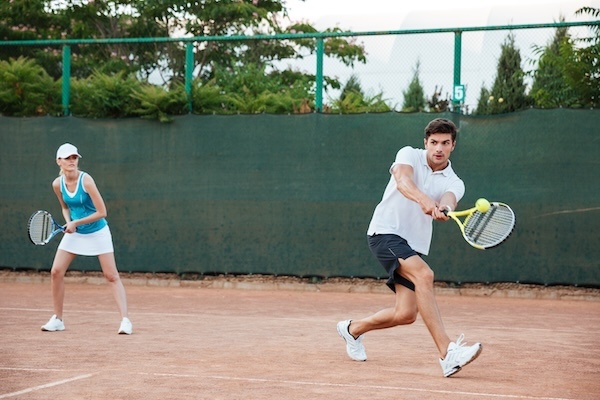
It's 7am on a Wednesday in July. Two people are heading out to exercise in the same suburb: one to a group fitness class, one for a solo run. By most measures, they're doing the same thing. A new study suggests the class-goer is getting something extra from the experience. The gap, though, is smaller than researchers expected.
The research, published in Nature Human Behaviour in 2026, is the most comprehensive direct comparison of group and individual exercise yet conducted. Lead researcher Kritz and colleagues reviewed 71 randomised trials involving more than 22,000 participants and measured outcomes across four categories: how much people actually moved, physical function (strength, flexibility), psychosocial wellbeing (quality of life, loneliness), and health markers like cardiovascular fitness.
Group-based conditions came out ahead on most measures. Consistently, and in the places that matter. But not by the margin the field had assumed.
What 71 studies found
The headline numbers: people in group exercise programs showed a small positive advantage over those in individual programs for physical activity behaviour (effect size g = 0.086) and psychosocial outcomes (g = 0.292). Neither result reached statistical significance, which means researchers can't rule out chance as an explanation for the gap.
What that doesn't mean is that group exercise has no advantage. Effect sizes of this size are meaningful at population scale. Across millions of Australians, a consistent small nudge toward more activity adds up. What the study questions is the older assumption that group formats were dramatically superior and that solo exercise was a poor substitute.
For functional outcomes (strength, flexibility, aerobic capacity) the meta-analysis found no meaningful difference between formats. If your goal is getting fitter or recovering from a long period off, the research says: the format matters less than the quality of the program and whether you actually follow it.
This is not a minor finding. It means that someone who exercises consistently at home or alone, with a structured program, is not leaving significant gains on the table by skipping the group class.
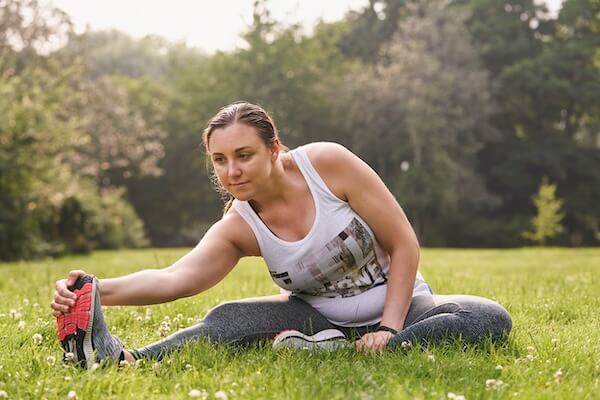
The social edge: real, if narrower than assumed
Where group exercise pulls clearly ahead is on psychosocial outcomes: quality of life, sense of belonging, reduced loneliness. The effect size here (g = 0.292) was the largest of any category in the study. Not statistically significant across the pooled sample, but consistently positive, and for a specific kind of person, probably decisive.
The mechanism isn't complex. Group movement bundles fitness with regular human contact, shared effort, and the low-key accountability of people noticing when you're absent. A Saturday parkrun delivers a cardiovascular workout and a social ritual in one package. A Tuesday netball session is also, functionally, a standing catch-up with a reliable group of people who share at least one interest.
Loneliness among Australian adults has been documented by researchers across multiple cohorts. It cuts across age groups and life stages, not just older populations. Group exercise doesn't solve loneliness, but the Nature Human Behaviour data suggests it addresses it more reliably than individual exercise does, through the simple mechanism of putting you in a room with people doing the same thing you're doing. That shared context removes the awkwardness of new social situations and replaces it with something immediate and useful: you're here to move, so is everyone else, and the conversation tends to take care of itself.
Parkrun Australia — free, weekly, operating at more than 400 locations on Saturday mornings — consistently reports that participants rank social connection ahead of fitness as their primary reason for returning. The running is what you're doing. The community is why you don't stop.
Why solo exercise has quietly caught up
The result that surprised researchers was the scale of the group advantage: smaller than earlier meta-analyses had found. The likely explanation isn't that group exercise has gotten worse. It's that solo exercise has gotten substantially better as an experience.
A solo exerciser in 2026 has access to structured training programs, virtual coaching, wearables that track effort and recovery in real time, and online communities that provide accountability without shared physical space. Much of what gave group formats an edge (structure, feedback, a sense of belonging to something) can now be partially replicated by someone training alone.
This matters practically. The "always train in groups" advice common in fitness culture is based on research predating much of this infrastructure. A well-structured solo program, with a training plan and some digital accountability, may close most of the gap that earlier studies attributed to group dynamics alone.
Around a third of people genuinely prefer exercising alone. For them, group formats can reduce enjoyment and consistency rather than improve them. An introvert who walks every morning without social obligation will accumulate more activity over a year than someone who attends a group class twice and quits because the format drains them.
Choosing what you'll actually show up to
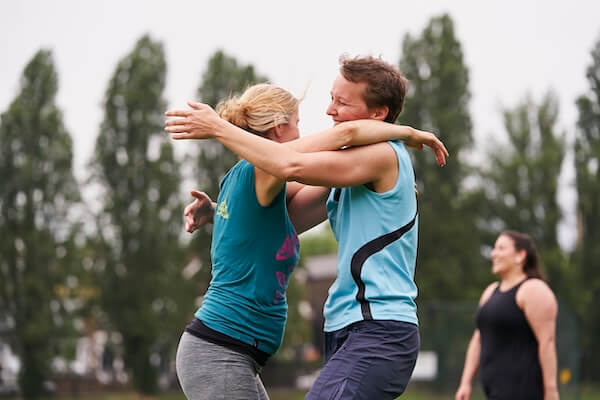
The real question isn't which is "better." It's which one you'll show up to, week after week, when motivation runs low.
If accountability is your main challenge and you often plan to exercise and don't follow through, group formats solve that problem directly. A scheduled class with people expecting you, or a sport with a team that needs you, creates external commitment that individual willpower rarely matches. The research on behaviour change consistently shows that environmental structure beats motivation. A group class is structure.
If time, schedule flexibility, or social anxiety are the main obstacles, group formats add friction rather than removing it. A solo lunchtime run or a walk after dinner will happen more consistently than a 6am bootcamp that requires planning, commuting, and returning to a social setting when you're not in the mood.
What you want from exercise matters too. If fitness is the only goal, both formats deliver. The meta-analysis is clear on this. If connection, belonging, or reduced loneliness are part of what you need, the group advantage is more reliable and more specific. The Nature Human Behaviour study's largest effect sizes were in the psychosocial column. Group exercise is better for wellbeing, not just step counts.
Beginners often benefit from group settings early in their exercise journey. Not because of superior physiological outcomes, but because structure matters more when habits are new. A fixed time, a coach who notices if you're flagging, and a room of other people working through the same thing makes skipping feel like a deliberate choice rather than a passive default.
Getting active in Australia: two paths, both supported
For group activity, the lowest-friction starting point in most Australian suburbs is parkrun: free every Saturday morning, welcoming to walkers and runners, and operating at more than 400 locations. Community sport clubs in social netball, badminton, soccer, cycling groups, and more are listed through the KeepActive directory by suburb.
For solo exercise, walking and running paths, outdoor gym equipment, and public aquatic centres are accessible across most urban areas. The venues directory lists pools, courts, and facilities by location.
The Nature Human Behaviour study's most useful conclusion is this: group exercise tends to produce slightly better outcomes on average, particularly for wellbeing and social connection. Solo exercise is closer than most people assume, especially for physical fitness goals. The biggest variable in either format isn't how you train. It's whether you do.