
Pick up a heavy shopping bag. Twist open a stubborn jar. Hang from the monkey bars while your kids count how long you last. None of these feel like health tests, but they all rely on one thing: grip strength.
And according to some of the largest health studies ever conducted, that simple ability to squeeze, hold, and carry may reveal more about your long-term health than many traditional measurements.
That sounds surprising at first. But the evidence is hard to ignore. Across millions of people, researchers have found a consistent pattern: weaker grip strength is linked with higher risks of illness, physical decline, and earlier death.
Here’s what grip strength actually tells us, why balance between your hands matters, and how everyday activities can help improve it.
What Grip Strength Really Measures
Grip strength is usually measured using a handheld device called a dynamometer. You squeeze as hard as you can for a few seconds, and the device records the force.
Simple enough. But the result reflects much more than hand and forearm strength.
Researchers use grip strength as a proxy for overall muscle function, nutritional status, and cardiovascular health. When grip strength drops, it can signal broader physical decline before other warning signs appear.
That’s why physiotherapists and geriatricians often include it in routine assessments for older adults. It is quick, inexpensive, and remarkably useful.
What the Research Shows
A 2026 meta-analysis combining nine long-term studies and more than 900,000 participants looked at handgrip strength asymmetry, meaning a noticeable difference between your left and right hands.
The finding was striking: asymmetry alone was associated with a 12 per cent increase in all-cause mortality risk.
That builds on earlier research. A 2022 dose-response meta-analysis covering 48 studies and more than three million participants found that people in the lowest grip-strength group had a 41 per cent higher risk of dying from any cause compared with those in the strongest group.
The association extended beyond general mortality, with similar patterns for cardiovascular disease and cancer-related deaths.
When researchers looked at low grip strength combined with left-right imbalance, mortality risk rose by 39 per cent compared with people who had strong, balanced grip.
One of the most widely referenced studies, the PURE study, followed nearly 140,000 adults across 17 countries. It found that every 5kg drop in grip strength was linked with a 16 per cent increase in all-cause mortality.
In that study, grip strength was a stronger predictor of death than systolic blood pressure.
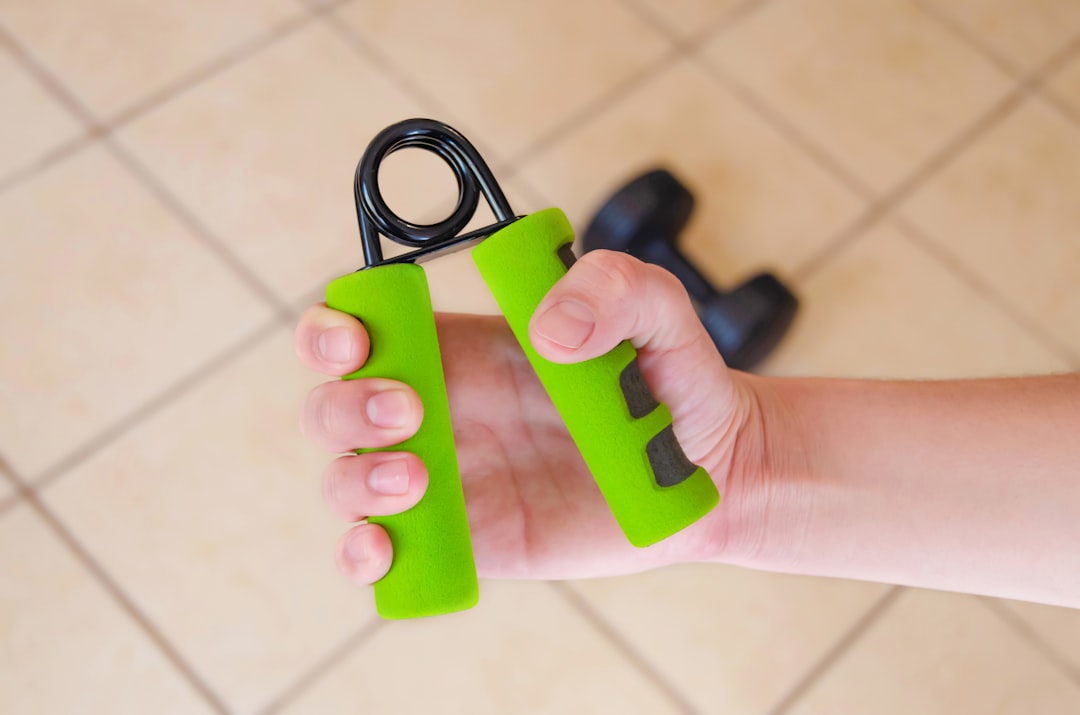
Why Strength Balance Matters
Most people naturally have a stronger dominant hand. That’s normal.
Research suggests a difference of up to about 10 per cent between hands is generally within a healthy range.
Beyond that, the gap may point to something deeper.
Researchers believe larger imbalances may reflect neurological changes, musculoskeletal issues, or uneven physical decline that standard health checks don’t always pick up.
In other words, strength matters. Balance matters too.
How Do You Compare?
An international review of 2.4 million adults across 69 countries provides useful benchmarks.
For men, grip strength typically peaks in the 30s at around 50kg, then gradually declines to around 35 to 40kg by the 70s.
For women, peak grip strength is usually around 30kg, dropping to roughly 20 to 25kg in the 70s.
Most people don’t own a dynamometer, and that’s fine.
Your daily life can offer clues.
If opening jars feels harder than it used to, carrying shopping bags leaves your hands fatigued quickly, or you find yourself losing grip more often on wet or heavy objects, it may be worth paying attention.
Activities That Naturally Build Grip Strength
The good news is you do not need a dedicated hand-strengthening routine.
Grip improves through movement, especially activities that involve holding, carrying, pulling, hanging, or swinging.
Racquet sports
Tennis, badminton, squash, and table tennis all challenge grip endurance. Every shot requires constant adjustment in pressure and control, building forearm strength over time. Find tennis near you or explore badminton groups.
Hiking and bushwalking
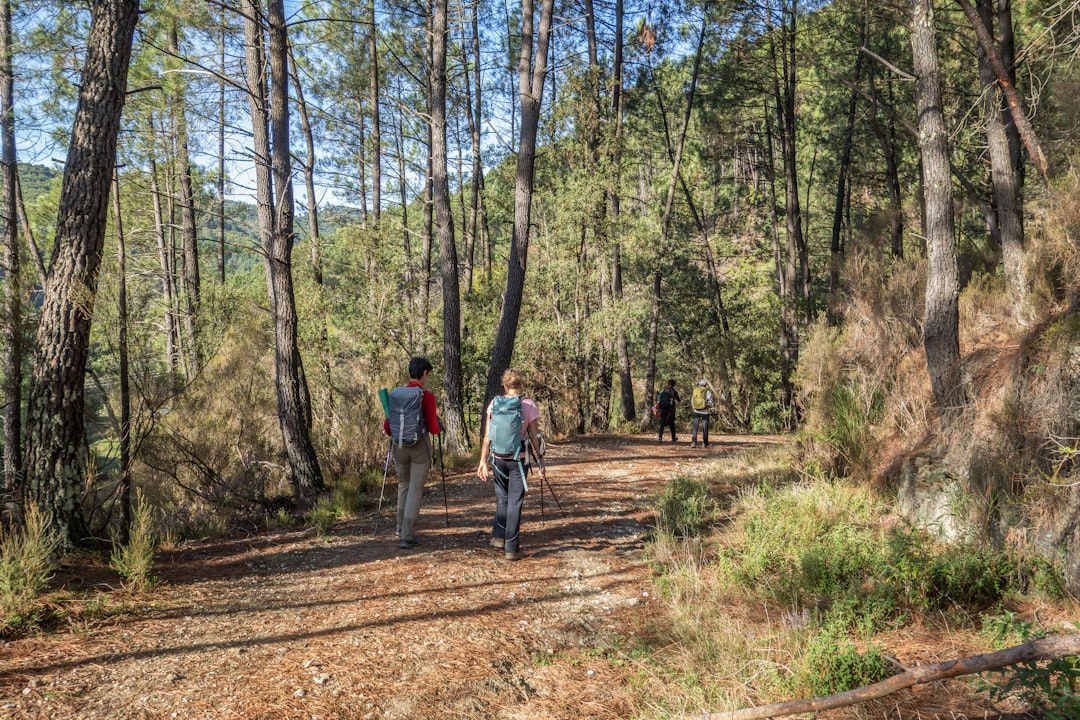
Trekking poles, scrambling sections, and carrying a daypack all place steady demands on your hands and forearms. It adds up over time. Explore hiking groups near you.
Gardening
Digging, pruning, raking, and pulling all work the hands in different ways. It’s practical, accessible, and surprisingly effective.
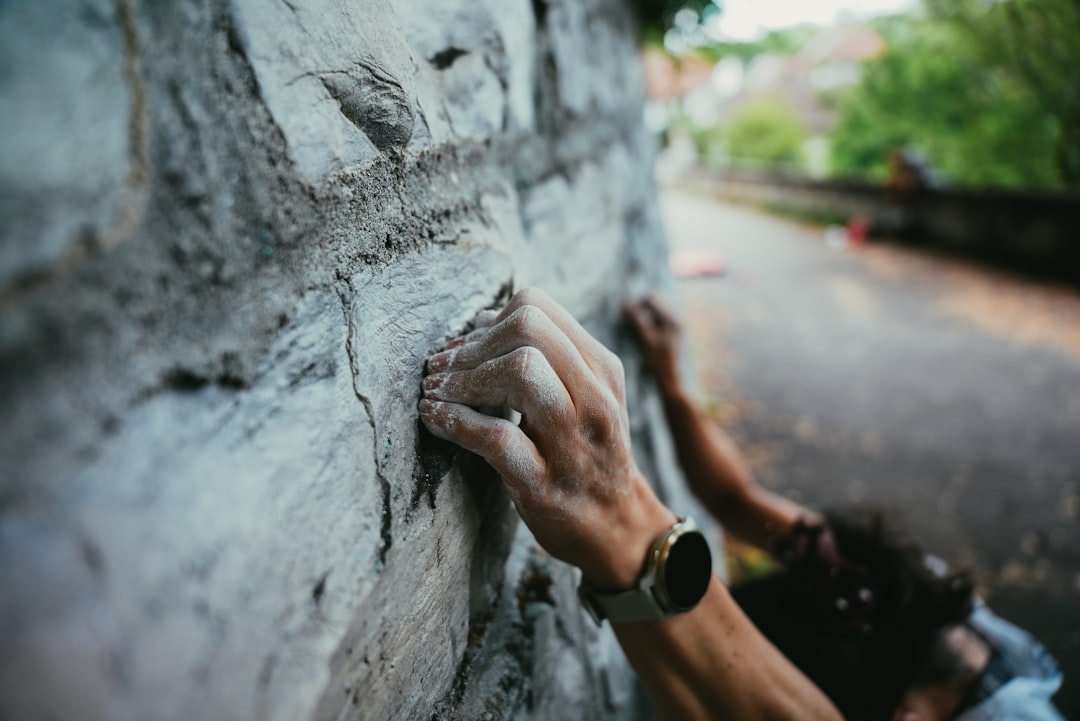
Rock climbing and bouldering
Few activities challenge grip as directly as climbing. Even beginner indoor sessions can provide a serious workout for your hands and forearms.
Carrying loads
Carrying shopping bags, buckets, or other manageable loads helps build both strength and left-right balance, especially when the weight is evenly distributed.
Resistance training
Deadlifts, rows, pull-ups, and farmer’s carries all place heavy demands on grip. If you already do resistance training, your grip is likely improving alongside it. Find fitness training near you.

A Small Test With Big Insight
Grip strength is not a replacement for a full health check. It won’t tell the whole story.
But as a simple physical marker, it has one of the strongest evidence bases in healthy ageing research.
Across countries, age groups, and large population studies, stronger grip is consistently associated with better health outcomes. Research has also linked it to cancer survival outcomes.
The encouraging part is that grip strength is highly responsive to activity.
Use your hands more. Carry things. Play sport. Climb. Garden. Lift.
It all counts.
And if you’ve been looking for a practical reason to get moving, this might be one of the simplest: better grip strength is not just about stronger hands. It may be one of the clearest signals of how well your body is ageing.