
The World Cup changed everything
If you watched the Matildas light up stadium screens in 2023, you probably noticed what happened next. Your local football club suddenly had a waiting list for women’s teams. The park on Saturday mornings filled with girls in boots. Your colleague mentioned she’d signed up for social futsal.
That shift wasn’t a passing wave — it stuck. Women’s and girls’ football participation in Australia has surged to 231,435 players across outdoor football, futsal, and social formats. Football Australia calls it sustained demand, but anyone who’s tried to register for a women’s team in the past two years knows what it actually feels like: crowded sign-up nights and new teams forming faster than clubs can find pitch space.
Whether you’re a woman who played as a kid and drifted away, or someone who’s never kicked a ball competitively, here’s what the current football landscape looks like and how to find your way in.
What the numbers actually show
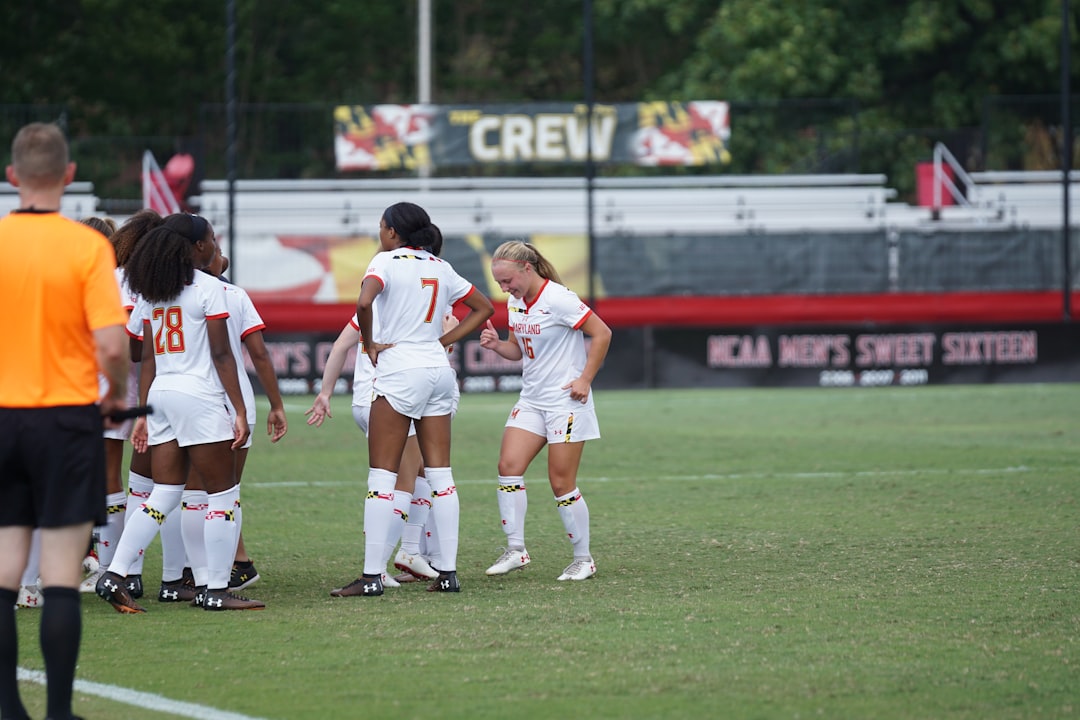
Football is Australia’s most participated team sport — full stop. The 2025 participation census from Football Australia confirmed the growth isn’t slowing down, particularly among women and girls. That 231,435 figure spans everything from elite pathways to park kick-arounds, but the real story is in community football: over 3,300 clubs nationwide now offer women’s programs.
The growth hasn’t been evenly distributed. Clubs in suburban growth corridors — think outer Melbourne, Western Sydney, South East Queensland — are under the most pressure. Demand for women’s teams frequently outstrips available coaching staff and pitch allocations. It’s a good problem to have, but it means some areas have genuine capacity constraints at the community level.
Why this wave is different from previous ones
Australian women’s sport has had breakthrough moments before — the Diamonds winning World Cups, the Hockeyroos in Sydney 2000, the AFLW launch. Each sparked interest. What makes the Matildas effect different is the sustained infrastructure that followed.
Football Australia invested in improved pathways connecting grassroots programs to state leagues and national squads. Social football formats — shorter games, mixed-gender options, no commitment beyond showing up — gave beginners a less intimidating entry point than traditional 11-a-side competition. And with the AFC Women’s Asian Cup on home soil strengthening the connection between grassroots participation and the elite game, the visibility loop keeps reinforcing itself.
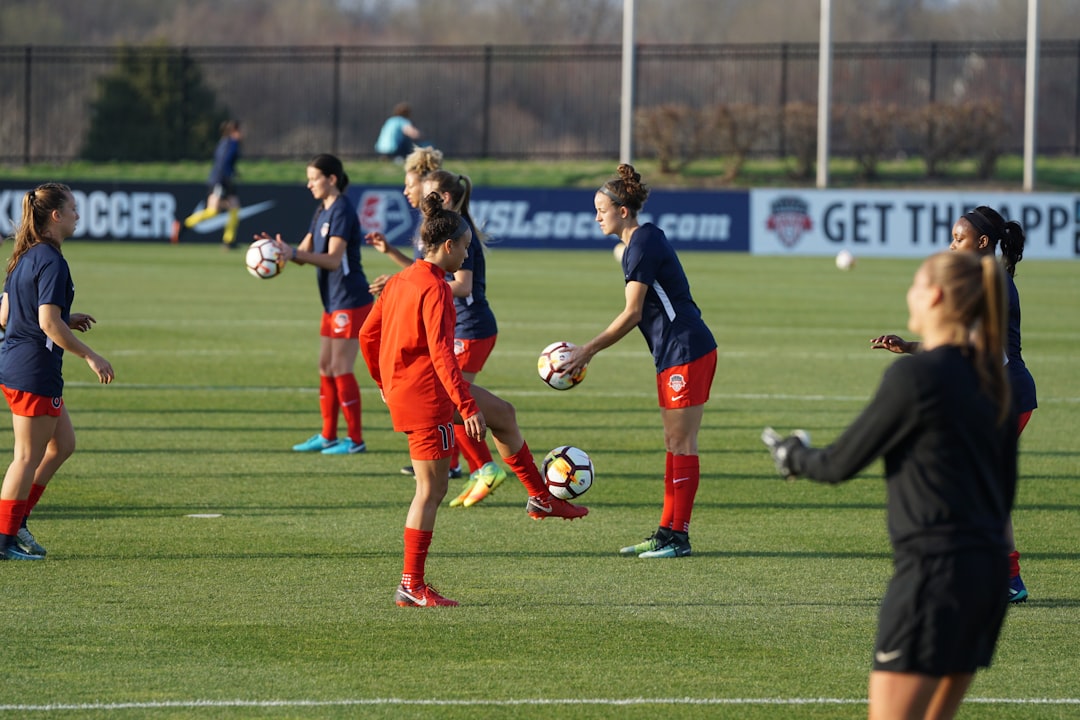
Put simply: girls who watched Sam Kerr in 2023 now have somewhere local to play. Women who felt inspired have formats designed for their schedule and skill level.
Starting football as an adult (what to actually expect)
The biggest barrier isn’t fitness or skill — it’s walking into something unfamiliar alone. Here’s the reality of what adult beginner football looks like in Australia right now.
Social football and futsal: Most programs run for 6–8 weeks with shorter game formats (5-a-side or 7-a-side). Teams are often formed on the night, so you don’t need to arrive with a squad. Futsal (indoor, smaller ball) is particularly popular for beginners because the smaller pitch means less running and more ball contact.
Women’s-only programs: Many clubs now run dedicated women’s beginner sessions separate from competitive squads. These typically start in February–March ahead of the winter season (April–September) and focus on basics: passing, positioning, game sense. No previous experience assumed.
What you’ll need: Boots (moulded studs, not blades — around $60–$120 for a decent entry pair), shin pads ($15–$30), and a water bottle. Most social leagues provide bibs and balls. Registration for community football typically runs $150–$400 per season depending on your state and competition level.
Fitness expectations: Social formats are self-pacing. You’ll be out of breath, but so will everyone else. The fittest person on the pitch isn’t necessarily the best player — positioning and anticipation matter more than raw speed at community level.
How to find a club or league near you
Your options depend on what you’re after:
- Competitive winter league: Contact your state federation (Football NSW, Football Victoria, Football Queensland, etc.) for club directories. Registration opens January–February for an April start.
- Social or casual formats: Search for football and soccer groups on KeepActive to find local social leagues, futsal competitions, and women’s programs near you.
- Come-and-try days: Most clubs run open sessions in February and March. Check your local club’s social media or website — these are free and no-commitment.
If you’re in a major city, you’ll likely have multiple options within 15 minutes’ drive. Regional areas may have fewer clubs but often have stronger community bonds and are actively recruiting to fill teams.
The World Cup that keeps giving
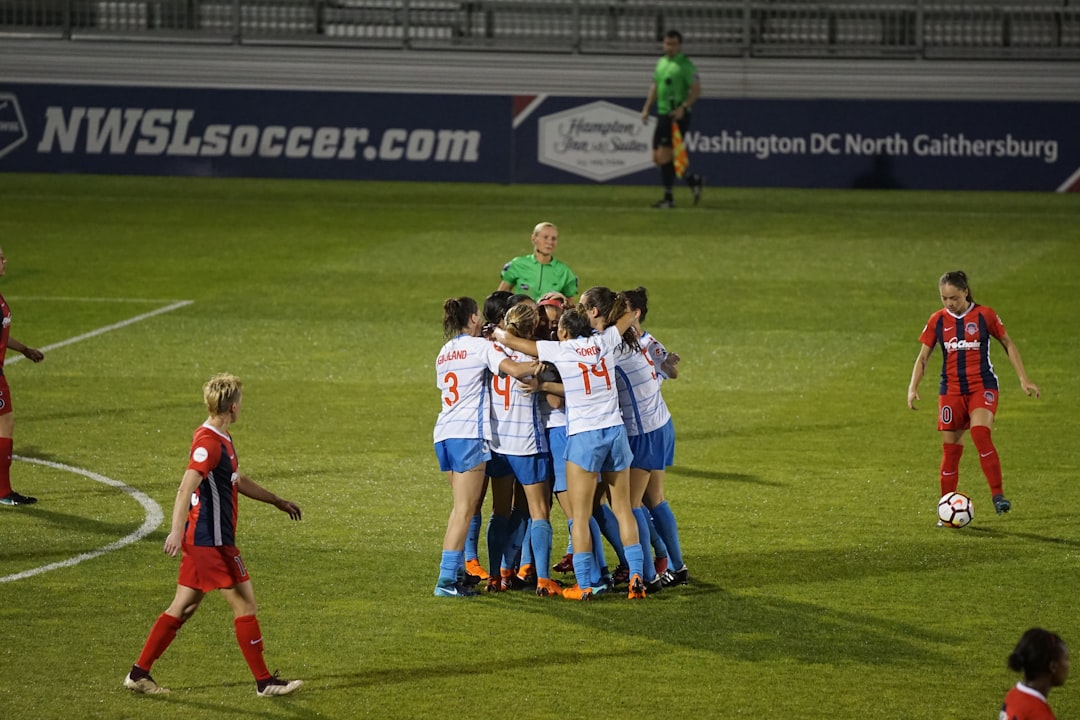
The 2026 FIFA World Cup (men’s, with the Socceroos competing in the US, Canada, and Mexico) will put football back on every screen in the country this northern summer. And with the AFC Women’s Asian Cup being hosted in Australia, the cycle of visibility and participation will intensify again.
But you don’t need to wait for a tournament to start. Winter season registrations are open now across most states, and social football runs year-round in many areas. The clubs are ready. The teams are forming. The only question is whether you’ll be watching the next wave from the couch or from the pitch.
Related reading
- The benefits of social sport — why team activity does more than just fitness
- Sport participation trends in 2025 — how Australians are choosing to stay active