
Whether you’re cheering on your kids, having a crack at weekend tennis, or trying to get back into a routine, most of us know that staying active isn’t always straightforward. The latest Australian Sports Commission (ASC) report, AusPlay: Lifelong Involvement in Sport (2025), reveals how Australians participate in sport and physical activity at every stage of life.
This “lifelong involvement” lens recognises that sport isn’t just about playing. It includes coaches, officials, volunteers and supporters who keep community sport thriving—forming a complete ecosystem that supports active lives across the country.
The Crucial Drop-Off Years
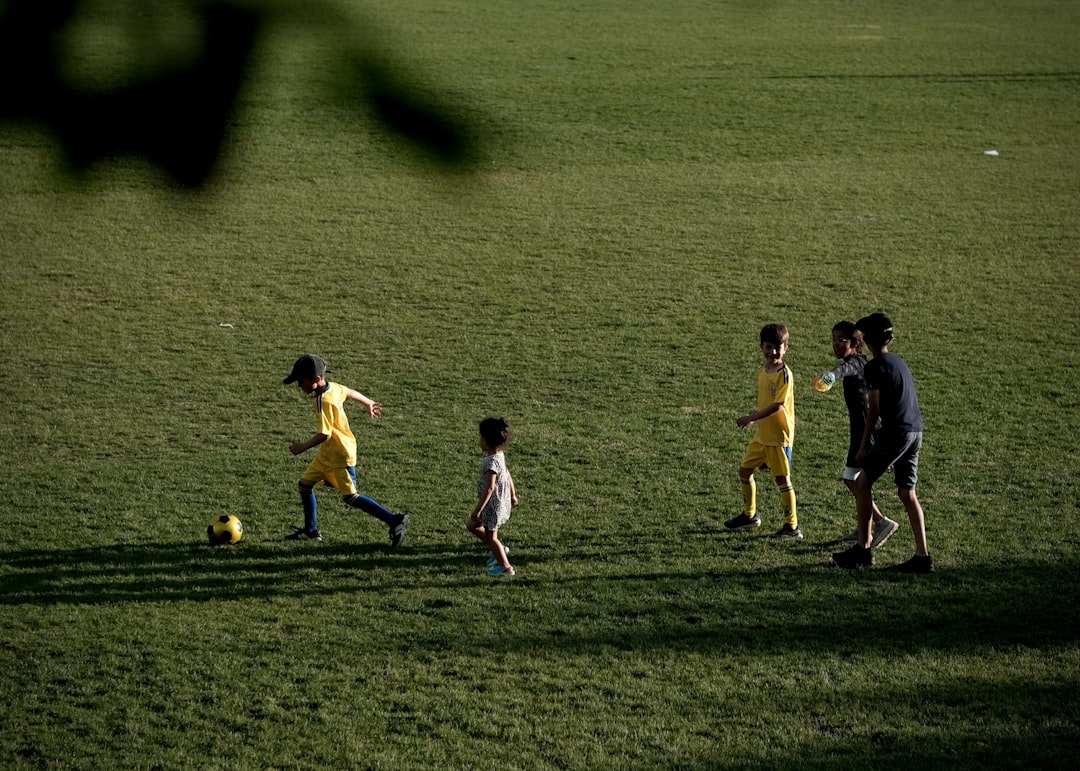
Children are consistently the most active age group in organised sport, with participation peaking during the late primary years. But as teens move into high school, the picture shifts dramatically.
According to the ASC’s youth participation summary “Youth – 15–17 years”, organised sport participation drops quickly during late adolescence. This aligns with findings from broader activity data showing that school pressure, part-time work, social commitments and reduced motivation all contribute to teens stepping away from structured sport.
Monash University’s study on changing participation patterns highlights a national shift away from competitive sport toward informal activity. For teens, this means running groups, casual basketball, skateparks, gym sessions and flexible fitness options often replace formal training and weekend competitions.
Creating more low-pressure, social and drop-in-friendly options can help bridge the gap—especially in the 15–17 age bracket where the steepest disengagement occurs.
How Our Sporting Preferences Evolve
As we age, our activity choices naturally evolve. What we play—and how often we play—changes across life stages.
- Childhood: Kids build fundamental movement skills, with swimming and gymnastics remaining top choices. Swimming continues to be one of Australia’s most popular early-life activities, supported by findings from Swimming Australia’s summary of AusPlay data confirming swimming as the nation’s No.1 sport.
- Teen Years: Team sports dominate—football (soccer), netball, basketball and AFL are common favourites. But data consistently shows a drop in participation during mid-to-late adolescence, suggesting many teens outgrow the structure of traditional competition.
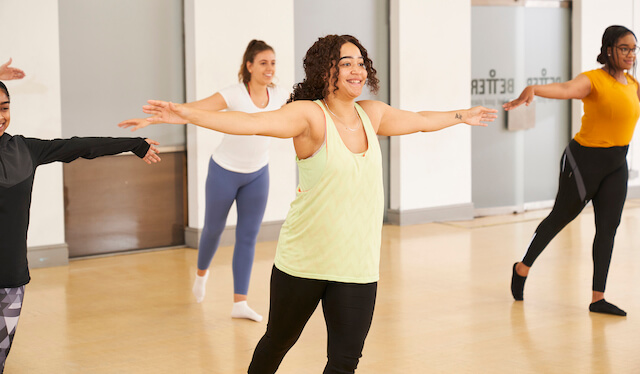
- Adulthood: Once work, parenting or study take priority, adults trend toward flexible activities they can fit around busy schedules. The ASC’s 2025 update reports significant rises in running, walking, strength training and gym-based exercise, which now outpace traditional club-based sport.
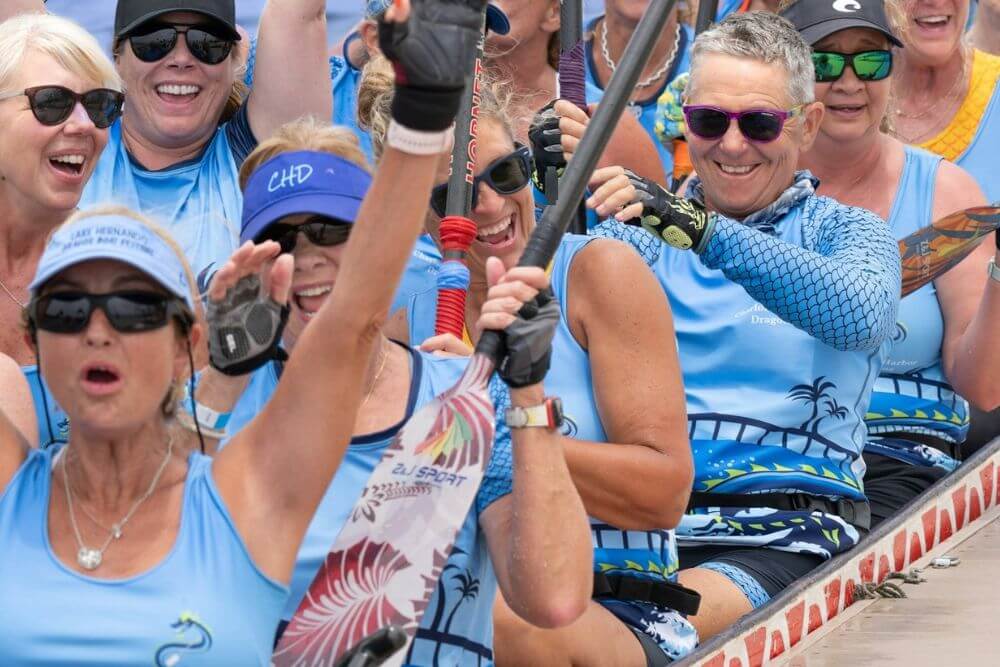
- Later Life: Low-impact, social and sustainable activities—like walking, golf, bowls, tai chi and recreational swimming—become more common. Many older adults favour activities that improve balance, mobility and connection rather than competition.
Across all ages, tennis remains remarkably consistent—one of the few sports that retains participation from childhood through older adulthood.
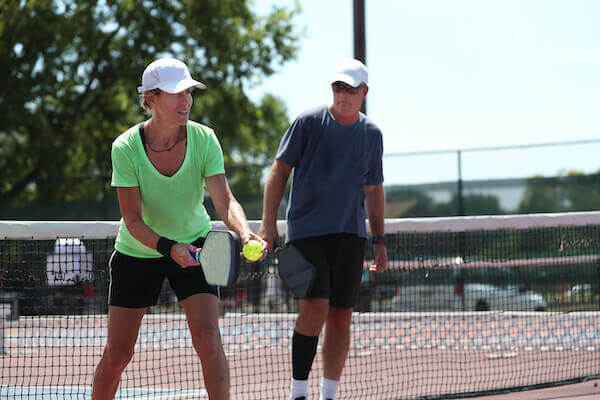
Newer social sports are surging too. Pickleball and padel are rapidly growing, particularly among adults seeking fun, low-impact alternatives to traditional racquet sports. Both are now being picked up by community clubs nationwide as they carve out a strong place in Australia’s sporting landscape.
The Power of Active Parents
One of the strongest findings across multiple ASC reports is the “active parent effect.” When adults participate in physical activity, their children are significantly more likely to play organised sport too.
This reinforces what many families already sense: when parents model active habits—whether through walking, gym sessions, social sport or weekend rides—it creates a powerful ripple effect, shaping children’s confidence and motivation to stay involved.
Behind the Scenes: Volunteers and Coaching
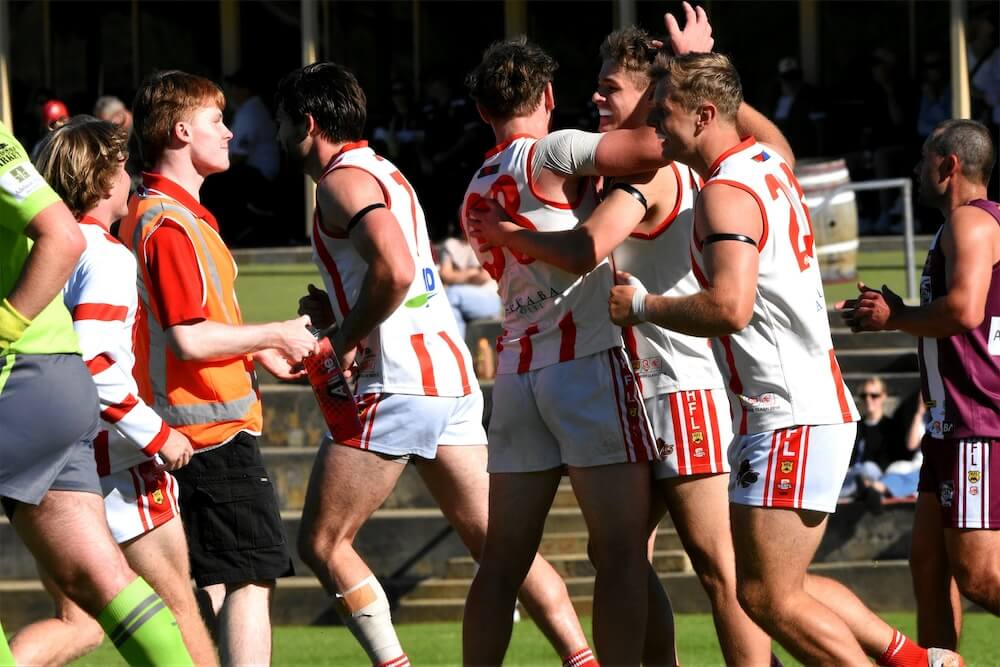
Sport isn’t sustained by players alone—volunteers, coaches, managers, referees and administrators form the backbone of community participation. In fact, the ASC identifies the 35–44 age bracket as the peak volunteering period, often coinciding with parents supporting their children’s activities.
However, community clubs are under increasing strain. The Australian Sports Foundation’s report “Clubs Under Pressure” highlights funding challenges, declining volunteer numbers, ageing committees and rising operational costs. Many clubs report that without stronger volunteer support, they struggle to run competitions or maintain facilities.
Negative sideline behaviour, especially towards umpires and officials, remains a concern in many communities. Creating welcoming, respectful and well-supported environments is essential to retaining volunteers—who are often the most at risk of burnout.
Whether you coach, help in the canteen, do admin or simply show respect for officials, every positive contribution strengthens your local sporting ecosystem.
Where You Fit In
Whether you're trying to support a teenager through the tricky drop-off years, looking for a new activity like pickleball, or wanting to model an active lifestyle for your kids, the message from AusPlay is the same: everyone has a place in sport.
And with more than 600 sports and activities now available across Australia, there’s something for every age, ability and fitness level.
It’s never too late to try something new or reconnect with an old favourite. If you’re ready to get moving, browse local events and community groups to find something happening near you today.